

This Car Color Is The Hardest To Maintain (And For Good Reason)
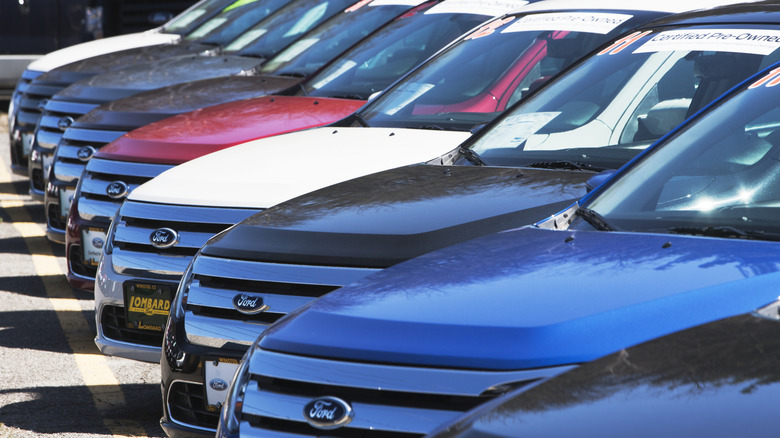
With the number of shade and finish options that many manufacturers offer today, it's easy to customize a new car to your liking. Though some car colors are becoming very rare in 2026, you can be outlandish or conventional. What you've got to consider, though, is that there may be downsides to the color you choose beyond simple aesthetics.
An important one is that some colors can be considerably harder to maintain than others. One of the most challenging culprits, unfortunately, is one of the most common colors of all: black. It's a stark contrast with the lighter debris that your paintwork will tend to attract, meaning that it'll often look very dirty very quickly.
In May 2026, Kelley Blue Book published its annual overview of the most popular car colors. The data, gathered by BASF's 2025 Global Color Report, shares the popularity of different car colors as a percentage. As a share of both preferences in the Americas and a global overview, black was the second-most popular option. 20% of car owners in the Americas opted for a black model (only white was more popular at 28%), while in the global report, 23% of new vehicles were black, with white, again, topping the charts with a huge 38% market share.
It's easy to see why the color is so popular, with a timeless, stylish appeal and a neutrality that perfectly suits a range of different vehicles. Let's dig a little deeper into why black vehicles can be so difficult to maintain, and some alternative options that may suit your needs better.
The difficulty of cleaning a black car
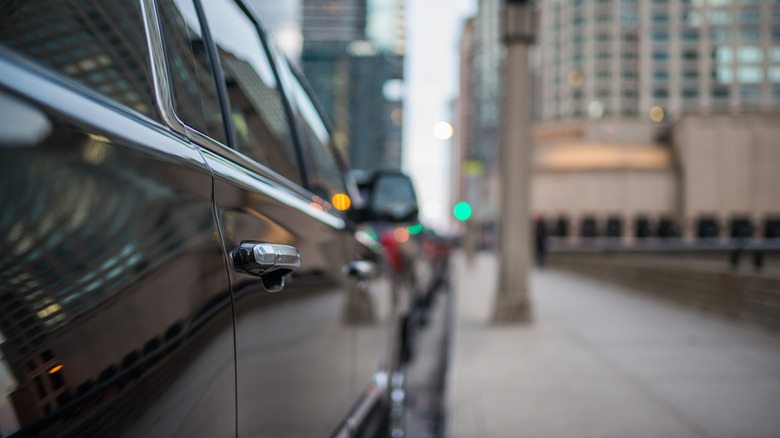
Because a lot of dust and dirt tends to be a lighter, sandy shade, it will be immediately visible on your black paintwork. The primary issue is the fact that it's a contrasting color, which means that all those pesky things that contrast with it, like dust, light scratches and so on, can be painfully visible. Like a brand-new pair of glasses fresh out of the case, it looks flawless just for a brief moment, before inevitably attracting different kinds of dirt.
Let's say you want your black vehicle with its ceramic-coated finish to be perfect all the time. It's quite a time commitment, but one that can absolutely pay off if you're dedicated to the cause. Alternatively, if you simply have a preference for a black finish on your vehicle and you don't mind that it'll inevitably get a little dirty as you drive, you can go right ahead and enjoy it as you please.
There's no denying, though, that the most fastidious among car maintainers will tend to have a lot of thorough cleaning work on their hands. Because of this, it's important to consider the roads you tend to take. If you live in an area with a high pollen count, where a lot of trees may shed, or you do a lot of off-road driving, you'll probably find your black vehicle looks distinctly worse for wear afterwards. Luckily, there are proven methods for removing imperfections like scratches from black cars.
Colors that may be a little easier to maintain
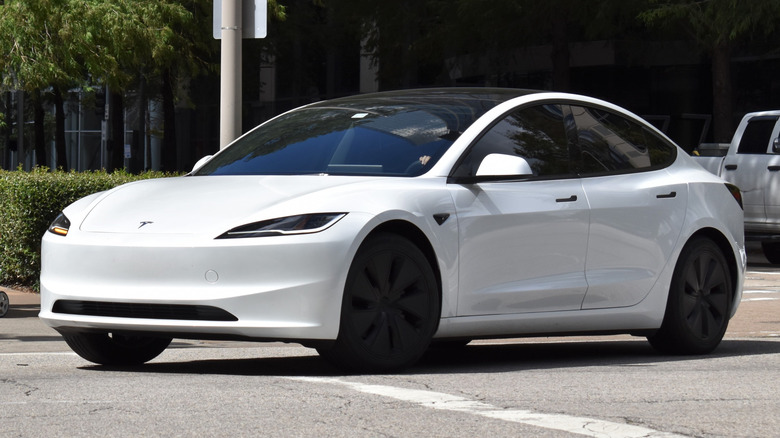
A black-bodied vehicle, while a popular choice, won't be for everyone. They can be extremely demanding to keep at their best. Quite understandably, then, many would prefer a lower-maintenance color for their vehicle. As we've seen, white is the only color more popular according to Kelley Blue Book and the BASF 2025 Global Color Report, and the two have completely opposing qualities.
White, though it has a tendency to show up a lot of the dirt on areas like floors, furnishings, and clothing, is a more low-key and low maintenance color for a car's body. This is because, while black absorbs light and has an intense contrast with lighter-colored dirt, white instead reflects light. As such, it's much harder to see smaller imperfections like minor scratches or smears from imperfect washing or polishing. Needless to say, though, there are pros and cons to each color choice and neither is necessarily better than another in terms of keeping dirt at bay. Being a far darker color, of course, black can help conceal some darker mud and other splashes that would be glaringly obvious on a bright white vehicle.
At the same time, of course, drivers needn't always opt for one extreme or the other. Whether simply because of color preferences or for practical purposes, you might want to choose a color from the lighter or darker spectrum in between. Gray and silver, for instance, are both extremely popular colors for new vehicles, and are similarly neutral options.