

Pool Pump Safety Risks: 5 Common Problems To Watch Out For This Summer

Summer is finally here, and for millions of homeowners across the country, that means it is pool season. But while you are focused on keeping the water crystal clear and stocking up on sunscreen, you should also be paying attention to the pump running in the background. Your pool pump is the heart of the entire pool system. It pulls water from the pool, pushes it through the filter and chlorinator, and sends it back clean. Without it, the water in your pool can quickly become stagnant, cloudy, and more prone to algae growth.
Because the pump is usually tucked out of the way, it often goes unnoticed until something goes wrong. By that point, the issue may already be more serious than a noisy motor or weak water flow. A poorly maintained pool pump system can create serious safety risks, from electrical hazards and overheating to dangerous suction at the drain. If a drain cover is loose, broken, or missing, that suction can become strong enough to trap even an adult underwater.
So, before you flip open the pool cover and start inviting people over, it is worth taking a few minutes to understand what can go wrong with your pool pump and the warning signs you should not ignore. In this article, we will walk through the most common pool pump safety risks and what you can do to help keep your pool safe this season.
1. Electrical hazards around the pump
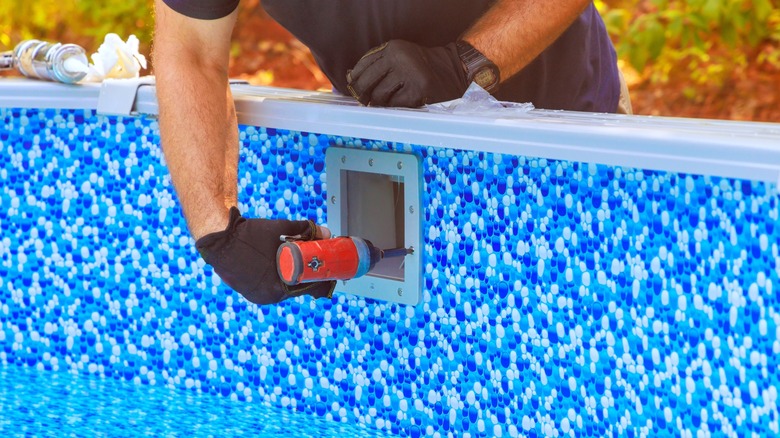
Water and electricity are a dangerous mix, so ignoring a faulty pool pump is easily at the top of the list of electrical mistakes you want to avoid making at home. To understand why, it helps to know the basics of your pump's electrical system. It consists of a motor, a capacitor, wiring, a circuit breaker, and a ground-fault circuit interrupter (GFCI). Now, the motor drives water through the filtration system, while the capacitor helps start and run it efficiently. The wiring supplies power, and the circuit breaker and GFCI provide protection by cutting off electricity if something goes wrong. Each one of these components plays an important role, and a failure in any one of them can mean bad news.
The most common place things go wrong is the wiring. Pool pump wiring takes a beating over time due to exposure to sun, moisture, and fluctuating temperatures. This causes wires to fray, corrode, or loosen at connection points. Another issue that points directly to electrical trouble is a pump that keeps tripping the circuit breaker. A breaker trips when it detects more current than the circuit can safely handle, so if yours is tripping repeatedly, something is drawing too much power. The cause could be a short circuit, a failing motor, or an overloaded electrical panel.
Fortunately, electrical problems often give you some warning before they become dangerous. If the pump will not start, or keeps cutting out mid-cycle, or gives off a burning smell near it, or shows signs of damaged wiring, stop using it and have it inspected by a qualified electrician. Do not keep resetting the breaker and hoping it holds. Until the issue is fixed, it is safer to keep people out of the water.
2. Overheating and motor burnout
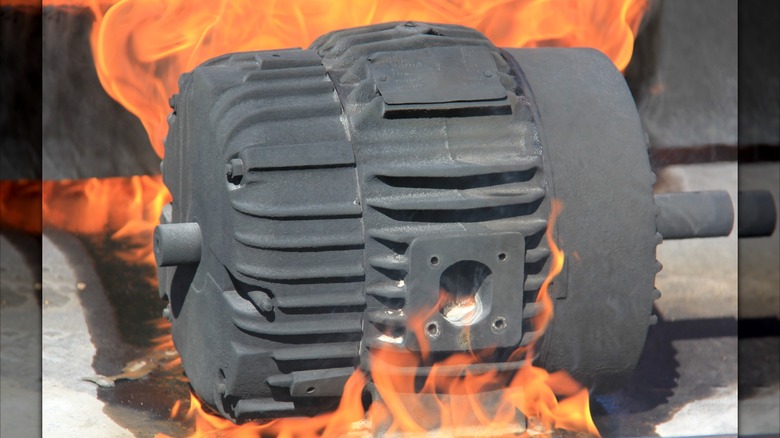
Pool pumps generate heat during normal operation, especially when they run for long stretches in hot weather. But just like a car engine can overheat, a pool pump can also run too hot. When the heat is normal, you should still be able to touch the pump briefly without burning your skin. If you can't, that is a telltale sign something's wrong. One reason this happens is poor ventilation. Pool pump motors need airflow to dissipate heat, so if the pump is installed in a tight corner, surrounded by clutter, or covered in debris, it may struggle to cool itself.
Another possible cause is internal friction. Bearings inside the motor help moving parts turn smoothly, but as they wear down or rust, friction increases. That extra friction can generate more heat, and you may even start to notice a squealing, grinding, or rattling sound as a result. A clogged pump basket, a dirty filter, a closed valve, or a low pool water level can also force the motor to work harder than it should.
Many pool pumps have thermal overload protection that shuts the motor off when it gets too hot, which often causes the pump to cycle off and restart on its own. However, if the pump keeps running hot, that component could burn out. That often leads to the pump cycling off and restarting on its own. That's why, for starters, you should try to keep the area around the pump clear, make sure the vents are not blocked, clean the pump basket regularly, check that valves are open, and keep the pool water level where it should be. If the pump makes unusual noises, emits a burning smell, or shuts off repeatedly, turn it off and have it inspected by a professional.
3. Suction entrapment
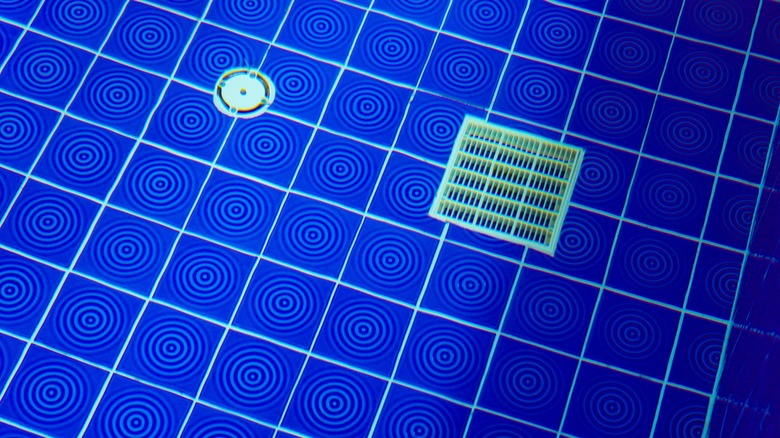
Suction entrapment may sound like a freak accident, but it is a serious, well-documented pool safety hazard. It happens when a person becomes trapped against a pool drain by the suction created as the pump pulls water from the pool. If an arm, leg, long hair, jewelry, or swimsuit blocks the suction fitting, the force of water can become strong enough to hold the person in place. When that happens, it can be extremely difficult for an adult to break free, let alone a child.
One of the most common reasons this becomes dangerous is cover failure. Drain covers can wear down over time, loosen, crack, or go missing entirely. Once that happens, the suction outlet is no longer properly protected. Older flat-style drain covers can also be more concerning because a swimmer may be able to form a seal directly over them. Modern anti-entrapment covers are designed to reduce that risk.
That is why, at the start of every pool season, it is advisable to check your drain covers for cracks, loose screws, missing parts, or anything that looks out of place, especially after a major chemical treatment. If the cover is loose, broken, missing, or has been in use longer than the manufacturer recommends, keep swimmers out of the water and have it inspected or replaced. And if the drain covers in your pool have never been inspected or upgraded, this summer is the right time to have that conversation with a pool professional. You might also want to ask about a safety vacuum release system, which automatically shuts off the pump or breaks the vacuum if it detects a blockage, instantly freeing the trapped person.
4. Air leaks and cavitation
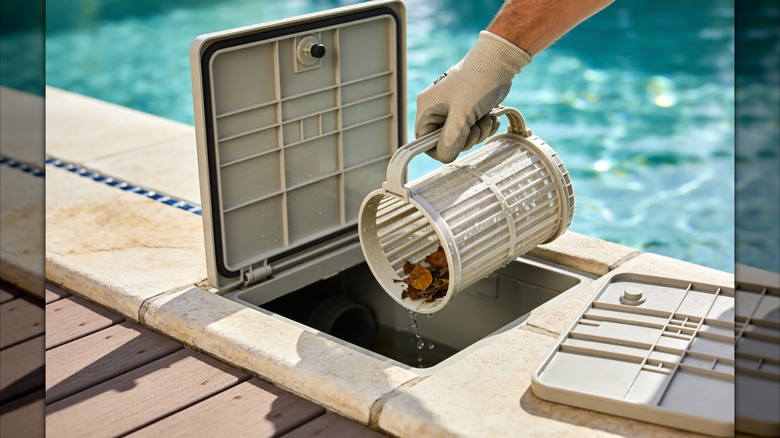
A pool pump needs a completely sealed, water-filled system to function properly. The moment air gets into that system, things start to go wrong. An air leak occurs when air enters the system on the suction side, meaning anywhere between the pool and the pump. When this happens, the pump can no longer maintain consistent pressure, circulation weakens, and it has to work harder than it should just to keep up. One of the clearest signs of an air leak is the pump basket. Under normal conditions, a properly sealed pump basket should always be full of water. If you look through the clear pump lid and the basket is not full, air is getting into the system somewhere. You may also notice bubbles coming out of the return jets, weak or fluctuating water pressure at the jets, or a gurgling noise from the pump. Any one of these signs is worth taking seriously.
When air enters the system in large quantities, the result is cavitation. This happens when the pump starts drawing in a mixture of air bubbles and water rather than a solid column of water. The impeller, which is built to move liquid, ends up churning through air pockets instead. This creates a rapid cycle of pressure changes inside the pump housing that can cause physical damage. Over time, cavitation wears the impeller down far faster than normal operation ever would.
If you spot signs of air leaks, there are some simple fixes you can handle yourself, such as tightening a loose pump lid or lubricating a dried-out O-ring, which can solve the problem quickly. But if the leak is coming from cracked plumbing, a faulty valve, or a damaged connection, you must get a professional to do a proper repair.
5. Pool system explosions

If you're wondering how a pool pump system can explode, remember that the entire system operates under serious pressure. That pressure is carefully managed by multiple components working together, and the system stays safe as long as each component does its job. But when one fails, the consequences can be severe.
Take filter clamps, for example. These clamps hold the two halves of the filter housing together and maintain the pressure seal that keeps the system intact. Over time, constant exposure to heat and pool chemicals weakens them. When a clamp gives way under pressure, the two halves of the filter can blow apart with considerable force. A defective pressure release valve is another serious risk. The pressure release valve is built to let excess pressure escape before it builds to a dangerous level. Think of it as the filter's built-in safety mechanism. But if that valve is damaged, corroded, or simply defective from the start, it cannot do its job. Pressure continues to build inside the unit, and with nowhere to go, the result can be unfortunate.
The injuries that result from these system explosions are serious enough to change a person's life permanently. We are talking about the kind of injuries that affect someone's ability to work, live independently, and function normally. These are not minor risks. To prevent this, keep up with maintenance, have the pressure components inspected regularly, purchase your pumps from reputable manufacturers, as used ones can be risky, and never ignore signs that something is not right with your pump. A little routine care now is far less costly than what happens when you don't.