

Crushed Concrete Vs. Gravel: Which Is Considered Better For A Driveway?
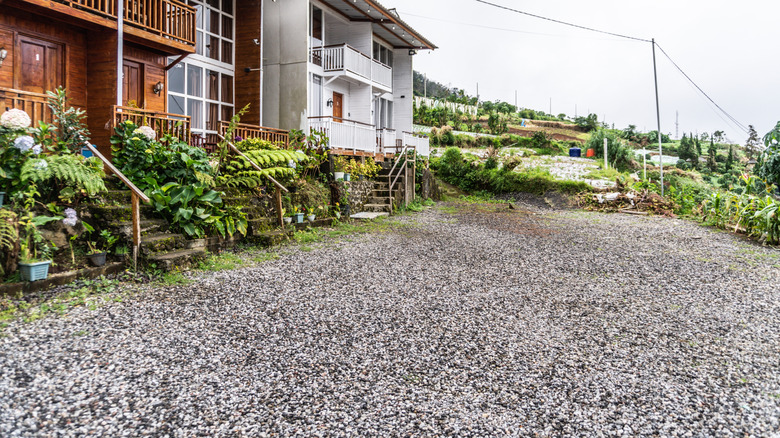
Filling a home driveway is important, not only for improving curb appeal, but also for maintaining a safe and stable surface for your vehicles. It begins with selecting the right material to use, and when it comes to either crushed concrete or gravel, the best option will depend on your specific needs.
Crushed concrete, also known as recycled concrete aggregate (RCA), can be a better option if your main priorities are long-term durability and overall strength. RCA forms a firm layer that can shift under the weight of heavy vehicles to help prevent potholes, a common problem with concrete driveways. Because it's a recycled material, RCA is also considered more eco-friendly, and may not require as much maintenance over time as gravel does. The cost of using RCA can vary based on the supplier you choose, and you could pay anywhere from $10 to $20 per ton or more.
If you're looking for a more natural look, you could go with gravel, as you can typically get different sizes and colors. Gravel may have the least traction for a road surface, but it is considered to be a durable driveway option. However, gravel can be more expensive, depending on where you get it, and it could cost you as much as $40 per ton or more. Plus, gravel can wash away over time, which means you may end up having to refill, which can cost you more money in the long run.
Beyond driveways: Other uses for crushed concrete and gravel
While gravel and crushed concrete can be good driveway solutions, there are some differences when comparing crushed concrete to its traditionally poured form. RCA is typically used as a base layer or sub-base because it compacts tightly, thus providing a stable foundation. It is also used as a more cost-effective option versus newly produced materials in construction projects.
However, RCA is not commonly used for load-bearing surfaces. Unlike driveways made with RCA, concrete driveways are poured as a solid slab that cures into a continuous surface. It's designed to be long-lasting and stable, and it can consistently handle heavy loads over time, perhaps even longer than RCA. If properly maintained, concrete driveways can last anywhere from 20 to 30 years.
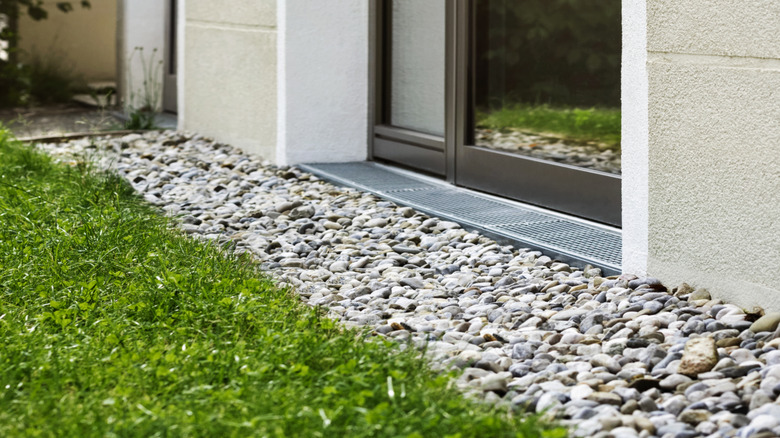
Similar to RCA, gravel is used in construction as a base material, mostly for roads and pavements. It's also an important component in foundations, as well as concrete mixes. But beyond its ability to provide structural support, gravel naturally allows water drainage, making it ideal for landscaping. Different types of gravel are used for garden walkways, pathways, and in projects that need both drainage and visual appeal.