

Flock Camera Controversy: The Type Of Data Collected (And Why It's A Problem)
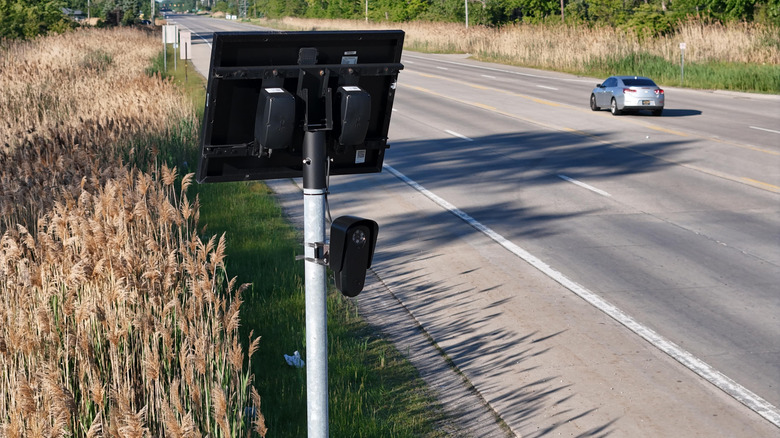
Once you learn how to spot a Flock Safety camera, you start seeing them everywhere. There are over 80,000 such AI-powered automated license plate recognition (ALPR) devices across the US today, collectively scanning tens of billions of plates every month. Beyond your license plate numbers, Flock Safety cameras also capture your vehicle's make and model, color, and any visible distinguishing features, such as trailers, toolboxes, bumper stickers, or bike racks.
Police departments, neighborhood HOAs, businesses, and private property owners can all subscribe annually to lease Flock cameras and software. And while Flock insists the system is merely a vehicle-identification tool, that doesn't make it any easier to stomach their existence. It's hard not to feel unsettled by them... and that's before you get into any one of the many controversies surrounding these devices.
These aren't like CCTV cameras. They aren't the same as traffic light cameras, either. According to Flock, the cameras can only document what's already visible from public roads. They don't collect any facial recognition data or other biometric info from you. Instead, Flock says its cameras are simply meant to help generate investigative leads, without using any personal information beyond a person's "vehicle fingerprint." The company also says any collected data is automatically deleted after 30 days (unless local laws require a different retention period). Still, no matter what Flock says in its PR-speak, there's no denying the ways this data can be (and has already been) abused.
Flock Safety data is being misused, and Flock's not doing enough to stop it
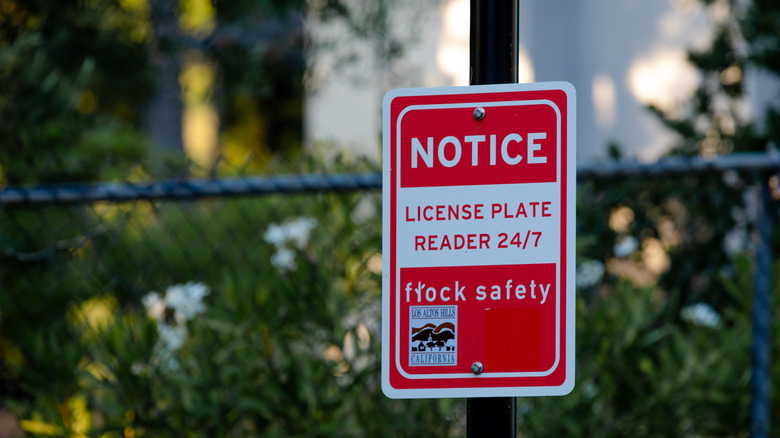
The biggest problem lies in Flock's nationwide database. This massive trove of "vehicle fingerprints" allows law enforcement agencies to search vehicle records collected nationwide. Thanks to Flock, those with access can effectively create a detailed record of where people travel and when. And by expanding access beyond law enforcement to private-sector organizations, Flock cameras create new opportunities for watch lists, blacklists, and broader forms of monitoring outside the law.
Traffic violations are one thing. But in recent years, this Flock camera information has also been used to assist in immigration enforcement, track abortion-related cases, and even stalk innocent civilians. Nevertheless, Flock takes something of a hands-off approach to its data (and its misuse). Per Flock's site, "the customer owns the data, decides whether to share it, and can manage access based on its own policies and needs." All things considered, it feels like they're playing dumb about what's really going on.
At this point, it hardly matters whether the cameras collect facial recognition data. Vehicle information can clearly be just as invasive. Through it all, Flock continually tries to argue its data isn't what it obviously is: de facto mass surveillance. Flock is both denying culpability and doing next to nothing to stop the data from being misused. That should concern every American, not just those behind the wheel.