

OpenAI Claims Fake Social Media Accounts Make Americans Hate Data Centers

OpenAI has revealed details of fake social media campaigns designed to spread disinformation about data center projects, among others. The company says that as a result of the findings, some China-linked ChatGPT accounts have been banned.
Investigators identified two "clusters" of ChatGPT accounts that they believed originated in China and accessed the platform through a firewall to circumvent ChatGPT restrictions in the country. One of these clusters is referred to by OpenAI as Data Center Bandwagon. This group used ChatGPT to create social media posts claiming that domestic electricity prices in the US were rising due to demand from AI data centers. As well as this disinformation campaign, this group also used social media posts to target overseas Chinese dissidents. This content targeted dissidents like Li Ying (often called Teacher Li), which added to the evidence that the cluster was Chinese-based.
The second cluster of accounts changed the narrative from data centers to "technology and tariffs". This cluster posted on suspected fake X accounts and concentrated on the US/China technological competition. The accounts used English language posts and cartoons to spread misinformation about tariffs, AI, and rare earths. The "bad actors" also created posts claiming that America is seeking global technological dominance. This group also posted Chinese-language posts that attacked the US, Israel, and Chinese dissidents.
As noted by OpenAI in its June 2026 threat report, there is a certain irony in this: American AI models are creating content that attacks American AI infrastructure.
How the data center disinformation campaign worked
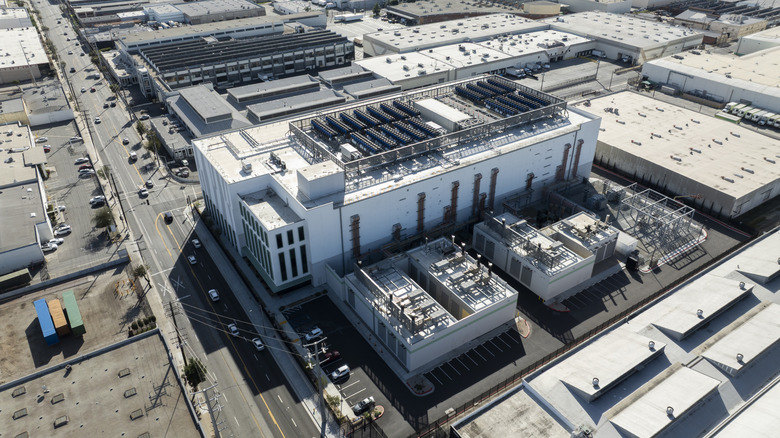
Data centers in the US already have a bad rap, a point underscored by a recent Gallup poll finding that more Americans would oppose building a data center near them than a nuclear power plant.
It's perhaps just as well, then, that the OpenAI investigation concluded the fake Chinese campaigns gained little traction. According to the company, the campaign ranked as a Category One on the Breakout Scale. The Breakout Scale is a method of measuring the effectiveness of disinformation campaigns. Category One is the least effective and refers to campaigns that remained isolated on a single platform. Indeed, OpenAI reported that most of the posts on X received little or no engagement.
As an example of the type of content the fake accounts produced, the company cites a set of cartoons generated by the ChatGPT platform. These were based on genuine reporting from a regional newspaper and covered a power grid operator's auction prices and how rising demand from data centers was driving electricity prices up for domestic customers. These cartoons were posted on suspected fake X accounts and used genuine links to actual news stories to add substance to the claims.
Other tactics included using ChatGPT to doctor existing marketing images to support the narrative that the American public is effectively paying for AI data centers. As a side note on the topic, one American company is launching a scheme that can pay your electricity bill if you put a mini data center in your yard.
Why it matters
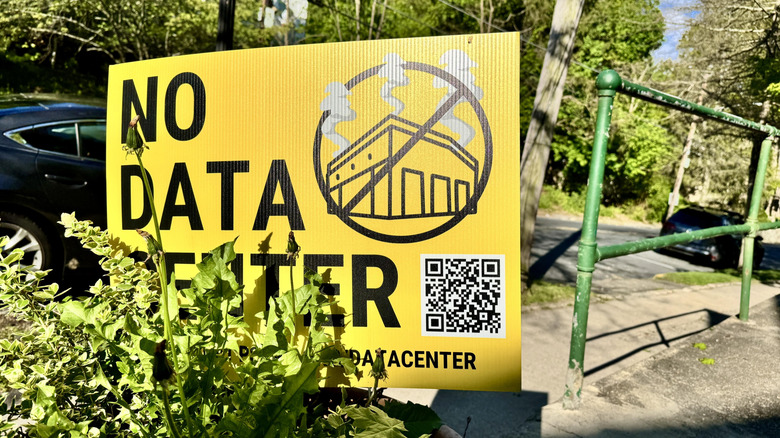
Despite its "Category One" ranking, the company still flags the campaign as strategically important. OpenAI argues that the bigger picture is what the campaign illustrates about ongoing foreign interference and the narratives they're attempting to push.
In its report, the company states that, "Both clusters attempted to connect US technology policies and industries to everyday economic anxieties and geopolitical instability." In other words, these posts are designed to sow mistrust among the broader American public — mistrust that targets US institutions, technology companies, and the government.
OpenAI claims this is the first time it has seen such action against AI data centers by Chinese-linked accounts. It also stated that the accounts used in the "Data Center Bandwagon" cartoons were linked to a Chinese Government contractor.
However, although it's the first time OpenAI has detected such disinformation claims, it isn't the first instance of Chinese misuse of the platform. In another reported case earlier in 2026, the company suspended the account of a user linked to Chinese law enforcement agencies. The account was being used to attempt a covert influence operation against the Japanese Prime Minister, but the safeguards built into the ChatGPT model prevented it from proceeding.
The data center campaign may have had little direct effect, but it does demonstrate the double-edged sword nature of the technology and how it can be used to heighten tensions in a time when many states are trying hard to delay building AI data centers, and one farmer turned down $15 million to keep an AI data center out of his backyard.