

What Happens If Your Transmission Fails While Driving (And What You Should Do)

Among the many mechanical problems that can befall a motorist while driving, transmission failure is one of the worst. As the complex component that is responsible for transmitting the engine's power to the driving wheels, the transmission must remain in good condition for the ongoing reliability of your vehicle. But bad things can happen, so let's take a closer look at what happens if your transmission fails — and what you can do about it.
There are basically two different types of transmissions, manual and automatic. Manual transmissions need the driver to change gears using a shift lever and a clutch pedal. Automatic transmissions shift by themselves using hydraulic and electronic controls, according to the speed of the car and the driver's demands on it. As for which transmission is better, that really depends on your personal preferences and the driving conditions you will be facing.
Regardless of the type of transmission in your vehicle, if it fails while you're driving, you should immediately pull over to the side of the road and stop, safely away from the flow of traffic if possible. Shift your automatic transmission into Park and apply the parking brake for both manuals and automatics. Turn on your emergency flashers to alert other drivers that you are experiencing a problem. Then call either your roadside service provider or a tow truck, since it may not be possible for the car to go anywhere on its own.
What causes most transmission failures?
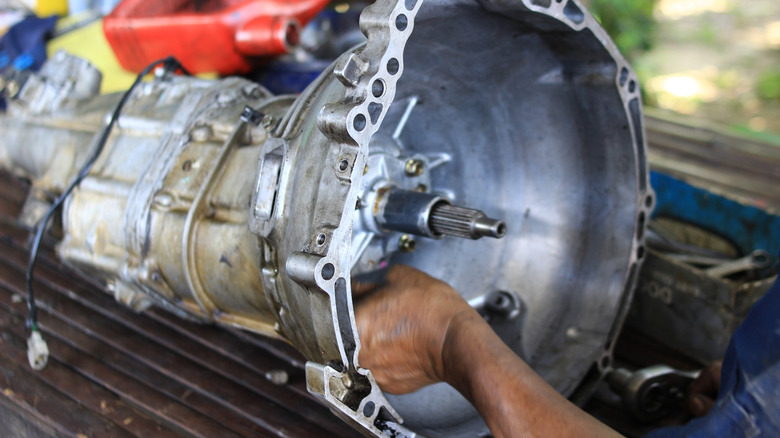
There can be numerous causes for transmission failure, but a major one is leaking transmission fluid. This can happen to manuals and automatics, and there can be serious consequences if a leak goes unnoticed. While many automatic transmissions have a dipstick for checking the actual transmission fluid level, some automatics and manuals do not. If there's no dipstick, and the computer won't notify you of a low fluid level, your mechanic can check this during regular service appointments. Some signs of a leaking or low-fluid automatic transmission include a burning smell, a transmission that slips, missing or delayed shifts, a transmission's inability to stay in gear or even to shift into gear, and noises that sound like roaring, humming, clicking, or buzzing. The Check Engine Light may also illuminate.
Other causes of failing transmissions include engine problems, bad internal parts, bad transmission seals, water entering the transmission, and poor maintenance, which is one of the things you need to stop doing if you drive an automatic car. Manual transmissions can have their own specific issues, which can include grinding noises while you are shifting or the loss of a single gear, as opposed to the entire transmission failing as with an automatic.
The antidote for most issues that could cause a transmission failure while driving is proper maintenance. This typically involves observing the maintenance procedures that are required at regular servicing intervals, including changing the transmission fluid. Deal with any ongoing transmission issues that arise in a timely fashion.
How much does it cost to fix a failed transmission?
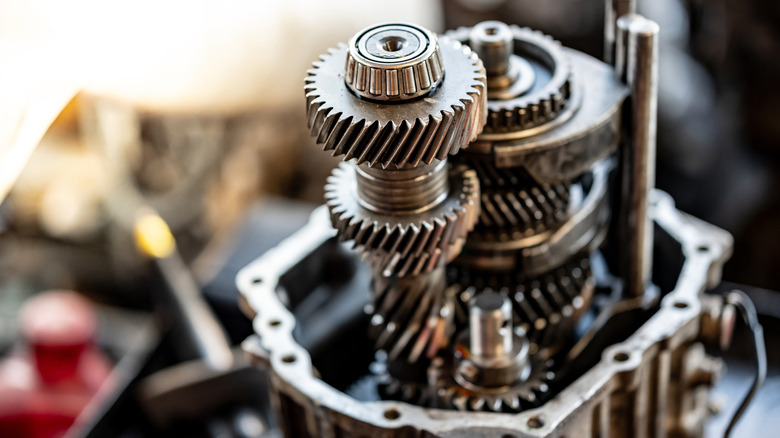
The cost to fix a failed transmission can vary, based on the type of transmission, the brand of the vehicle (luxury brands can be very expensive), whether you're using a new, used, rebuilt, or remanufactured transmission, and whether your mechanic thinks that you can get away with repairs to the transmission's components. According to KBB, the range for manual and automatic transmission repair and replacement runs anywhere from $2,900 to $7,100, depending on all of these factors. Transmission work is likely to be the biggest-ticket item that your mechanic provides, because it involves both a very expensive part and the expensive labor required to remove it, repair it, and reinstall it.
To ensure that you do not have a transmission failure while you are out for a drive, check your transmission fluid regularly (or have it checked for you). Always keep some transmission fluid on hand so that you can keep it topped up as necessary. If it's an automatic, choose the right automatic transmission fluid for your car. Be aware of the other warning signs of transmission issues, including leaking fluid you may notice on the ground, issues that affect how the transmission shifts, strange noises you hear, burning smells from the transmission, and the Check Engine Light coming on. And above all, be sure to maintain your transmission according to the manufacturer's recommendations at the various service intervals. Take care of your transmission and it will take care of you.