

How Much Has The 2021 Tesla Model Y Depreciated In The Last 5 Years?
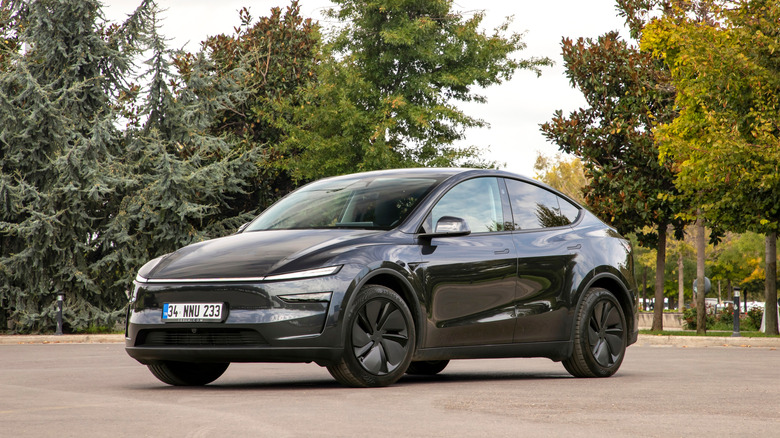
All cars lose value, but few internal combustible engine (ICE) cars lose value as rapidly as some EVs. According to a recent iSeeCars value study, electric cars depreciate close to 30% more compared to an ICE car. However, within that group of cars, some depreciate quicker than others. The worst depreciating EVs lose more than 60% of value over five years, while the very best performers, such as the Tesla Model 3, lose around 54.6% of value.
The Tesla Model Y is often regarded as the more practical, more family-friendly variant of the Model 3. It is a bit more expensive, but it offers you more interior space, visibility, and overall practicality. According to CarEdge, the Model Y has depreciated 61% after five years, while according to KBB's national average fair purchase prices, the 2021 Model Y depreciated by roughly 46% on average across trims over about five years. Finally, iSeeCars deems the 2021 Model Y's five-year depreciation rate to be 58.1%. Overall, across these three metrics, the average five-year Model Y depreciation rate is 55.0%. That's not great, but also not terrible.
Why does Model Y depreciate so much?

The biggest depreciation driver is simple: EVs as a category depreciate faster than the market overall, and the Model Y rides that wave. However, Tesla's own pricing behavior makes things worse.
The brand has cut Model Y prices repeatedly since its 2020 launch. In January 2023 alone, the Long Range Model Y price was lowered to $52,990 – a $13,000 drop. The Performance trim fell a similar amount to $56,990. A little over a year later, in April 2024, Tesla erased a further $2,000 off the entire model range (except the Cybertruck) at the same time. Every cut to a new car's sticker price drags the resale value of existing units down with it.
Rapid model-year changes compound the problem. Frequent trim shuffles, feature cuts, and refreshes make older Model Ys feel dated faster than a typical gas SUV. Shifting tax incentives add another layer of instability, with eligibility for the federal credit changing year to year and reshaping what buyers are willing to pay for used EVs.
Finally, brand-specific turbulence plays a role. Tesla's new-vehicle sales softened right around the same period Elon Musk became more political. Demand softness for new units inevitably pulls used values down with them. When we ranked 23 major car brands in terms of depreciation, Tesla didn't fare so well, and the combination of the factors we talked above has a lot to do with it.
How to minimize Tesla Model Y depreciation rates?
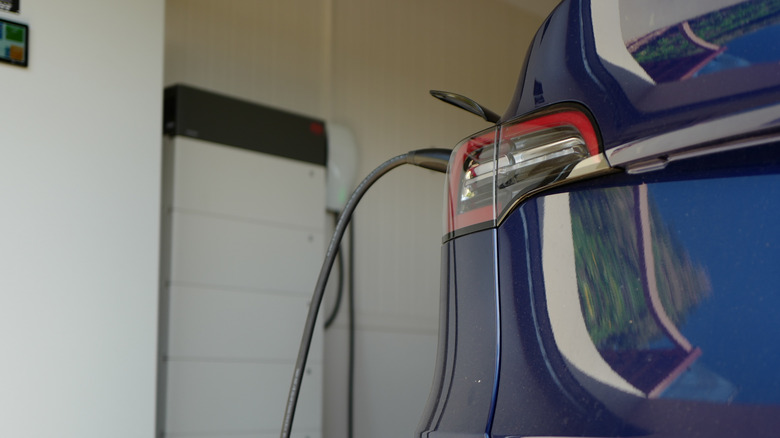
These are some of the simple tips for keeping your car's depreciation to minimum, and in the world of EV depreciation, every little bit counts. Various outlets juggle different percentages, but the overall trend is clear: The Model Y is going to lose value over time. Still, depreciation is never linear, and although these numbers can show a trend, things are often a lot different when looking at an individual vehicle. There are certain factors you can take into account to make sure your Tesla Model Y does not lose value as quickly as most others on the market.
According to KBB, the two biggest levers behind Model Y depreciation are mileage and upkeep. If you drive yours sparingly, you keep it clean, well-maintained, documented, and free of accidents, it is likely to fetch more money when it comes time to sell it. Selling strategically can also help you preserve value. Finally, when making your initial purchase, it also makes sense to go for long range models since these tend to lose value slower compared to those with fewer estimated miles of range.