

What Does Silent Service Mean In The US Navy?
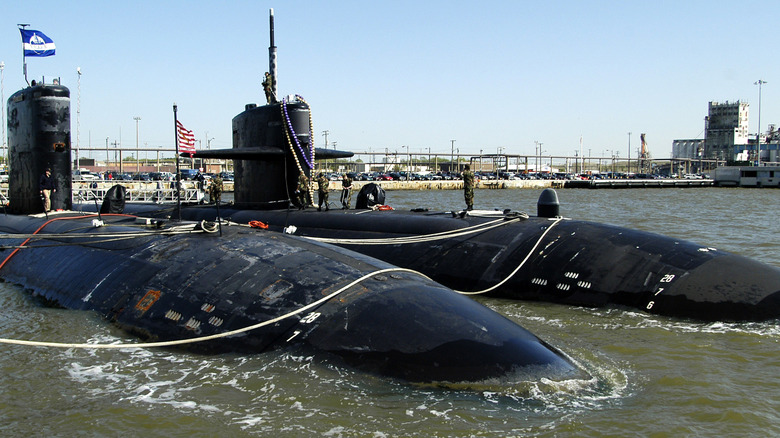
We are all familiar with the visible U.S. Navy destroyers, cruisers, and aircraft carriers that have been protecting America and carrying out missions around the world for over 100 years. Let us not forget the myriad naval aircraft that complement these vessels, made famous by Tom Cruise's Top Gun films. However, there is one critical component of the Navy whose effectiveness depends on remaining largely unseen: the U.S. Navy Submarine Force, known as the "Silent Service."
The moniker is very appropriate as the Submarine Force's ability to conduct successful missions around the world is predicated on secrecy, stealth, and avoiding detection. Submariners (those who serve aboard submarines) conduct unique missions 24 hours a day, 365 days a year, all around the globe, that range from surveillance and intelligence acquisition to maritime security, and even nuclear deterrence. None of this would be possible without the ability of these boats and their crews to operate quietly and with stealth.
Why Submarines are called the Silent Service
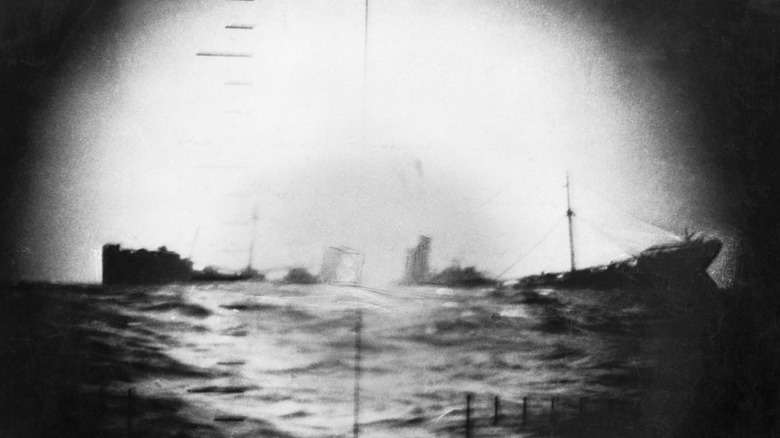
The use of submarines to quietly gain an advantage is not new to American naval history. In fact, the first offensive use of a submarine in war would come in 1776 with The Turtle. Though the mission was a failure, it was an early effort by Patriot forces to use stealth in attacking the enemy. The submarine's ability to operate silently to attack the enemy would gain ground during the American Civil War. The South struck first with a stealthy attack by the cigar-shaped CSS David in October 1863 that was described at the time by a Union sailor as "the infernal machine." While the Union never saw success with its submarine efforts, the Confederacy would with the successful attack of the H.L. Hunley, but at a terrible cost.
The crews aboard these vessels knew that silence, darkness, and extreme quiet were the keys to success. Therefore, when the U.S. joined World War II in 1941, these became the operating norms for the submarines. These practices helped U.S. submarines in the Pacific sink 1,314 enemy ships, which was 55% of all Axis warships. Adding to this was the policy of the U.S. government at the time to only release information related to enemy losses from U.S. submarine actions to news outlets, giving rise to the label "Silent Service."
The importance of the Silent Service
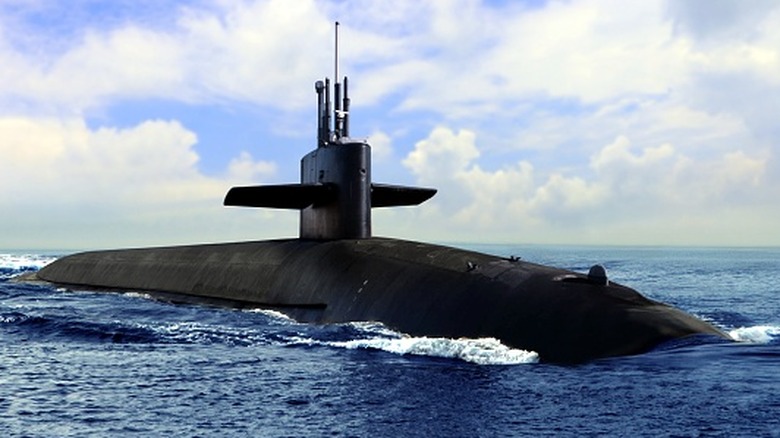
The Silent Service utilizes three types of submarines to carry out its strategic missions. Attack Submarines (SSN) are made up of three classes: Los Angeles, Seawolf, and Virginia. These subs are all armed with cruise missiles and perform a range of assignments from seek-and-destroy, surveillance and reconnaissance, to stealth troop insertions. Next are what are commonly referred to as the "Boomer," Ballistic Missile Submarines (SSBN). These are the subs that can operate for months underwater and, if ordered, launch nuclear warheads at one or more targets. Finally, we have Guided Missile Submarines (SSGN). These boats are made to be extra stealthy and are armed with over 150 Tomahawk missiles while often supporting military special operations troops.
Those that make up the Silent Service are, according to Navy Petty Officer 2nd Class Khamani Conklin, "different from anyone else in the Navy." These submariners understand the importance of their missions, whether it is nuclear deterrence as part of national security, intelligence gathering, tracking enemy vessels, or protecting aircraft carrier groups. More importantly, they understand the importance of being a member of the Silent Service: success depends upon silence, stealth, and dedication.