

Concrete Pavers Vs. Poured Concrete: Which Driveway Lasts Longer?
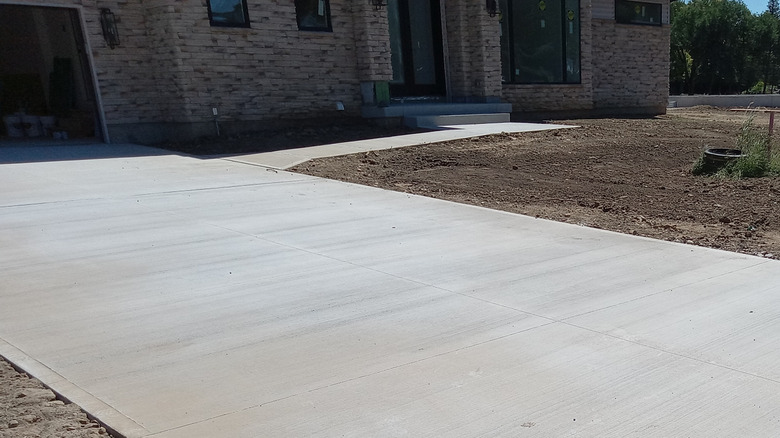
Choosing the right material for a driveway is an important decision for any homeowner. If you want to avoid common mistakes from pouring concrete and prefer to use concrete pavers instead, you should consider longevity. This is especially true when parking heavy vehicles, as they can impact the structural integrity of a driveway over a long period of time. The truth is that each solution can respond to that prolonged pressure in different ways.
A poured concrete driveway can provide a strong and resilient surface. That's because it's one continuous slab that handles vehicle weight based on the slab's thickness and structural support system. As long as the concrete is correctly mixed, reinforced, and cured, it should hold up under a variety of vehicles, including cars, trucks, and SUVs. However, because it is one solid structure, if it is poured too thin for the intended load, it can fail and ruin you driveway.
Concrete pavers are also designed to handle vehicle weight but do so differently. Pavers distribute load through interlocking joints over a compacted base and sand layer. But while that could suggest better long-term durability under certain conditions, the fact is that pavers can shift over time if the base is insufficient or if the initial setup is not done properly. The foundation used for pavers must be prepared and installed correctly to ensure the longest lifespan possible. Overall, however, concrete pavers may have an edge in longevity because they can better absorb stress from repeated vehicle weight over time.
The differences between repairs and maintenance over time
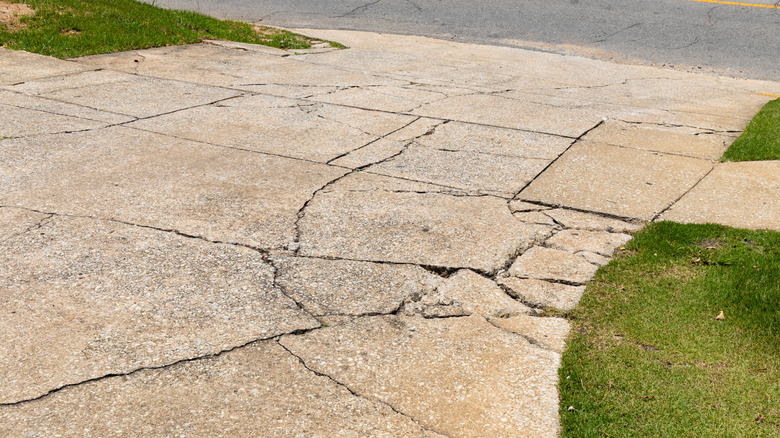
The differences between a driveway made from poured concrete and one made with concrete pavers becomes more apparent when repairs are needed. Because a poured driveway is one solid structure, damaged sections often need to be cut out and replaced. This can leave obviously repaired areas that stand out, often resulting in a mismatch of color and texture. There could even be times when large chunks of the driveway must be removed due to instability, which can pose a safety concern.
Concrete pavers are a bit easier to deal with, because they can be removed and replaced individually. This allows damaged sections to be repaired without disturbing the rest of the driveway. The base layers underneath can be adjusted as well, which helps correct any underlying issues during the repair process. The overall appearance of the driveway can also remain more consistent after replacement pavers have been installed, depending on their color and condition.
When it comes to long-term maintenance, poured driveways benefit from regular sealing, as well as quick cleanups when spills happen. That's because automotive fluids like oil, gasoline, and grease can soak into the concrete and stain your driveway. Certain types of chemical deicers should also be avoided during the winter months, as they can cause the concrete to chip or crack. Concrete paver driveways also need sealing, along with routine visual inspection to ensure they're locked into place. As time goes on, their joints may need refilling to help them maintain stability.