

Should The Front Of A Mower Deck Be Higher Than The Back?
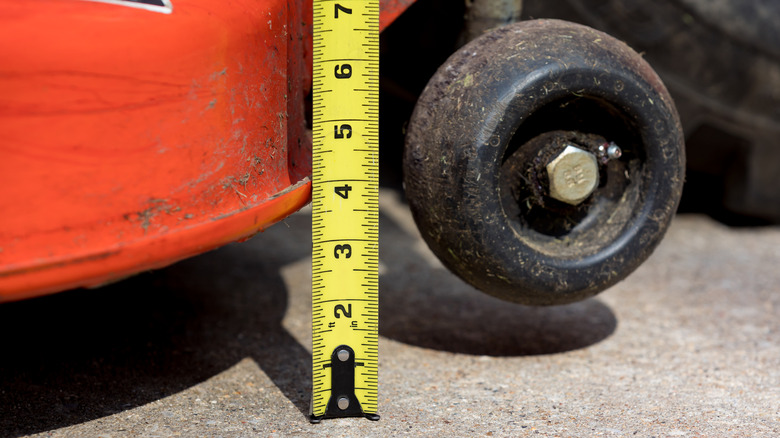
The quest for the best-looking lawn possible has many homeowners seeking out tips and tricks for a better cut. One topic that continues to make the rounds online, is whether or not the mower deck should be positioned at a different height in the front than it is at the back. Adjusting the pitch of your deck can make or break the health of your grass.
A lawn mower deck that is lower in the rear and higher in front can create some problems for your lawn and mower. One of the issues will be a less efficient or thorough cut. This puts a greater workload on your lawn mower's engine, using more fuel and increasing overall wear and tear.
Referred to as deck pitch, manufacturer's like Gravely, considered among the most reliable gas riding mower brands by Consumer Reports, recommend the front be tilted down slightly, not up. In fact, around a quarter of an inch difference between the front and rear of the deck height is considered ideal.
Why should you pitch the front of the cutting deck lower?
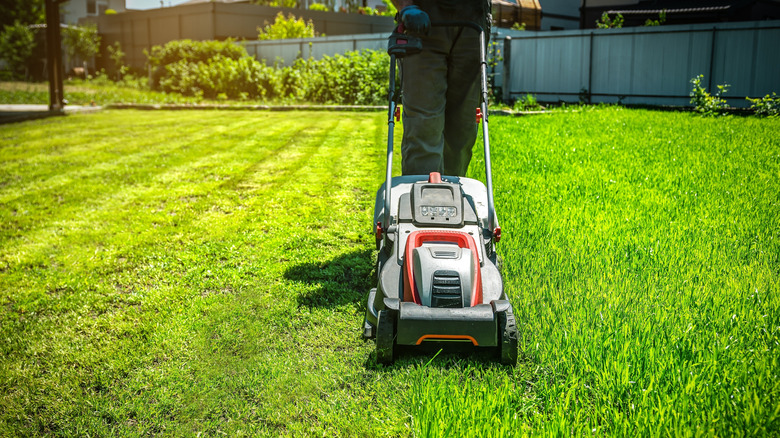
The reason for pitching the front of the deck lower than the rear, has to do with cutting performance and efficiency. With the front angled lower, a type of pressurized barrier forms that prevents excess air from entering and disrupting the cutting process. To produce the best results, the blades and deck must create a vacuum effect, lifting the grass up prior to contact with the blades. Pitching the front downward helps aid this process and works to prevent clippings from clumping together.
While the adage, "more is better," can be true in some situations, adjusting the pitch of your mower deck isn't one of them. Staying between a ⅛-inch and a ½-inch pitch forward will achieve the best results. Going beyond this could shear too much of the grass blades off and scalp your lawn. Scalping the grass removes the majority of the plants ability to gather adequate Sun, stressing it, and turning it a yellowish-brown color. This is why you should consider the 1/3 rule for mowing, which states you shouldn't remove more than a third of each grass blade when cutting.
Consider your properties terrain and check your mower's tire pressure
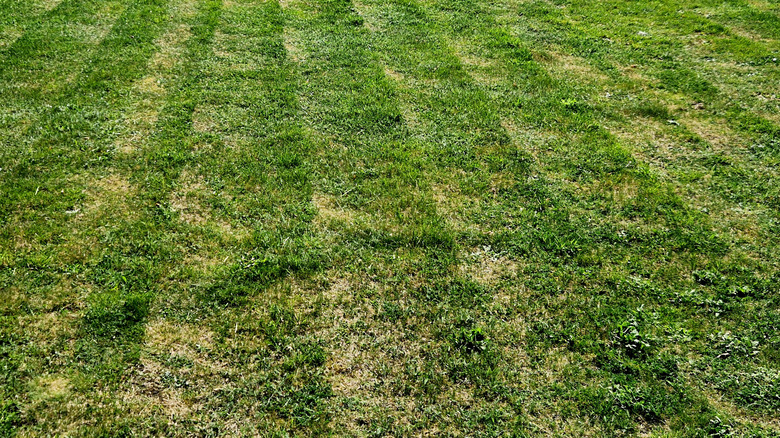
You'll want to be extra careful if your yard includes hilly or uneven terrain. Even at the recommended front pitch, it can be easy to scalp sections of your grass over slopes and dips. Not only is this bad news for your grass, but it also isn't healthy for your mower either, potentially requiring you to sharpen your lawn mower blades or replace them. One way to mitigate this situation, is to reduce the angle of deck pitch. This way you would still have the advantages provided by a lower front deck, while reducing or eliminating any damaging effects to your grass.
Regular maintenance is also key, as mundane details like your mowers tire pressure (if applicable) can throw off deck pitch. It won't matter how carefully you've measured when setting up your deck pitch, if your front or rear mower tires aren't pressurized properly. Not only can you inadvertently damage your lawn with underinflated tires, being low on air is harder on the tires causing greater wear over time. Consider checking the tire pressure prior to mowing for the best results.