

Here's What Will Happen If You Immediately Shift From 5th To 2nd Gear
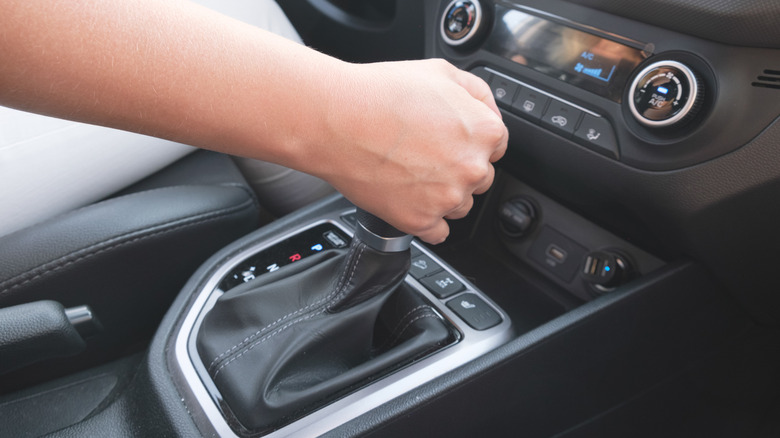
Manual transmissions aren't as popular as they once were, but they still offer drivers more control and arguably deeper engagement with the car. For example, there isn't anything preventing you from shifting gears out of sequence in a manual. Of course, this isn't something a newbie should ever attempt. In fact, one of the beginner tips to learn manual transmission shifting involves memorizing the vehicles shifting pattern in sequence.
If you decide to suddenly shift from fifth gear into second, a few things can happen, depending on how fast you're going. For example, if in fifth gear you begin slowing for an upcoming turn and skip fourth and third going straight into second gear, it shouldn't cause any problems, assuming your speed is low enough.
However, if you're cruising on the highway in fifth and suddenly drop to second gear, your car's RPM's will soar into the red and you'll experience a noticeable jolt as the downshift abruptly slows the vehicle down. This is not good for engine health, but there is a technique called rev matching, which can prevent problems.
It's important to master rev matching, although some cars can do it automatically
Among the variety of driving techniques that separate everyday motorists from seasoned motorsports professionals, rev matching is one of the essentials. This involves synchronizing the speed of the engine and transmission by revving and increasing the RPMs to match the lower gear during a downshift.
In fifth gear, your engine speed is much slower than it is in second. This matters because unless you match the engine speed with the transmission speed, a downshift from fifth to second gear will include a jerking motion as the two adjust and your RPMs shoot up. If you plan on skipping gears when downshifting, rev matching (done correctly), will ensure you don't place too much stress on your drivetrain.
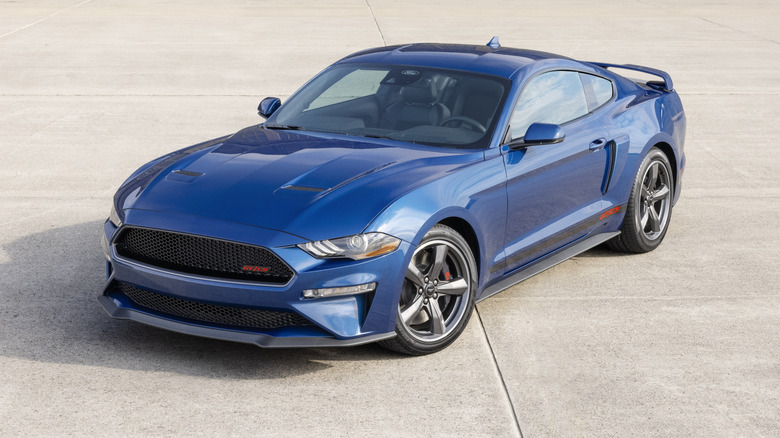
If rev matching sounds challenging, some manual vehicles, like the Ford Mustang GT, can do it for you. This is just one of the ways driving stick shift transmissions has been made easier with modern cars. Utilizing sensors, a computer will automatically increase the RPMs when downshifting, helping to protect the clutch and make you look smoother behind the wheel.
Can you damage an engine by skipping gears when downshifting?
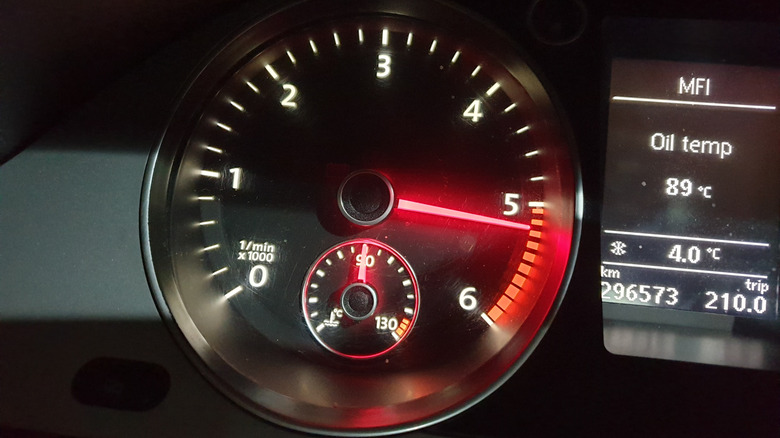
Downshifting at high speed is just one of the bad habits ruining your car's engine. You may have heard that most modern vehicles have in place a rev limiting safe-guard. This system electronically cuts off fuel or can shut off the electrical current going to the spark plugs preventing catastrophic RPM levels. Unfortunately, while this technology can prevent a lead foot from going beyond an engine's capabilities during acceleration, it doesn't work fast enough when downshifting.
The consequences of over-revving can be devastating to your car, with a potential blown engine on the table. Worse still, the damage can happen in a matter of seconds. For example, your valves can get stuck, you could ruin your clutch and pieces of the engine like the connecting rod can literally fly off, becoming a destructive projectile within the engine.