

How Long Should A Home Heat Pump Last?
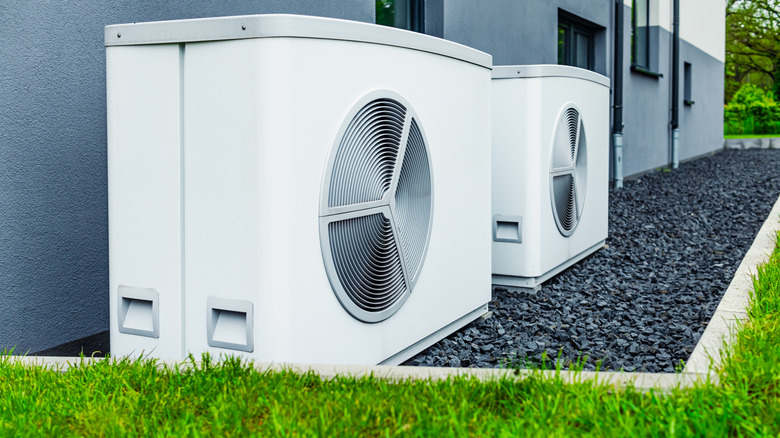
In extreme cases, keeping your home warm in the winter and cool in the summer can be a matter of life and death. Most of the time, it's more a matter of everyday comfort. It's also a battle where homeowners have various options, including central air conditioning, furnaces, boilers, and heat pumps.
None of those options are particularly cheap these days. While high-efficiency electric heat pumps tend to be more expensive to install than other options, current thinking is that they still may be cheaper to operate over their lifetime, particularly compared to expensive options like gas furnaces. They are also the only all-in-one option, with their design intended to bring ambient heat into the home when it's cold and to expel it from your home when it's hot. The potential for saving money on the power front should make heat pumps an enticing option for anyone in need of a new heating and cooling system. Apart from installation cost, however, one other potential deciding factor is no doubt how long you can expect the system to last.
According to several heating and cooling professionals, the average lifespan of a new heat pump system is anywhere between 10 and 15-years, which may be shorter than some traditional HVAC systems. There are, of course, several factors that can sway that number one way or another, including general upkeep and maintenance, usage, and even the climate in which they operate.
Here's how to know when your heat pump needs replacing
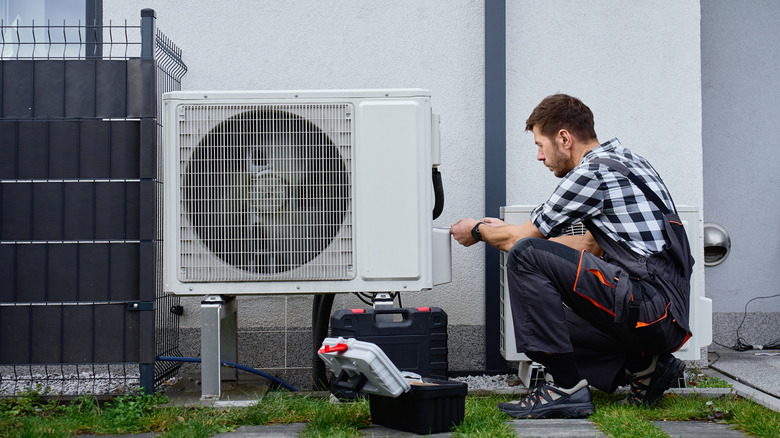
Because heat pumps are designed to run year round, it's recommended that you have them serviced professionally at least once a year. Like a traditional HVAC system, it is also recommended you change a heat pump's air filter about every one to three months. It should go without saying that failure to take these basic courses of action could significantly shorten the overall lifespan of the system.
Even if you do take those actions, there's still no guarantee that your system will not experience some sort of service failure during its lifetime. Nor is there any guarantee that it will last as long as those decade-plus estimates. Thus, you'd be wise to keep an eye out for some of the tell-tale signs that your heat pump is in need of replacing.
The first of those signs is, naturally, that the system will not turn on, or when it is on it will not cycle off. Similarly, if you find that the system is not heating your space when it's cold, or sufficiently cooling it when it's warm, a service call is clearly warranted. To that end, you'll want to track the age of the system itself, and if you're at 10 years or beyond, it may be time to at least consider a preventative replacement. Apart from those factors, noticeable changes in your heating or cooling bills are a sign of malfunction, as are any foul odors or loud noises emanating from the system or your internal air vents.