

iSeeCars Projects This Car Will Have The Least Amount Of Recalls Over 30 Years
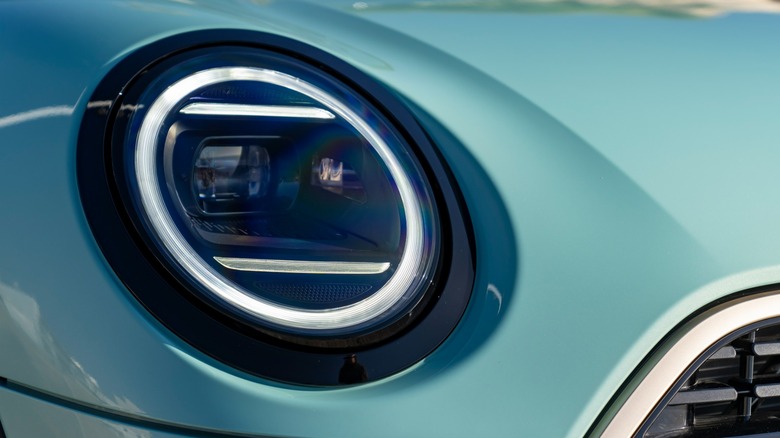
It's not pleasant to get a recall, but it's not all that uncommon, although some cars do better than others in this regard. A 2026 iSeeCars study analyzed National Highway Traffic Safety Administration (NHTSA) recall data covering the last 10 model years to predict how many recalls cars would have over the next 30 years. The average number of recalls for all the cars it studied is four, with small and fun Mini Convertible taking the cake with only 0.2 expected recalls.
This is likely because the Mini Convertible had no recalls between 2021 and 2026. The model's last recall was in July 2020, when a few variants had an issue with the air bag control unit's rollover sensor, potentially leaving the air bags and other safety systems inactivated in a rollover crash. Before that, the Mini Convertible was recalled in 2018 for a possible issue with the electric auxiliary water pump and in 2012 for the same component.
Other top performers in iSeeCars' study included the Lexus NX 300h, Lincoln MKZ Hybrid, Mercedes-Benz CLA, and Lexus RX 450h, which made up the top five after the Mini. Overall, Mercedes-Benz had the lowest expected recalls across its vehicles, followed by Toyota and Lexus.
Tesla did poorly, but that's not necessarily a bad thing
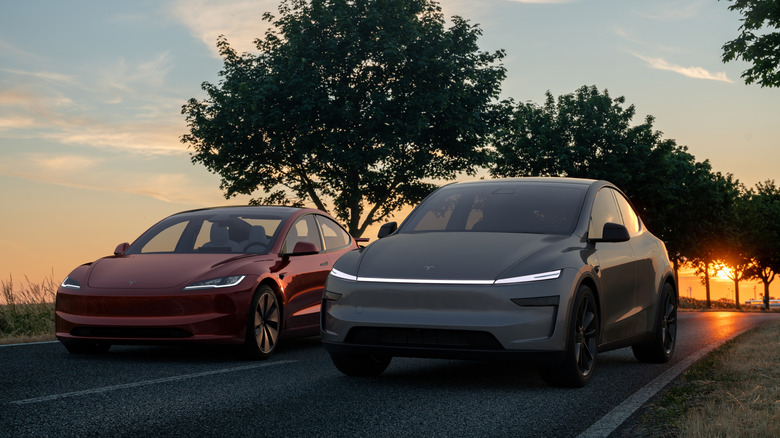
On the other end of the spectrum was Tesla, whose vehicles — the Model Y, 3, X, and S — iSeeCars predicted would see a lot of recalls. Of these, the Model Y was the worst, with an expected 62 recalls over the next 30 years.
This isn't a big surprise considering the Tesla Model Y has had 83 recalls in its lifetime, an average of 14 recalls per year — some for dangerous reasons, too. For example, the automaker recalled 376,000 vehicles, including 2023 Model Y's, in early 2025 after it was reported that electronic power steering assist could suddenly stop working. There was also a 13,000-car recall later that year for battery pack contactors opening unexpectedly while driving.
However, it's worth noting that having many recalls doesn't always mean that a vehicle is dangerous or unreliable. For one, automakers have, since the mid-2010s, been more willing to recall vehicles as a pre-emptive measure to ensure safety and accountability. Tesla's case is also unique in that the vast majority of the 5.1 million recalls it issued in 2024 were for over-the-air software updates, meaning that cars didn't even have to go to service centers.