

What Does UHD Stand For When It Comes To TVs & Monitors?
We may receive a commission on purchases made from links.
Go shopping for a new TV or monitor and you're bound to see buzzwords like FHD (Full High Definition), OLED (Organic Light Emitting Diode), and UHD, which stands for Ultra High Definition. But what do these actually mean?
Terms like FHD and UHD refer to the clarity of the picture. A TV that offers Full High Definition displays a picture that is 1920 x 1080 pixels, regardless of the physical screen size. Ultra High Definition displays offer a pixel count of 3840 x 2160, a four times increase in visual fidelity over FHD displays. The higher the pixel count, the more detailed the picture.
You might have seen 3840 x 2160 (UHD) displays referred to as "4K," but there are actually a few distinct differences between 4K and UHD when it comes to displays. Along the same vein, you may be wondering how terms like OLED tie in. These extras are separate from the UHD resolution, and knowing whether or not you need them will drastically change the price range of the display you're searching for.
How much does a UHD TV cost?
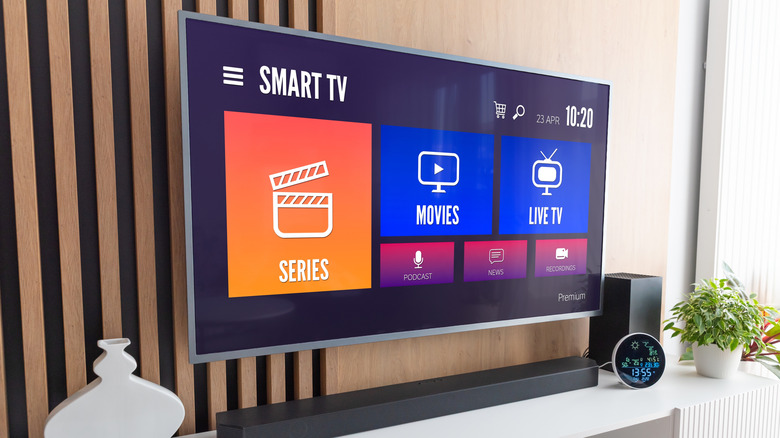
There's no one set price point for UHD displays. Instead, you have to consider the bigger picture — several factors affect price besides the image resolution. The biggest contributors to the price tag are panel size and type, refresh rate, and any additional features. This means a smaller LCD (Liquid Crystal Display) TV with barebones functionality will be much cheaper than a larger OLED display with smart TV benefits, even though both have a UHD resolution.
The low end of UHD TVs run from around $200 to $500. On the high end, the sky is the limit for the price tag. It all depends on what you get on top of that Ultra High Definition picture quality. If you're a gamer, you'll want a higher refresh rate to match modern console output. If you have a PS5, for instance, you'd benefit from a smart TV with a 120Hz refresh rate. You may also like the look of HDR (High Dynamic Range) technology and want Dolby Atmos speakers. All of these added features play a part, but if you're into the best possible quality while you watch movies and sports, you'll want to look into an OLED, Mini-LED, or QNED panel.
UHD vs OLED and QNED
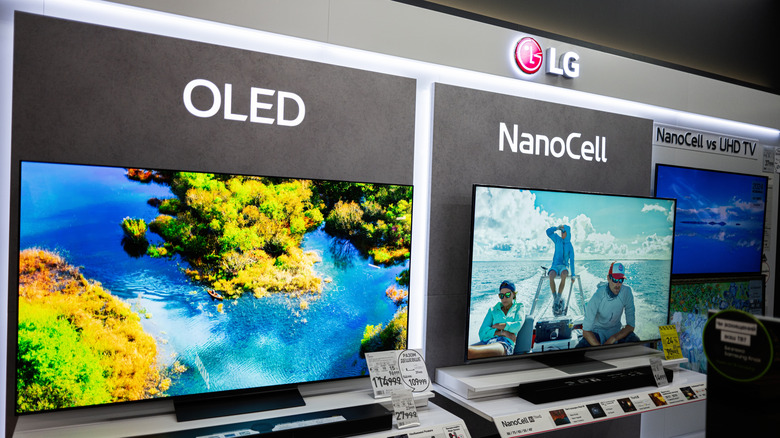
UHD resolution and LCD, OLED, or QNED panels are not mutually exclusive. Instead, qualifiers like LCD refer to how a display illuminates its pixels. OLED displays are a great choice for TVs because of their self-illuminating pixels and various layers of anodes and cathodes. In practice, this translates to bright, vibrant colors and deep, dark blacks.
LCD (Liquid Crystal Display) has been around longer and won't give you the same lively pop of color as OLED, but they'll come in at a much lower asking price. QNED (Qualified Nano Enhanced Display) panels were coined by LG and are based on LCD displays but feature mini LEDs and provide better color contrast and less glare.
So, in order of least to greatest visual fidelity, the list goes LCD, QNED, then OLED – and any of these could be UHD TVs or monitors. Choosing what to opt for in a new display comes down to your daily needs and budget range. If you want the best of both worlds, QNED is a solid choice. If you're after the cream of the crop, the best TV you can buy in 2026, according to Consumer Reports, is the Samsung QN65S90F, a 65-inch UHD OLED TV that checks every box. And if you just want something affordable and relatively high-quality, a UHD LCD panel is a good bargain option.