

What Parts Of The Engine Are The Most Prone To Carbon Buildup?
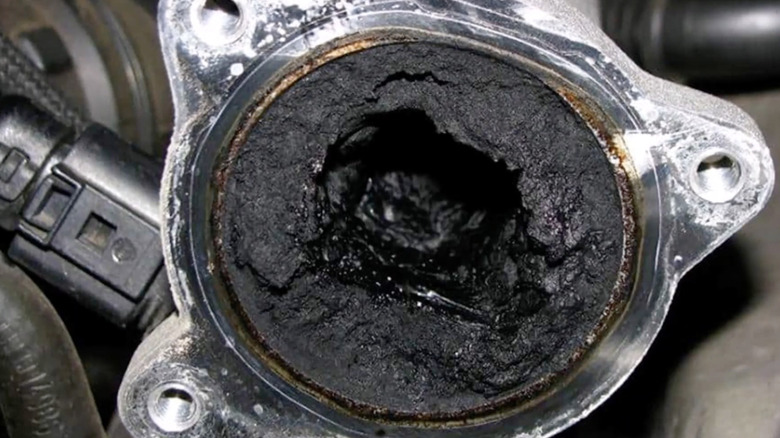
You may or may not notice the initial hints of carbon buildup. They typically show up as a little roughness at idle or slightly lower mileage – until one day your check engine light turns on because one or more engine parts have given out because of it. The main culprit is incomplete combustion, which leaves behind unburned fuel, oil vapor, and soot that ends up coating engine surfaces over time.
Components exposed to these byproducts are naturally the most vulnerable. The biggest victim is usually the intake valves – the parts responsible for managing the flow of air and fuel into the engine.
Gasoline direct injection (GDI) engines are largely to blame for that. In these engines, fuel is sprayed directly into the combustion chamber, which means it never passes over the valves on its way in. This is different from older port fuel injection (PFI) engines, where fuel would wash right over them, essentially keeping them rinsed. Without that, the valves are left exposed to particles from the air intake and crankcase ventilation system. Things can get bad enough that the valves eventually struggle to open and close properly, disrupting airflow and causing rough running. In worse cases, the valve itself can burn out.
Other victims
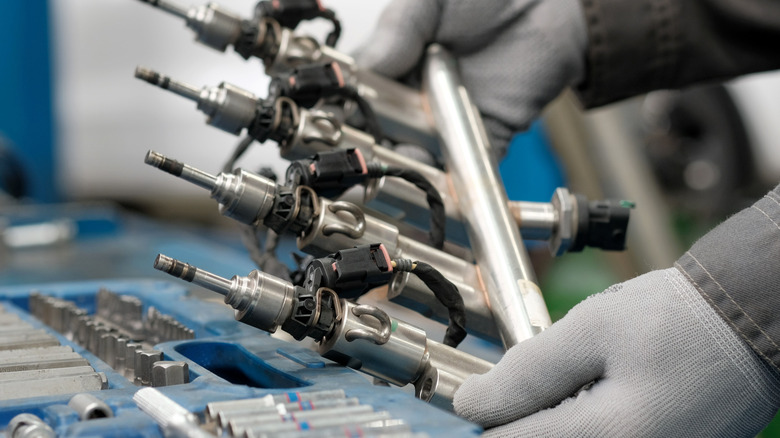
Fuel injectors are another trouble spot. In GDI engines, injectors sit directly inside the combustion chamber, exposing them to constant extreme heat. When the engine shuts off, any fuel left sitting in the injector tip gets cooked by residual heat, forming deposits. Those deposits restrict the spray pattern, causing the engine to run with too much air – which leads to misfires and poor fuel economy.
While intake valves and fuel injectors take the biggest hit, plenty of other components aren't spared either. Carbon settles onto pistons, cylinder walls, spark plugs, throttle bodies, EGR valves, and turbocharger parts. Pistons and cylinder walls are affected simply because they sit at the center of every combustion event. Spark plugs foul from unburned fuel coating them mid-cycle. The EGR valve, which recirculates exhaust gases back into the intake to reduce emissions, essentially feeds carbon-laden gas right back into the system.
Among GDI engines, turbocharged variants face even greater risk. The additional components, such as the turbine blades and wastegate, give carbon more places to settle, and when that happens, expect a drop in boost and overall responsiveness.
What you can do to prevent buildup
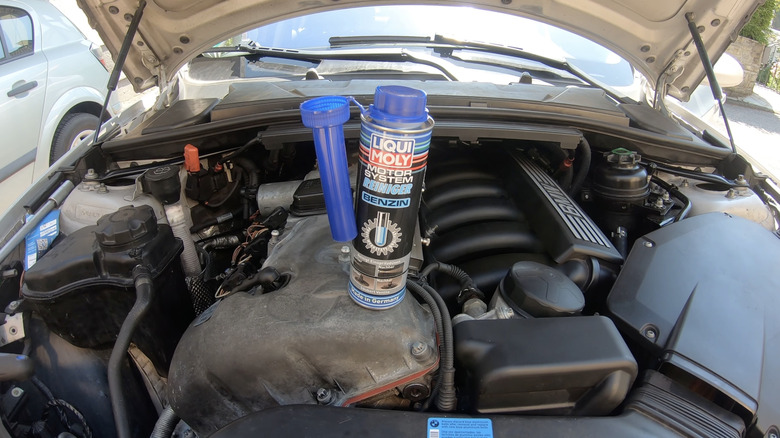
The most impactful thing you can do is change your engine oil on time. Degraded oil is one of the primary contributors to the raw materials deposits are made from, so staying on schedule matters more than most people think. Using the right oil also helps — stick to the manufacturer's recommended spec and go for the highest quality if you can afford it. While you're at it, adding a fuel system cleaner every few thousand miles is a worthwhile step too.
Avoiding very short trips helps as well. Modern engine management systems have gotten better at handling cold starts, but trips under 10 minutes may still not give the engine enough time to fully warm up, accelerating buildup. Most engines need 20-30 minutes of driving for oil temperature to properly stabilize. If short trips are unavoidable, a longer drive once a week can compensate — that's usually enough for the engine to burn off accumulated residue naturally.
Finally, premium fuel with detergent additives is worth considering if your car calls for it, since those detergents help keep injectors and combustion surfaces cleaner. Replacing spark plugs on schedule is another one to not overlook, as worn plugs leave more unburned fuel in the chamber — which, again, is just more raw material for deposits. Prevention goes a long way, but some buildup is inevitable over time, which is why it's worth knowing how to clean carbon buildup when it does occur.