

5 Tips And Tricks For Spotting Valuable Vintage Tech At The Thrift Store
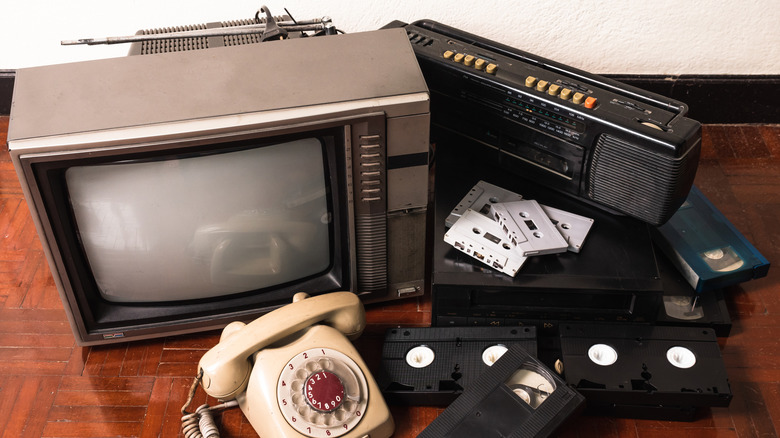
In the modern world, we're almost drowning in endless iterations of gadgets. Although some people enjoy the never-ending improvements and features, there are also those who crave less complex machines. In 2026, TechCrunch named several retro tech categories that have been getting people's attention, including audio equipment, instant cameras, and phones. While the article lists some modern takes on once beloved products, it signals a broader trend of people seeking to return to more analog experiences.
There are several reasons why vintage tech can still fetch a good price. According to a post on RWTH Aachen University's IT blog, some reasons include collector value, cultural history, and, of course, nostalgia. In many ways, it can even be a deeply personal experience. Across the internet, people have said that many types of retro tech give them satisfying tactile experiences and let them enjoy things without the overstimulation of notifications. In a 2025 BBC article, a couple of Gen-Zers shared that their love for retro tech, like vinyl and DVDs, stems from wanting ownership over content, a sort of counter to the ubiquity of streaming.
Regardless, it takes a certain level of skill to be able to determine whether the gadgets in your local thrift store are worth it, especially if you're planning to resell them. So, if you're just starting your tech thrifting journey, here are some tips and tricks for finding a good deal.
Focus on a niche
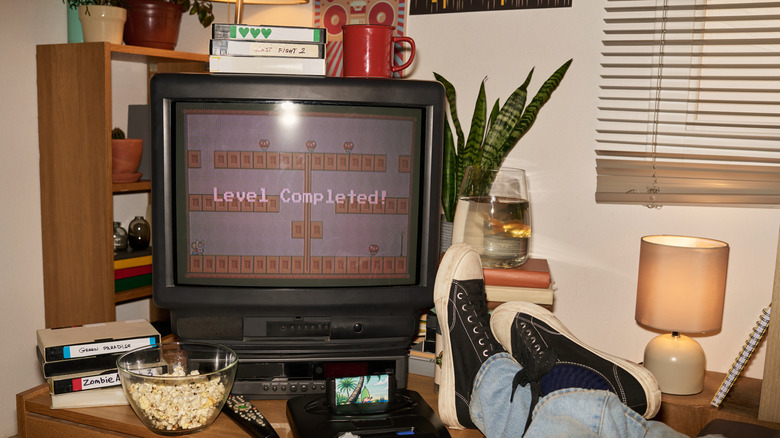
While it can be tempting to try to master all aspects of vintage tech shopping, the reality is that focusing on specific niches can be a more efficient use of your time. By choosing a niche that you're genuinely interested in, you can gain the expertise needed to make better decisions when assessing an item's potential resale value. Some high-demand retro tech niches include gaming consoles, audio players, or aesthetic-focused products, like CRT monitors. Some categories have a mix of collectors and people who buy tech that they actually plan to use, so you'll have a wider market of potential buyers. In addition, there are adjacent products and accessories that can be bundled together for higher sales.
Some of the ways to increase your working knowledge of niche vintage tech include learning about the product history, joining reseller groups on Facebook, participating in Reddit forums, or following content creators who are active in the secondhand market. Ideally, you should take the time to understand what specific models are considered valuable, what prices you can expect to get for certain items, and even learn how to repair and restore these devices. In addition, you'll want to research the best channel to sell your finds and cultivate a community of interested buyers, whether it's a social media site, online reselling platforms, or in-person markets.
Know your brands and timeless products
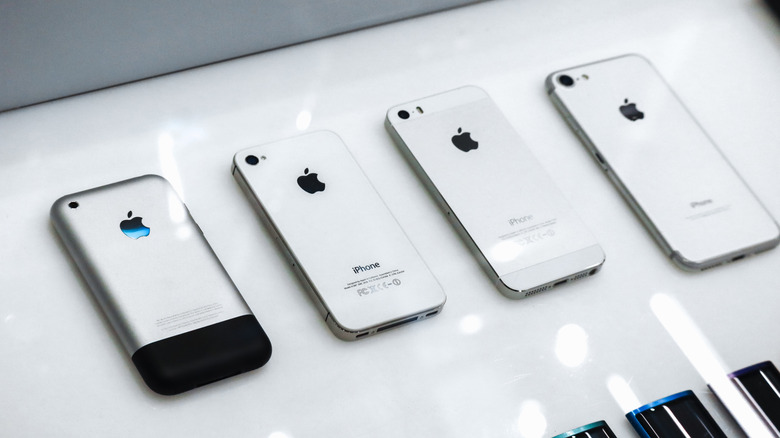
Even within the same product category, there are brands that stand out in the vintage market for one reason or another. A 2022 Simple Ghar analysis revealed that some of the top products that have fetched vintage tech resellers thousands of dollars are from brands like Nintendo, Apple, Sega, Sony, Lasonic, Bandai, and Atari. Apart from a slew of gaming-related consoles (both sealed and used), it also listed first-generation models of the iPod and iPhone. A boombox and the Sony Walkman also joined the list.
Although they're not necessarily collector-worthy, some vintage tech can be sold simply because some people still depend on it. In industries that rely on legacy machines, old storage systems are still in use. For example, some air traffic control infrastructure, train systems, and textile factories still use floppy disks. On a more practical note, some older adults are fond of old tech and don't necessarily want to learn how to use new tech. Additionally, even though modern mechanical keyboards are common, some people prefer the feeling of typing on old-school models.
Working conditions and repairability
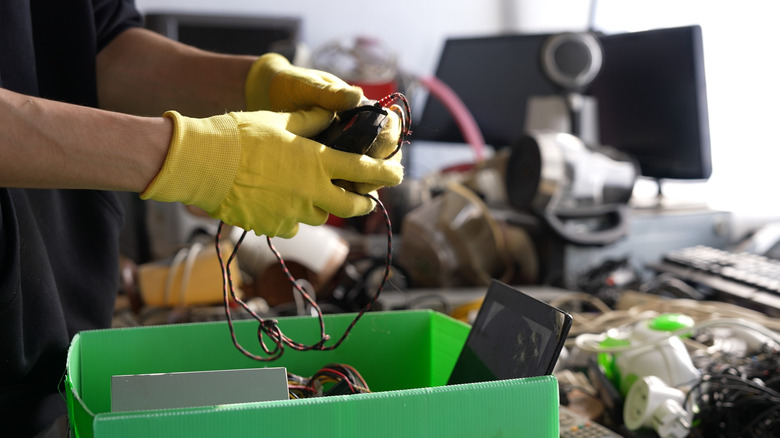
As a general rule of thumb, vintage tech that still looks good and works like a charm tends to be worth more than the same items that do not. This is because buyers don't have to consider the cost of repair or restoration. While some repairs require technical knowledge, like fixing issues with lasers or corrupted firmware, others can be easy enough to learn, like battery changes or common part replacements. On the other hand, cosmetic issues can sometimes be resolved with a little bit of cleaning, repainting, or removing corrosion. But if you don't have the skills to do it yourself, you might want to have a repair person on speed dial, who knows how to solve old-school problems at a reasonable price. In some cases, paying for a professional to repair it can make sense if the item's resale value is high enough.
For some devices, repairs can be impossible since the parts can be too difficult to source, or the device is too damaged. You may be able to get away with selling certain collector's items that don't work anymore. However, this means you have to be extra careful when judging the item's appearance, including whether it looks brand new, barely used, or heavily used. Although there are no hard and fast rules for how an item should be categorized, you can reference how similar items have been listed online.
Unique designs, original boxes, and add-ons
There are certain things that can increase a secondhand item's rarity. For non-tech collectibles, one interesting way that something has shot up in value includes a first edition of a Harry Potter hardback that had a typo. For vintage gadgets, some of the most valuable collector-worthy video game consoles include one-off releases, prototypes, or unique aesthetic variations.
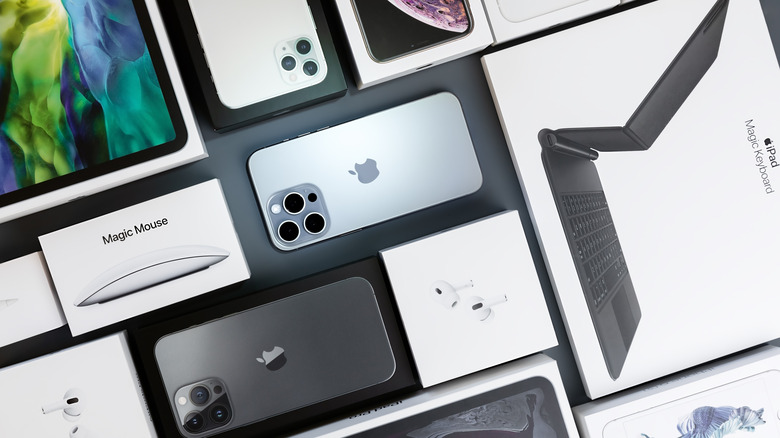
Realistically, it can be difficult to spot special edition models right away, especially if you don't have a lot of experience. However, one quick way to figure out if something will generally be worth more than similar items is whether or not it's still in its original packaging. Through the years, unopened first-generation Apple devices, like iPhones, have been sold for jaw-dropping prices. One can hypothesize that the new owner simply wants the thrill of going back in time and opening it, or they plan to keep it as a collector's item in the years to come.
When given the option between two similar devices, collectors also have a tendency to go with the seller that provides add-ons, especially with a minimal price difference. For example, this can mean having devices ship with their original charging cables, decorative stickers, or headphones. But take note, there are people who employ sketchy practices and buy empty device boxes so they can pass off fake products as real. When possible, try to validate serial numbers to avoid being a victim.
Understand trends
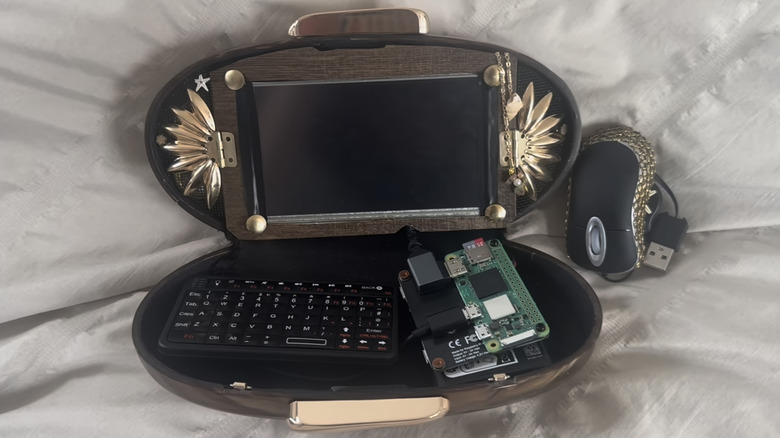
Sometimes, the difference in value can come down to whether a vintage item is fashionable at the time, and all that it takes is a single viral video. One trend that has contributed to the retro tech resale market is the custom cyberdeck trend, where users make their own unique mini computers that can act like IoT control panels, e-readers, and even use the internet. Some users have made cyberdecks with cases made of handbags and old children's toys. Instead of buying new parts, a few creators have reduced e-waste by using vintage tech for their builds. People have reused components from old tech devices, like a discontinued BlackBerry keyboard or scrap parts from an old laptop. On the other hand, there was also a digital camera craze that took over TikTok a few years back, with people finding joy in documenting their nights out without their phones.
As for music lovers, the need for slow, analog experiences never really goes away. These days, there are still underground artists who release music specifically for the floppy disk format and people who patronize them. While it doesn't hold a candle to streaming, vinyl records have also been rising from the ashes in recent years, even surpassing CD sales. But take note, various retro gadgets have made comebacks because manufacturers have released new models for their once-beloved products. So while something can have the aesthetics of a retro gadget, it's possible that it wasn't actually made that long ago.