

Do Michelin Energy Saver A/S Tires Improve Fuel Economy?
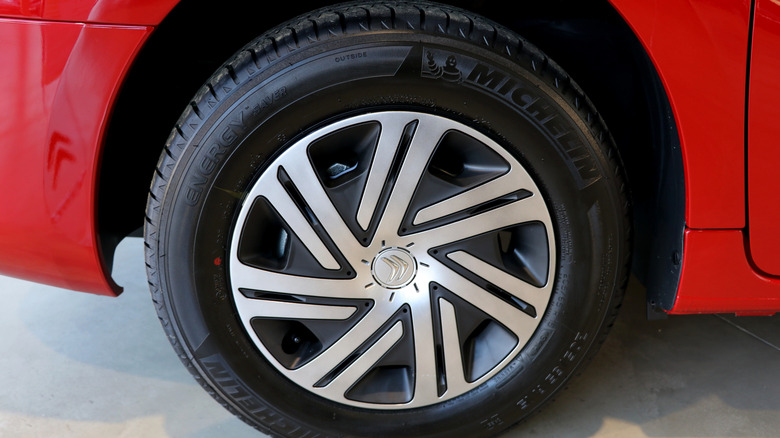
For many drivers, choosing the right tire is all about getting the best traction and rideability for the money. Fuel economy is also important, though oftentimes, it's hard to know if the tire you want can even make that much of a difference. But when it comes to Michelin Energy Saver A/S, you're getting one of the most fuel-efficient tires in 2026. The problem is you might not even notice it.
Testing performed by Consumer Reports (CR) found that when compared to other fuel-efficient all-season tires, the Michelin A/S did deliver exceptionally low rolling resistance. Because of that, it ranked near the top of the group. However, even large differences in your tires' rolling resistance may not make much of a noticeable impact. In fact, the change in fuel economy was only around one to two percent in CR's tests. So while the Michelin Energy Saver A/S did have a measurable advantage, it wasn't as significant as other performance aspects, including braking, handling, and tread life.
More recent independent analysis mirrors CR's findings and attributes the Energy Saver's fuel efficiency to its core design. That design includes a silica-based tread compound and optimized tread pattern, both of which help to reduce energy loss when the tire is in motion. But the gains in fuel economy were minimal and did not substantially affect tire performance. Real-world results would depend on a number of factors, and the amount of fuel saved could vary from one driver to the next.
Getting the most out of Michelin Energy Saver A/S tires
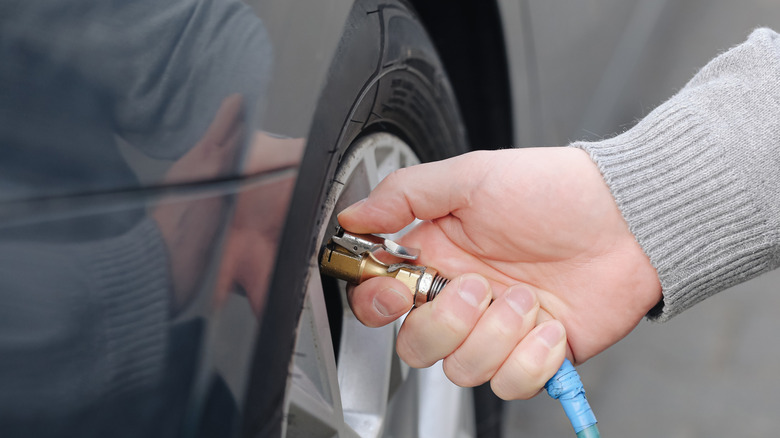
While Michelin Energy Saver A/S tires are designed for better fuel economy, regular maintenance is required to get the most out of them. Otherwise, you're trusting that the tires will always be able to deliver from the day you have them installed, which may not be a realistic expectation. This is why it's important to take care of the essentials, beginning with keeping the correct tire pressure. Under-inflated tires increase resistance to road surfaces, and as a result, fuel efficiency can decrease.
Regular maintenance also includes going beyond what you may be capable of doing yourself. For example, tire rotation, balancing, and wheel alignment are all important tasks that should be addressed to ensure you're getting the most fuel efficiency possible. You'll also help prevent uneven tread wear, which can do more than just give you decreased traction with the road. It can also increase rolling resistance over time, which can impact your fuel economy.
Even if you're running the highest-rated tires on the market, you can still negatively impact your car's fuel efficiency by how you drive. For example, smooth, steady driving helps reduce unnecessary strain on your car, resulting in better fuel efficiency. However, constant acceleration and braking do the exact opposite. Also, the faster you drive, the worse your fuel economy gets. Driving in stop-and-go conditions doesn't help either, as you can notice a big difference in fuel economy compared to steady driving.