

The 1/4 Fuel Tank Rule Could Save You Costly Repairs In The Long Run
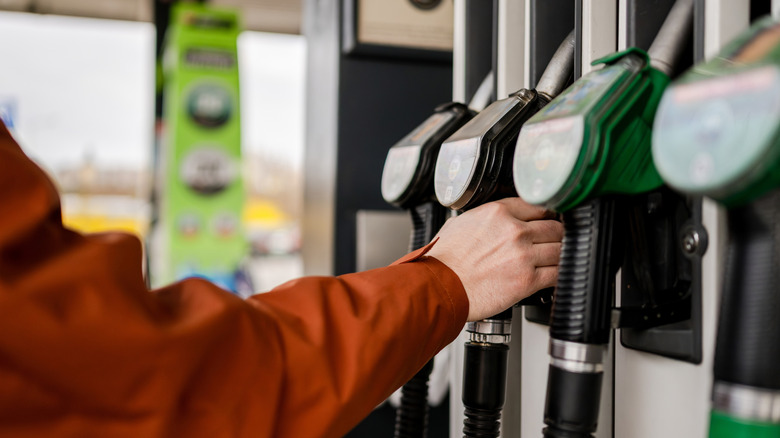
There are plenty of fuel myths out there that drivers would be better off not believing. Using premium fuel when it isn't recommended or buying fuel in the early morning won't help save money or boost a car's performance, but not every fuel-related tip is quite so useless. Another commonly touted tip is the ¼ tank rule, which states that drivers should never let their fuel tank dip below the ¼ level, because if they do, it could cause harm to their car's engine and fuel system.
First, let's be clear: for modern cars, driving around with a ¼ tank of fuel isn't going to immediately cause damage to your car. However, regularly running a car on a nearly-empty tank can cause issues that could potentially result in a big repair bill. By remembering to fill up when you see your fuel gauge hit ¼, you should drastically reduce the chance that you get caught out and end up running on empty. As well as helping ensure that you don't get stranded, that should mean you'll also minimize the risk of inadvertently causing damage to your car in the long run.
Driving on empty can cause various problems
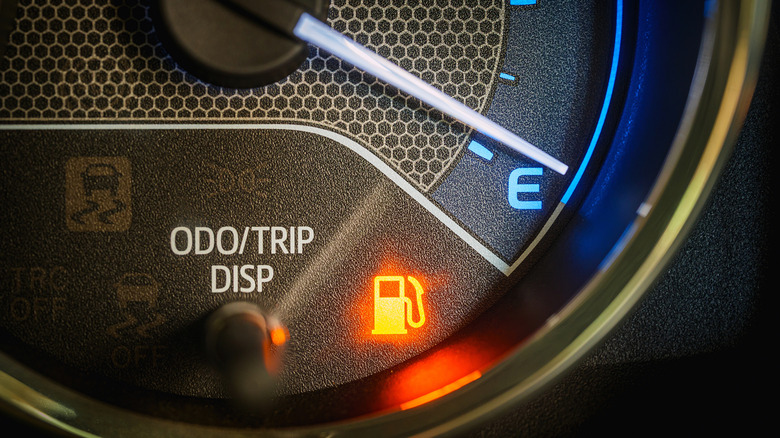
Anyone who spends a significant portion of their time driving around with the fuel light on risks damaging their car's fuel pump. Although modern pumps can deal with lower fuel levels, they still need a certain amount of fuel in the tank to stay cool during normal operation. If the fuel dips to critical levels, the pump can potentially start to overheat. If it regularly overheats, the pump may eventually go bad, and you might end up needing to replace it. Fixing it won't be cheap, with replacement costs potentially totaling more than $500 at a shop when you factor in labor costs.
Leaving a fuel tank empty for long periods also increases the chance that moisture builds up inside it. In older vehicles with metal fuel tanks, this can lead to corrosion, and any excess water can also cause performance issues if it mixes with the car's fuel. Alongside potential water intake, driving with low fuel also increases the chance that your car's fuel pump will draw in sediment or debris that has made its way into the fuel tank. A higher level of sediment can clog fuel filters over the long run, and although it's usually cheaper to replace a fuel filter than it is to replace a fuel pump, it's still not something you want to be doing if you can avoid it.
Running out of fuel in a diesel vehicle can be more problematic
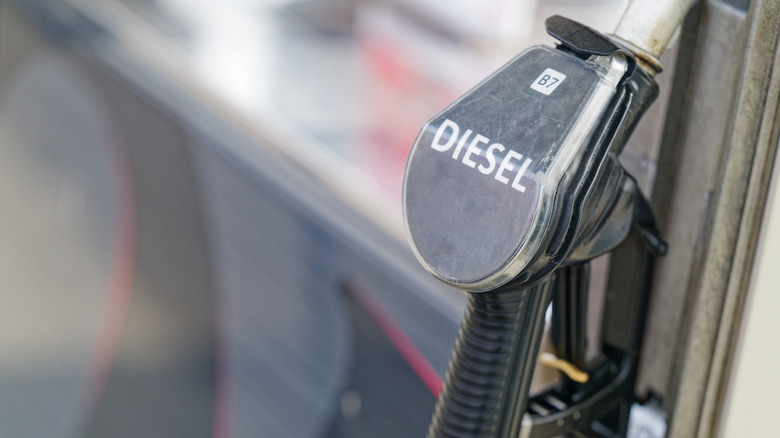
Following the ¼ tank rule if you drive a gas-powered car can be helpful as a preventative measure, but it's particularly useful if you drive a vehicle with a diesel engine. Again, this isn't because driving with less than a ¼ tank of fuel will immediately damage your vehicle, but instead it's because if you run out of fuel in a diesel vehicle, you'll need to follow a time-consuming process to restart it.
We've previously covered how to restart a diesel engine when it runs out of fuel, but in short, it's a multi-step process that involves bleeding the fuel system of air. Modern diesel vehicles can often self-bleed, but older vehicles might need the process carried out manually. If you're not confident about manually bleeding the system yourself, you'll need to enlist a professional, which will leave you with an unwelcome repair bill. By filling up the tank when it reaches ¼ full rather than continuing to drive after the fuel light comes on, you shouldn't have to worry about getting familiar with the restart process at all.