

John Deere Lawsuit Ends In $99M Payout For Farmers
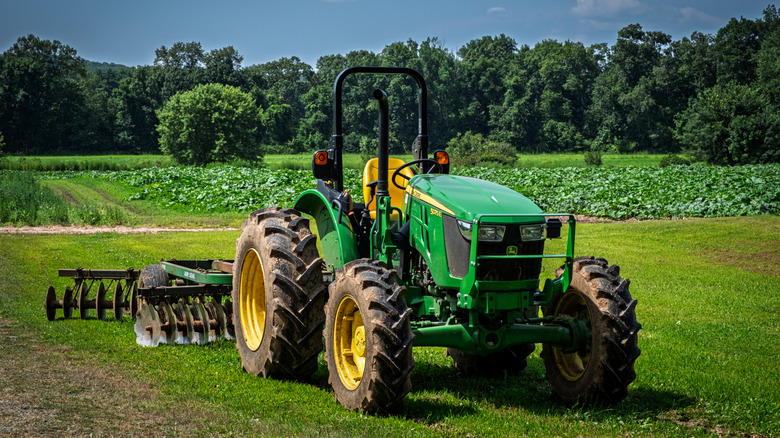
John Deere, one of the most popular manufacturers of agricultural equipment in the U.S., recently settled a contentious class-action lawsuit accusing the company of monopolizing repairs. At an Illinois Federal Court, the company settled the case — ongoing since 2022 — by agreeing to pay $99 million to customers. These customers include people who paid John Deere and its dealers for large equipment repairs between January 10, 2018, and the preliminary approval of the deal. According to AP News, John Deere agreed to deposit the said amount into a settlement fund, money from which would eventually reach the accounts of all eligible John Deere customers.
While the move is a small win for proponents of the right-to-repair movement, it is worth noting that John Deere — on its website — denies any wrongdoing. A statement by Denver Caldwell, vice president, Aftermarket & Customer Support at John Deere, gives readers the impression that John Deere wanted to "fix" this issue without risking negative publicity for the company. He asserts that this $99 million payout will help the company focus its attention on serving its customers.
As part of the settlement, John Deere has also agreed to make all necessary digital tools available to keep modern-day John Deere products functional. This includes software and internal digital tools that help John Deere technicians maintain, diagnose, and repair faults that affect the company's other farming products, including sugarcane and combine harvesters. Interestingly, the company has added a 10-year clause to this benefit as well, according to WPR.
John Deere's battle with the FTC is still ongoing
While John Deere has taken the first steps toward a settlement with the plaintiffs in the aforementioned class action lawsuit, the company continues to battle a separate lawsuit filed against it by the U.S. FTC (Federal Trade Commission). The lawsuit — filed in early 2025 — accuses John Deere of forcing its equipment buyers to depend on the company's own dealership networks for repairs, Reuters reports. The FTC alleges that these requirements are not customer-friendly and also drive up the prices of parts and repairs.
John Deere, unsurprisingly, continues to deny any wrongdoing and even termed the FTC's move a "meritless lawsuit" filed on the eve of the transition to the new Trump administration. Denver Caldwell also made his displeasure evident, claiming that the FTC lacked the technical know-how, industry experience, or understanding of John Deere's business practices. He also advised the FTC not to spend taxpayer money on lawsuits that are supposedly based on what it terms as an "underdeveloped" evidentiary record.
While the outcome of that case is pending, these litigations and the rise of the right-to-repair movement in other industries, such as smartphones, video game consoles, and other electronic gadgets, are viewed in a positive, customer-friendly light. The movement has also led several U.S. states to pass official right-to-repair laws, with California among the first to do so. As for the $99 million settlement, the final decision is subject to approval by the United States District Court for the Northern District of Illinois.