

Google Pixel User May Have Found The Cause Behind Rapidly Draining Batteries
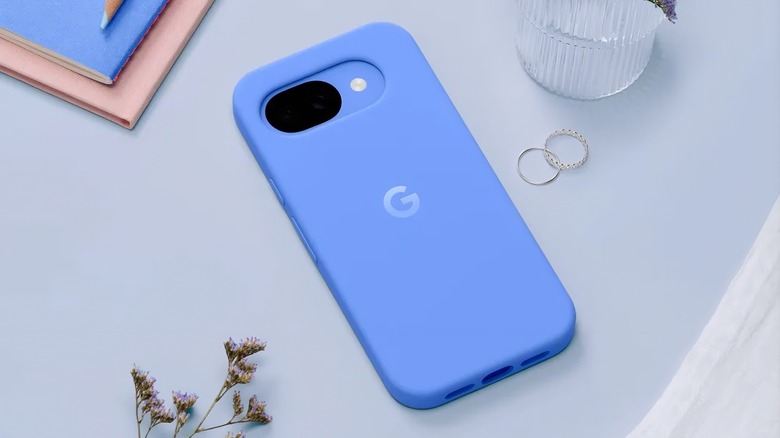
In March 2026, Google released a major update for Google Pixel smartphones dubbed the March Pixel Drop. It enabled several new features, including improvements to "circle to search", better Magic Cue capabilities, and an upgrade to the familiar "Now Playing" widget. Devices eligible for this update included older phones from the Pixel 6 lineup right up to the latest Pixel 10 Pro XL. While most Pixel users appreciated the new capabilities, what they didn't know at the time was that Google would inadvertently introduce a disastrous issue alongside the new features.
Shortly after installing the March 2026 update, users noticed a significant drop in their phones' overall battery life. Users have been sharing their experiences with the issue in a battery life megathread on r/GooglePixel. Some claim they're losing 10 to 15% battery life overnight, even in airplane mode. Active use predictably makes this even worse, with one individual claiming that their Pixel device now needs to be charged two or three times a day.
While slow to respond at first, Google has officially acknowledged the bug on its Issue Tracker dashboard, designating it as a top-priority issue. What Google hasn't officially revealed, however, is the actual cause of this issue. In a now-deleted post, a Redditor claimed that something in the update is stopping the CPU from entering a Deep Doze mode that halts background activity. As a result, the CPU remains continuously in use, eventually draining the battery.
Google is aware of the issue, but there are no temporary workarounds
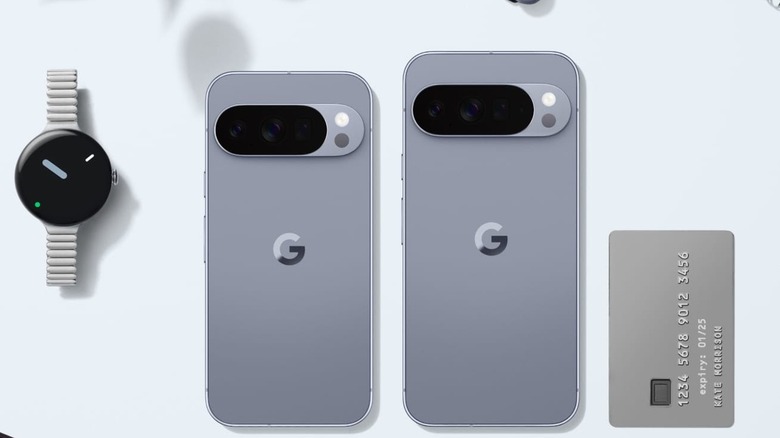
At the time of writing, it's been a month since this disastrous March update. Users with eligible Pixel devices continue to receive updates to the latest software version, making for an increasing number of potential victims of this battery life issue. The sheer volume of complaints and the severity of the issue have likely led to Google assigning it P1 (top priority) and S1 (very severe) status in its bug tracker.
Dishearteningly, there don't seem to be any workarounds to mitigate the issue as of now. Google's bug tracker indicates that users have had some success with changing the preferred network to LTE instead of 5G and disabling Wi-Fi and Bluetooth background scanning. These methods, however, negatively impact the user experience and reduce mobile internet speeds.
Given the circumstances, the easiest temporary solution would be to carry a portable power bank to keep the battery topped up as it drains. At the time of writing, there is also no indication that Google will roll out a fix in the next scheduled update, although given the severity of the issue, they really should. Time will tell.