

Does Cold Water Clean Cars As Well As Hot? Here's What Experts Say
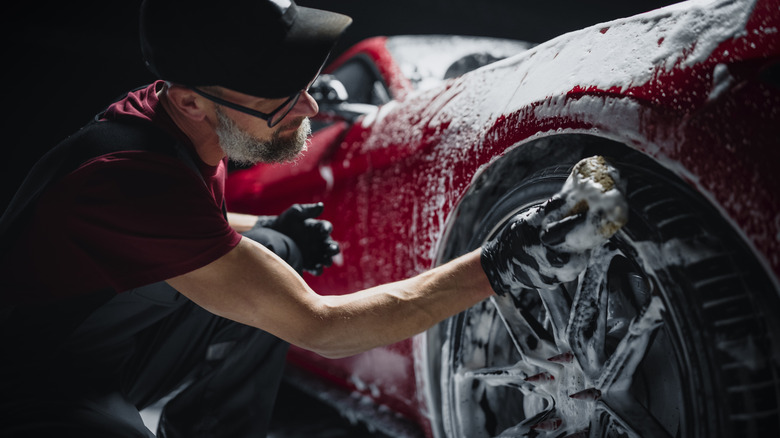
Whether you're driving your car only once every couple of weeks or every single day, it's only natural to want to keep it clean and looking its best. Regular washing is not just about aesthetics — it's also about longevity, performance, and even your safety; after all, a dirty windshield can be harder to see out of, which could make night driving downright dangerous. As easy as this practice sounds, you should know that there are dos and don'ts of car cleaning. There are some mistakes people often make when washing their cars, and one of the most common, is using water of the wrong temperature.
When cleaning your car, you'll probably want to use hot water; it reduces scrubbing effort and can be very effective at lifting stubborn oil stains and bird droppings. However, while it offers superior cleaning power, it's worth noting that hot water can also negatively affect your car's exterior by stripping away its coating. To avoid this, you might be tempted to use cold water. Given that it is not always the obvious option for deep cleaning, it's natural to wonder whether it can clean your car as effectively.
According to experts, cold water can be just as valuable as hot water, especially in specific circumstances. The result will depend heavily on the type of mess and the cleaning product you're using. If you're dealing with stubborn stains and road tar, for instance, frigid water will not clean your car as well as hot. On the other hand, if you're cleaning light dirt, dust, or fingerprints, cold water will work just fine, especially when paired with the best car soaps for your vehicle.
Knowing when to use hot versus cold water to wash your car
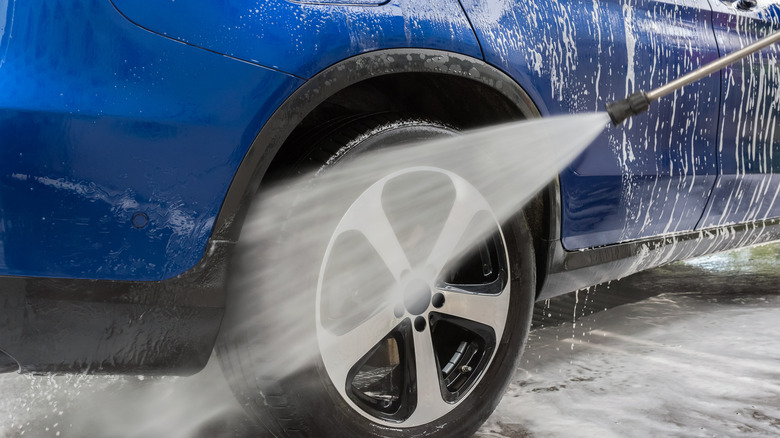
There are tools and materials you should avoid when washing your car if you want the best results, and choosing the right water temp is part of this process. As mentioned earlier, hot water is known for cutting through stubborn oil stains. If you're not cautious enough, however, it can strip away protective wax, damage your paintwork, and leave your car looking dull and shabby. You also run the risk of cracking or shattering your car's glass if you use hot water to clean it when temperatures dip below freezing.
Cold water, on the other hand, will reduce the risk of that thermal shock, especially in summer. It will also be gentle on your paint and won't damage your car's aesthetics, especially if you have chrome accents, decals, or vinyl wraps. Cold water cleaning will also help you save on utility costs, as it's more energy-efficient. The only true downside is that it doesn't clean as quickly as hot water; cold water will require more dwell time and a lot of elbow grease to get the job done. Additionally, it won't be effective at lifting tough oil and grease stains.
If you want to clean your car the right way, experts recommend you use lukewarm water (around 100 degrees Fahrenheit). It's often the safer option for removing stubborn oil stains because it will not damage your paintwork or strip away protective wax. Additionally, lukewarm water is a good choice if you're using an enzymatic car wash soap; enzymes in most cleaners and detergents work better in warm water, thus enhancing its ability to cut through that dirt and grime. This way, you'll be able to clean your car faster, easier, and much more thoroughly.