

How Much The Average Used Car Price Has Gone Up In 2026, According To JD Power
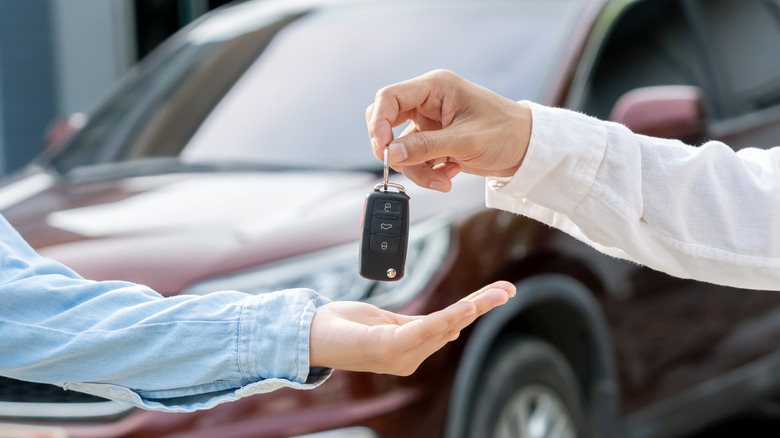
Although the pandemic-era semiconductor shortage is firmly in the rear-view mirror, it has caused lasting effects for used car buyers. A new report from JD Power claims that the increasing price of used cars is primarily down to a lower supply of used vehicles from the pandemic years, when factory shutdowns and supply chain squeezes resulted in fewer vehicles being built.
According to the report, the average price of a used vehicle in 2026 is $30,166. That's $860 higher than the year prior. The good news for used car buyers is that the coming years should see supply levels increase, since demand in the new car market still remains high. This is despite rising fuel costs and increasing concerns about a lack of affordable new vehicles. In total, JD Power predicts that 16.3 million new cars and trucks will be sold in the U.S. in 2026.
Newer cars are also significantly more fuel efficient, which the report says will help shield both new and lightly-used car buyers from rising gasoline prices. However, Thomas King, president of JD Power OEM Solutions, says that "there is no doubt that the current situation in the Middle East will make things more difficult to predict over the near-term."
Some cars hold their value better than others
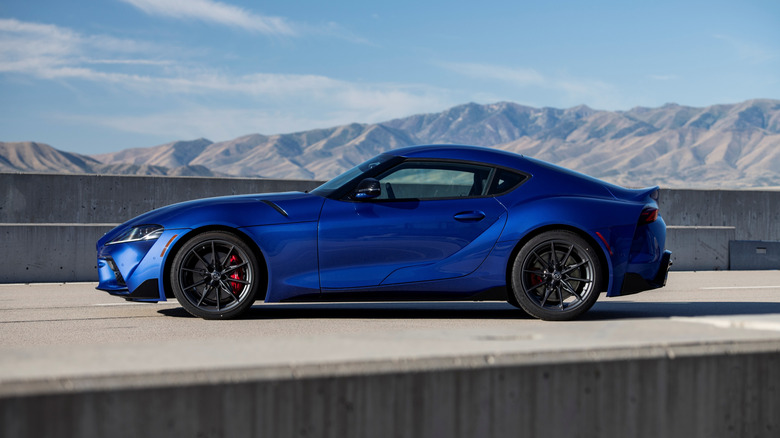
Thanks to rising fuel prices and geopolitical uncertainty, cars with strong fuel efficiency figures tend to hold their value well. However, they're not the only cars that are currently seeing resale values remain high. Used car buyers are also willing to pay higher prices for gas-powered sports cars, with models like the Toyota Supra and Porsche 911 remaining among the most sought-after five-year old models.
Many of the worst depreciating cars and SUVs are luxury models, which tend to come with higher running costs and a more mixed reliability record. Large luxury SUVs like the Infiniti QX80, Cadillac Escalade ESV, and Audi Q7 depreciate particularly quickly. Some EVs are also seeing their resale values drop especially fast, with Tesla Models like the X and S scoring poorly for value retention.
It isn't just luxury EVs either, since cheaper EVs with lower range like the Nissan Leaf also depreciate quickly. While their resale figures might make for disappointing reading for new car buyers, used car buyers might find that they can score a good deal on a well-depreciated luxury or EV model, if they can accommodate the additional running costs or potential range limitations.