

These Are The Only Car Brands Less Reliable Than Jeep, According To JD Power
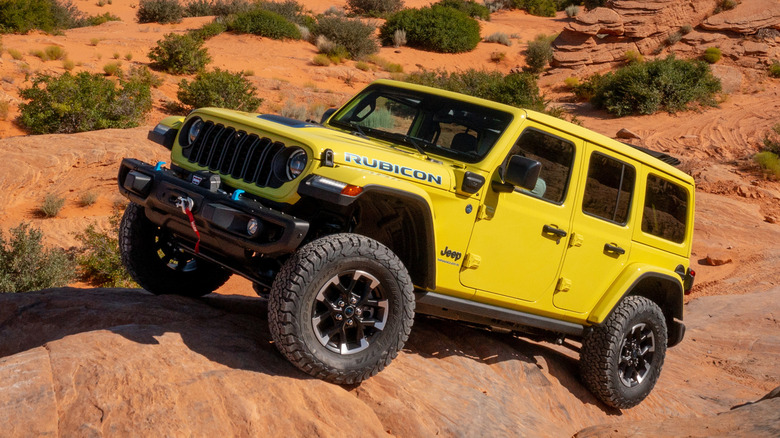
Just as there are car brands that are good enough to achieve the highest ratings on the JD Power 2026 U.S. Vehicle Dependability Study, it is inevitable that there are also brands that will end up settling at or near the bottom of those same studies. One of the less successful brands to appear in this JD Power study is Jeep, which ranked fourth-worst in the JD Power VDS rankings.
Jeep scored a rating of fourth from the bottom with a JD Power VDS score of 267 problems per 100 vehicles. This comes to an average of 2.67 problems per individual Jeep brand vehicle in this study.
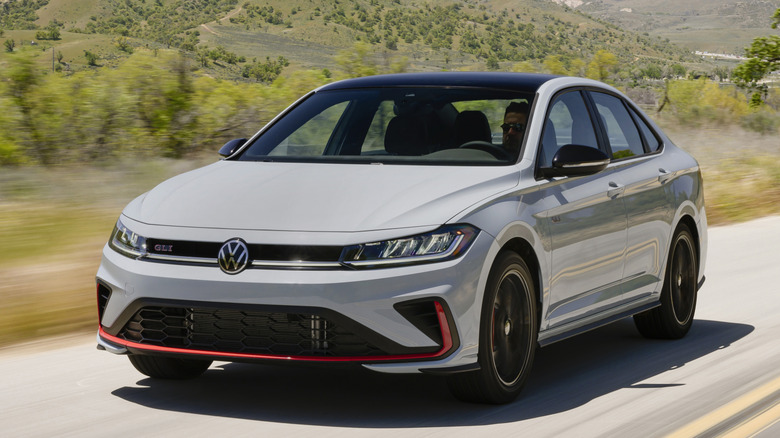
There were three brands that finished lower than Jeep in the JD Power VDS study. They included Land Rover in third from last place, Volvo in second from last place, and Volkswagen at the bottom of the rankings. For purposes of comparison, Land Rover had a JD Power VDS score of 274 problems per 100 vehicles, Volvo had a score of 296 problems per 100 vehicles, and Volkswagen had the worst score of all, coming in last at 301 problems per 100 vehicles. So it should come as no surprise that JD Power named it as its least dependable car brand in 2026.
What is the JD Power 2026 U.S. Vehicle Dependability Study really about?
The results of the JD Power 2026 U.S. Vehicle Dependability Study are heavily dominated by problems caused by the increasing complexity of the software and technology in the vehicles we drive. In the words of JD Power, "With modern vehicles now running more lines of code than early space missions, owner perceptions of vehicle dependability have become increasingly influenced by technology performance and software glitches."
These issues have increased the sheer number of problems in cars to a level never before seen since the JD Power VDS study was redesigned in 2022. Infotainment systems were the source of most problems, accounting for 56.7 problems per 100 vehicles. Issues like these are compounded by the fact that the average owner keeps their vehicle longer.
There were several findings from the JD Power 2026 VDS study. One of these regarded over-the-air software updates. Of the vehicle owners who received an OTA, 58% reported no improvement afterward, while only 27% noticed any improvement. The top technology-related issue in the 2026 study, responsible for four of the top five specific industry problems, was the integration of mobile phones into the vehicle's system. The problems reported in this area included connectivity with the OEM app, wireless charging, Android Auto and Apple CarPlay connectivity, and Bluetooth issues. Taken together, these phone integration issues accounted for nearly half of all reported problems in these vehicles. In spite of this, JD Power has also released a list of the most dependable cars you can buy.
What should we take away from the JD Power 2026 U.S. Vehicle Dependability Study?
Above all, the JD Power 2026 U.S. Vehicle Dependability Study lets us in on the specific issues that are most important to today's car buyers. Because we are so attached to the experience that we get from our mobile phones, we want the transition of the phone into the vehicle's ecosystem to be smooth and trouble-free. When it's not, and there are problems with the phone-to-car connection, we get upset.
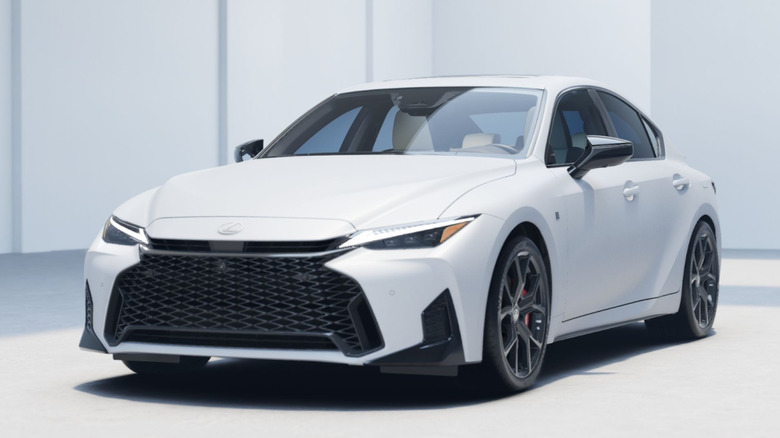
But with that in mind, we should also remember that there were cars that did much better in the JD Power VDS study than did the Jeep brand and the three brands that finished below it. The top-rated brand was Lexus, which achieved a study-winning score of 151 problems per 100 cars, hitting the highest dependability rating for both luxury and mass-market vehicle brands. A Lexus model, the IS compact sport sedan, also took top honors for the highest-rated individual vehicle in the study, while two additional Lexus models, the UX and the GX, received awards in their respective segments.
So bottom line, the JD Power 2026 U.S. Vehicle Dependability Study had winners as well as losers. And even though the JD Power VDS study has gravitated more toward issues generated by the technology in our vehicles, the study demonstrates that our ongoing focus remains on vehicles that just work without causing us undue aggravation. Whether we will ever get there is an open question, one that will likely keep JD Power in business for a long while.