

Are High-Mileage Toyotas Still Worth Buying? Here's What You Should Know
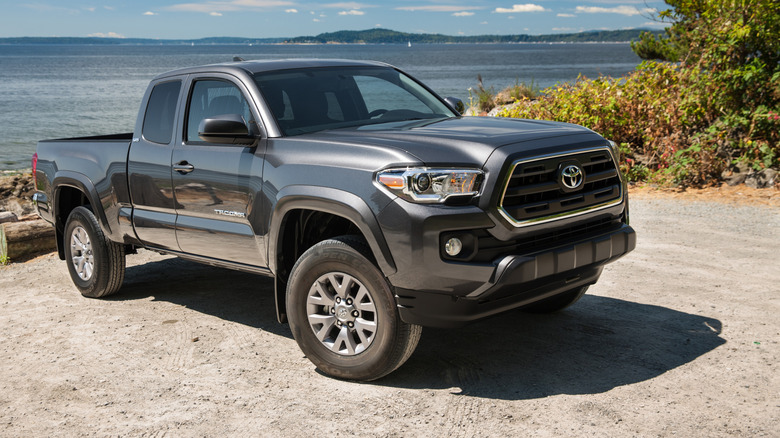
When it comes to vehicle reliability, Toyota is often ranked among the best — and there are some good reasons why Toyota earned this reputation. While Toyota vehicles are not immune to issues, much of the brand's popularity is driven by the reliability of its old and new models, even as the miles pile up. Many Toyota car and truck models are known for lasting hundreds of thousands of miles – and sometimes over a million miles – without needing major repairs or replacement parts.
That's why new Toyotas often win out when it comes to factors like longevity, resale value, and overall cost of ownership. But what about on the used market? Used Toyotas, even those with high mileage, are always in demand — even more so with today's high new car prices. After all, shouldn't all the things that make Toyotas such a sensible new car purchase make them an even better purchase on the used market? This is where things get a little complicated, because that high resale value and reputation for reliability can become a double-edged sword when making a smart used car purchase. Let's find out why.
Don't just look at the badge
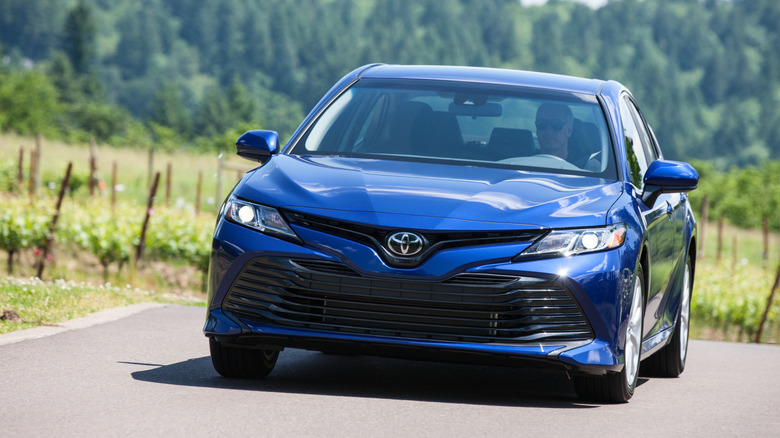
First up, while Toyotas are generally reliable and inexpensive to maintain overall, this doesn't mean they will never need repairs. Sure, the Toyota badge might offer peace of mind, but there are components on a car that are likely to fail once they hit a certain age and mileage, regardless of how reliable it is. Even if their engines and transmissions are stout, parts like catalytic converters, coil packs, O2 sensors, and various gaskets are normal failure points on older, high-mileage cars. Toyotas are not exempt from these issues, which can at times be costly to repair.
Because Toyotas have a public reputation for being reliable, some employees at Toyota dealerships have claimed that owners believe their Toyotas are invincible, causing them to neglect their cars. In my own experience, I've found that sellers of used Toyotas regularly brush off significant mechanical issues or broken parts by talking up Toyota's supposedly bulletproof reputation.
This doesn't mean that older, high-mileage Toyotas can't make for smart used car purchases. It's just important to understand that high-mileage cars will always have risks, no matter which badge is on them. In most cases, you'll learn a lot more about a given car by talking to the seller, asking for maintenance records, and considering the car's overall condition rather than by looking at the badge or the number on the odometer.
Sometimes new is better than used
The most important thing to consider when looking at a used, high-mileage Toyota — or any used Toyota, really — is how much you are actually saving over a lower mileage or even brand new model. That high resale value that Toyotas are known for? It's great when buying new, but the flip side is that used buyers pay more, with those high prices often extending to cars with high mileage. This is especially important if you're shopping for more expensive used cars that would require financing.
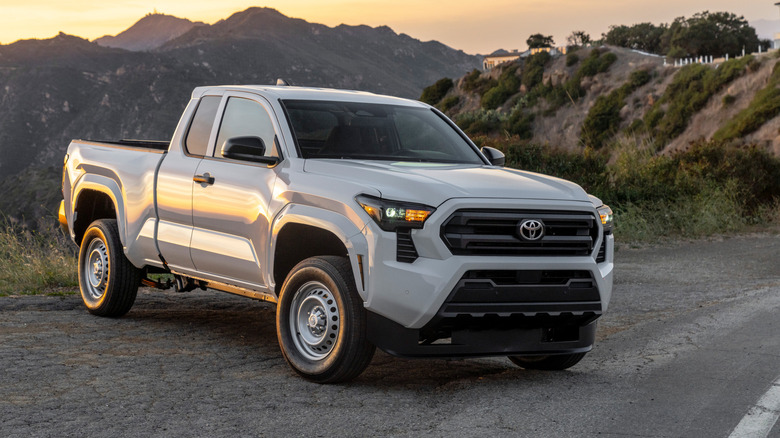
As an example, let's look at used, higher-mileage Toyota Tacomas — a truck well known for its reliability and resale value. At the time of writing, CarMax is asking $24,000 for a 2019 Tacoma SR with 125,000 miles. Sure, it may be reliable, but that's a lot of money for a seven-year-old, base-model pickup with over 100,000 miles on it and no factory warranty.
On the contrary, a brand-new, next-generation 2026 Tacoma SR can be had for a price in the low $30,000s after dealer discounts. Yes, it's more expensive, but you're getting a brand-new truck for a fairly small premium — and the new Tacoma should enjoy similarly good resale value. This is the case with many popular Toyota models on the used market. Ultimately, while high mileage shouldn't scare you off from a used Toyota, it's important not to overpay for a worn-out, used vehicle just because of the brand's reputation.