

5 Tips To Keep Your Air Conditioner Running (Even During A Heat Wave)
We may receive a commission on purchases made from links.
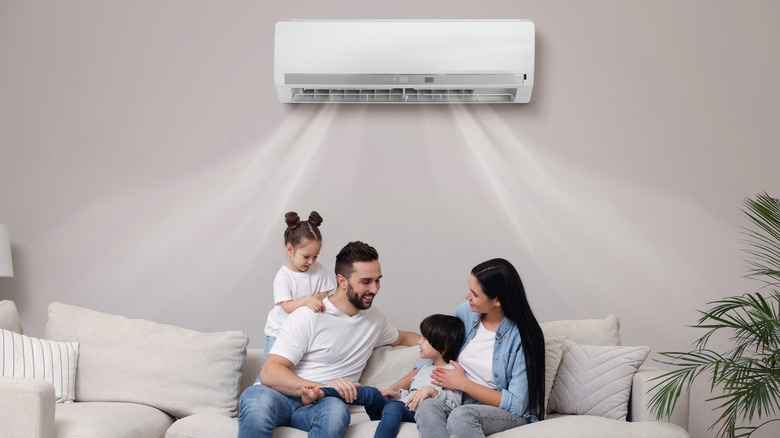
Using air conditioners is one of the best tricks to beat the intense summer heat. However, higher temperatures put extra strain on the air conditioner, as the compressor has to work harder to remove heat from the environment and produce colder air. Nonetheless, life without AC in summer becomes unbearable, as the heat takes a toll on your productivity and energy levels because the body is working extra hard to maintain a consistent internal temperature.
We have come up with a few tricks to help maintain your air conditioner's efficiency even during heatwaves, so that it does not succumb to the added pressure. For ideal performance, you should perform monthly maintenance checks on your AC unit. Inspect the filters, coils, and compressor for any built-up dust or other issues, and fix them timely before they turn into bigger issues.
On a side note, if you think leaving your AC on for the entire day will increase your energy bills, that might not be the case. Turning your AC off and on each day may harm the unit. As per an experiment by the New York Times, the AC unit that ran continuously consumed less energy than the one that was turned off for a while. Just raise the temperature when heading out and you are good to go.
Clean and replace filters regularly
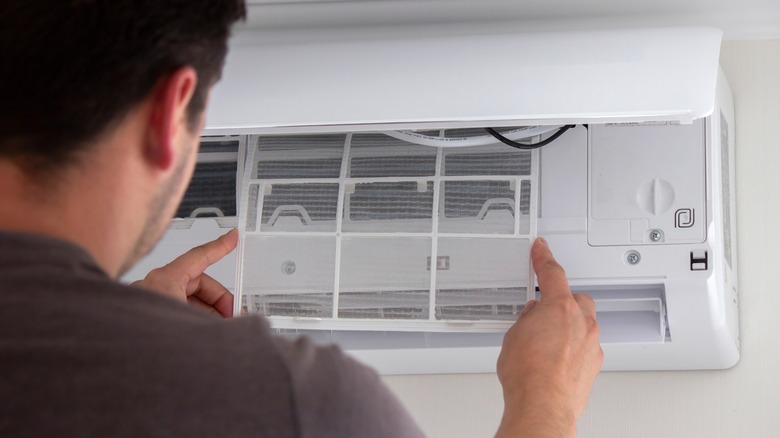
This goes without saying, but proper maintenance of any electrical equipment is necessary to keep it running efficiently for a longer period. Similarly, AC units have filters that trap dust and other microparticles in the air before it's released back into the room through the Heating, Ventilation, and Air Conditioning (HVAC) system. Trapping such contaminants is important so they do not damage the AC's coils and the blower unit.
Therefore, you need to clean or replace these filters, ideally every month or two, as per the U.S. Department of Energy, especially during intense heat months, to obtain maximum performance out of your AC unit. Apart from this, you should also regularly inspect the indoor evaporator coil, as it also tends to accumulate dust.
One simple way to clean both these parts is by using a soft brush or a hand vacuum. For the filters, you would need to remove them from the unit, clear the dust using a vacuum or similar tool, and wash them under running water until the dirt is removed. But make sure to dry the filters before reinstalling them. Following this practice regularly can help ensure optimal airflow and efficient cooling without putting too much strain on the AC.
Block as much sunlight and heat as possible
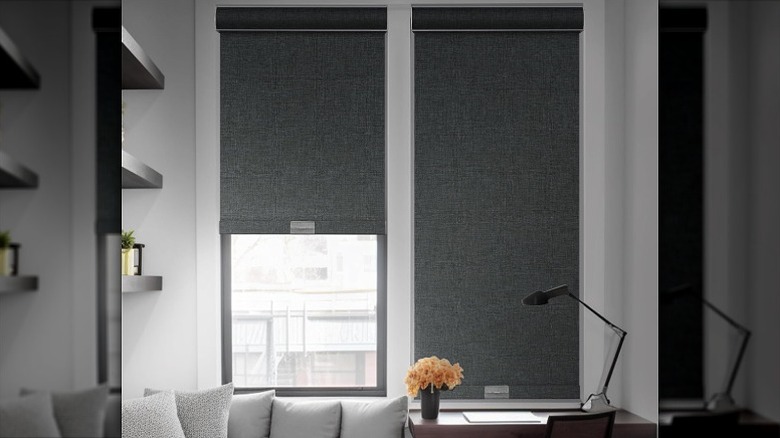
If there's a lot of sunlight coming into your house via windows, curtains, doors, and other channels, it contributes to raising the indoor temperature by a few degrees. To avoid this, install blackout curtains, such as the Booleegan Blackout Roller Shades, that keep the sun's rays outside so that the internal temperature is maintained.
You can also install window films — thin, reflective adhesive sheets applied to windows — to block out UV rays and the sun's heat from entering the house. This way, you will also stay protected against the harmful effects of UV rays.
Other ways to keep the indoors cooler include minimizing the use of heat-producing appliances, especially during the daytime, such as ovens and stoves. Consequently, the internal temperature will not go up by significant margins, so the AC can be more effective in keeping the environment cool and comfortable.
Maintain some space around the outdoor condenser unit
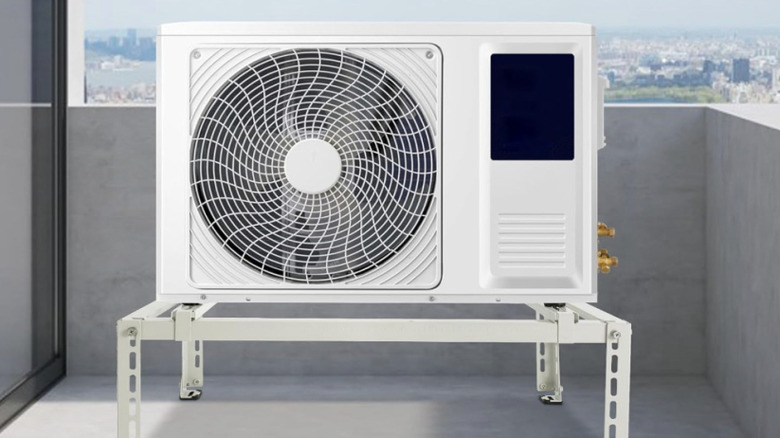
The outdoor condenser unit is one of the most important components of your HVAC system, as it releases heat captured from the indoor air into the outside environment. Therefore, correct placement of the condenser unit is critical to ensuring proper air circulation. When installing the unit, ensure there are at least a few inches of empty space on all four sides of the unit, and also make sure that it's not covered or obstructed by any tree branches.
Moreover, do not place it directly under sunlight, since doing so will cause the unit to overheat, reducing its efficiency in removing hot air. Also, do not place it directly against the wall; maintain a gap between the two.
Additionally, mount the condenser unit on an elevated and stable surface, such as a leveled brick or a concrete pad. Or you can also purchase ground stands for easier placement. Doing so prevents water pooling and ice buildup around the unit. Hence, maintenance of the condenser is important, and you should inspect it regularly to clear any dirt and debris.
Use a ceiling fan to circulate cool air
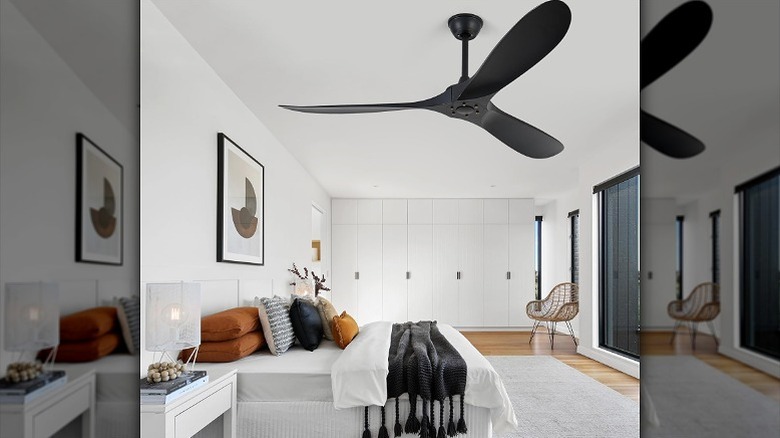
A common myth around using ceiling fans with air conditioners is that it dissipates heat trapped in the walls of the room, thereby reducing the effectiveness of the cooling produced by the air conditioner. However, that's not true. As per the U.S. Department of Energy (DOE), ceiling fans can be used alongside air conditioners to enhance the cooling effect in the room. Operate them in a counterclockwise direction to experience a cool breeze that will be circulated around the room.
Moreover, place the ceiling fan at least eight feet above the floor and in the center of the room to obtain maximum air circulation. DOE also suggests that combining the two cooling methods allows you to raise the thermostat by four degrees Fahrenheit; hence, you can adjust the AC temperature accordingly. This will reduce the strain on the compressor, which can positively impact your monthly energy bills.
Use a smart thermostat to maintain optimal temperature
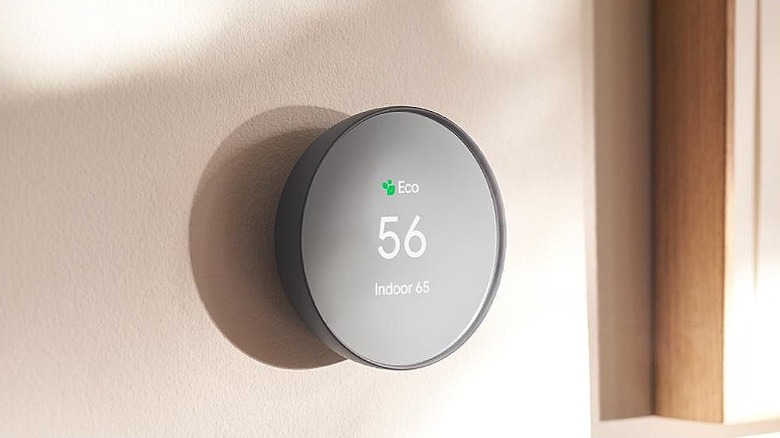
Smart thermostats allow you to save money by letting you remotely control temperatures via your smartphone, no matter where you are. Not only this, but you can also create schedules and set timers to maintain optimal cooling in your home.
The correct way to use thermostats with air conditioners, according to Scientific American, is to raise the temperature by seven to eight degrees when you are stepping out of the house; consequently, it will tell the air conditioner to reduce cooling output. Then, change the thermostat setting back to normal when you are about 15 to 20 minutes away from home so it can restore cooling levels.
As a result, you will come back to an optimally cool house. This method will also help you save energy and lower the workload on the AC during heatwaves, as exhausting the machine can cause it to break down.
Some of the best smart thermostats, such as the Google Nest Thermostat, also send you alerts regarding the operation and maintenance of the HVAC system, such as the AC running longer than expected, so you can take actionable steps to protect the health of your machine. It also uses smart sensors to detect when you have left the house and automatically adjusts the temperature.