

4 Ways To Improve Your Car's Ride Quality

Improving the ride quality of your car can be done in several different ways. While some of these are useful tips that you can use as your car ages and various parts of your car start to wear out, others are tips on what not to do if you want to retain and even enhance your vehicle's ride quality.
As you might expect, most of these ride quality-improvement strategies will have something to do with those parts of your car that are primarily responsible for the way that your car travels down the road. These components include your wheels, your tires, and the numerous parts that make up your car's suspension system.
Keep in mind that these upgrades can be done whenever it is time to replace the various components, whether it happens to be wheels, suspension parts, or tires, where higher tire speed ratings mean a harsher ride. For this article, we will focus on ways to provide your car with a smoother, softer, more comfortable ride, along with a few examples of what not to do.
Upgrade your tires
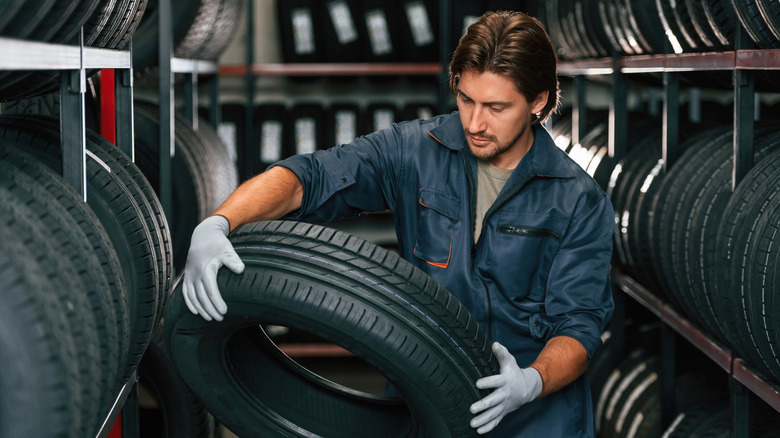
If you want a better-quality ride and you are considering high-performance tires, think again. Hi-po tires tend to have stiffer sidewalls for quicker response, which directly relates to a harsher ride quality. Instead, consider a touring-style tire with softer sidewalls, which will give you a much smoother ride. An all-season touring tire will typically last longer than a performance tire as well, giving you more bang for your tire-buying dollar. Remember that the cheapest tires may not give you the best ride quality, so check the reviews, such as the rankings of major tire brands, to find those that rate the highest in the ride department, and buy the best tires that you can afford.
Beware that your choice of tire should also reflect the climate conditions you will face. So if you live somewhere with harsh winters, dedicated snow tires are recommended to keep you safe during the months that you must deal with freezing precipitation. You can switch over to touring tires for the warmer months of the year. Keep in mind that whatever type of tires you use, they should be rotated at the interval specified by the vehicle manufacturer, so that you will be sure to get the maximum number of miles out of them. The benefits of doing this include evening out the tread wear so that you get the excellent levels of braking and handling you expect. Keeping the proper amount of air in the tires is also very important.
Keep your wheels the same size or go one size smaller
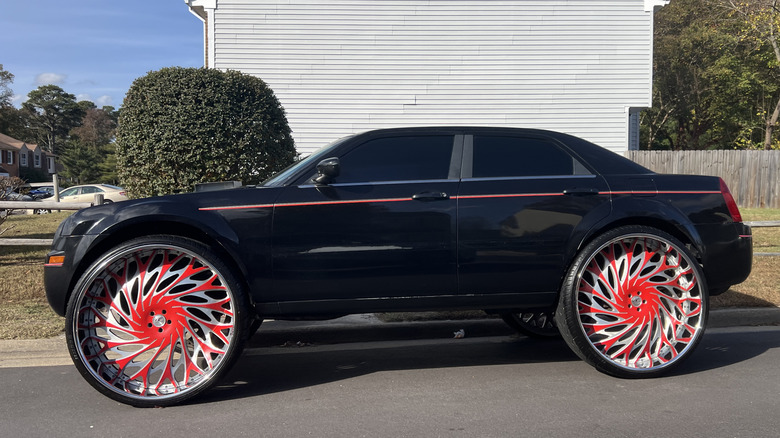
You may be attracted to oversized wheels like those shown above, but this setup will give your car the exact opposite of improved ride quality. The problem with this is based on the tiny amount of sidewall height that remains when you convert your car to these excessively large wheels. While it may look cool, there is a minimal amount of sidewall to protect your wheels and tires, resulting in bent rims and blown tires if you drive on anything but perfectly smooth roadways. If you decide to go down this road, you'll want to make sure you understand donk car culture before you get started on building one.
For the best ride quality, it is recommended that you either stick with the same size wheels as those your car originally came with or go down by one size, for example, from 16-inch wheels to 15-inch wheels, if your car's manufacturer permits it. This is typically a function of whether the smaller wheels will fit over the existing brake and suspension parts that are already fitted to your vehicle. If it is possible to go to smaller wheels, you can likely use a higher-profile tire with more sidewall that will give you a better ride. Remember that entry-level trims usually have smaller wheels that may give you the best ride quality, so spending less for the car may pay off in terms of the ride. It's something to think about.
Replace your shocks and/or struts with the right type -- and check the bushings
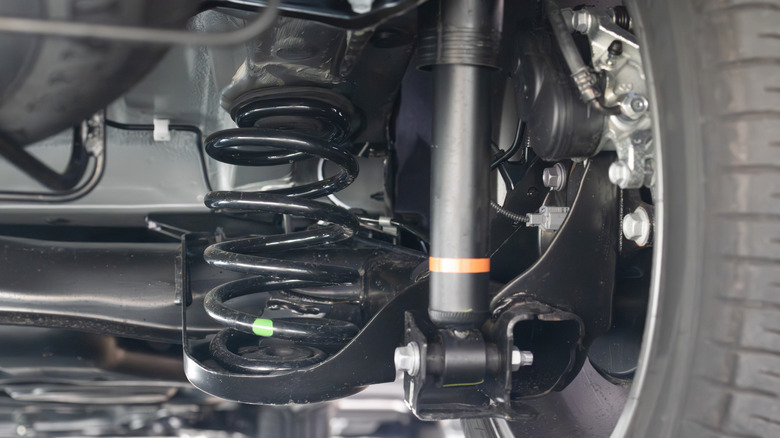
The parts of your suspension that directly affect the way your car rides are the shock absorbers and/or the struts. It's important to keep in mind that there are differences between car struts and shocks. Your vehicle may have all shocks, all struts, or two of each, depending on its design. However, the count breaks down; both the struts and the shocks are directly responsible for your ride quality. Over time, these key suspension components gradually wear out, making it more difficult to pinpoint exactly when they need replacement.
There are many factors that play a role in how fast your shocks or struts will wear out, including how much of a load your vehicle carries, the nature of your particular driving style, and the prevailing conditions on the roads that you drive. Some warning signs that your shock absorbers or struts might need replacing are fluid leaking from them, unusual clunking noises, uneven wear on your tires, too much bouncing motion after you hit a bump, or steering wheel vibrations on smooth roadways.
While you are checking on the condition of your shocks and/or struts, you have an excellent opportunity to verify the condition of your suspension bushings as well. The bushings, usually made of rubber and metal, reduce vibrations and noise between the parts of your suspension and steering systems, while also preventing metal-to-metal contact from occurring. You or your mechanic can perform a visual inspection to check the condition of your bushings and replace the ones that are worn.
Maintain the proper ride height

There are a number of ways that your car's ride height can get out of whack. One of these is worn-out springs, which can sag after many years of pounding received on roads and highways. This can cause the body to ride lower than normal, relative to the wheels. This can cause one side of the car to sit lower or higher than the other, the rear may be higher than the front, or the entire vehicle may sit too low. It may indicate that your springs should be replaced along with your shocks or struts. Some symptoms of this include deteriorating handling, noises from the suspension, uneven tire wear, and frequent bottoming out after hitting a bump. Replacing the bad springs should greatly improve your car's ride quality.
Another source of ride height issues can be caused by cars equipped with an air suspension, a common problem according to BMW X5 owners. These vehicles use an air pump to maintain pressure in air springs mounted at each wheel. If the pump malfunctions or the air springs leak, the ride height can be affected. Repairs should restore the quality of your ride.
Ride height can also be affected when lowering the suspension by cutting the car's springs. While this will firm things up, ride quality will definitely deteriorate. If you go too far, reducing ride height by more than two inches, you may also experience unintended metal-to-metal contact, as parts of the vehicle that were never intended to touch each other do so.