

How The US Air Force Is Training Its Missile-Dodging AI 'Pilots'
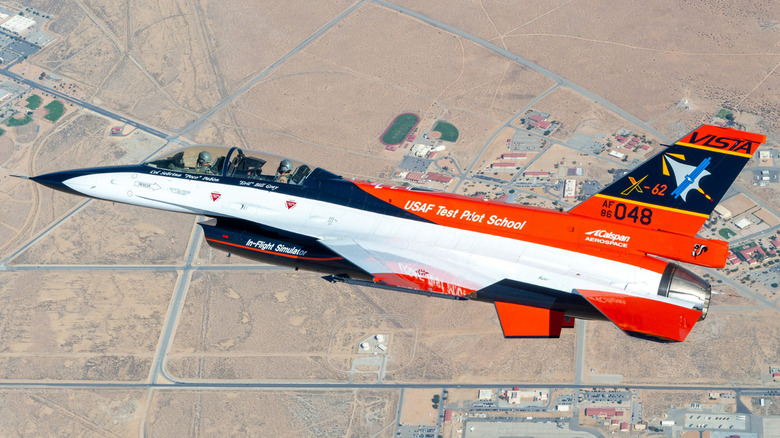
AI is being integrated into various militaries around the world. That includes the U.S. Air Force, which is now testing autonomous flight control using a modified F-16. This AI-controlled aircraft, called the X-62A Vista, takes human pilots out of the equation with the goal of perfecting missile evasion maneuvers. It may sound like Iron Man come to life, but it's a real project using advanced technology.
The project is called Have Remy. It is a joint effort between the U.S. Air Force and Lockheed Martin, which is also using fighter jet AI to spot enemies humans can't see. Have Remy begins with computer-based training, where AI flight software is developed and tested in random simulations. These simulations involve different environments, and each allows the AI to improve and move further ahead. The goal is for engineers to refine the technology over time so it can then be utilized during real-world flights.
Only the top-performing AI configurations were selected for the final round of testing, which took place over Edwards Air Force Base in California. For this part, human pilots took the X-62A Vista into the air and then handed off the controls to the AI using a computer tablet inside the plane. The AI carried out the planned maneuvers in the simulated missile environment, with pilots standing by to take over if needed.
AI pilots and the future of flight
Lockheed Martin's Skunk Works division, responsible for developing AI for real-world flights, played a major role in the Have Remy project. Coordinating with the U.S. Air Force Test Pilot School, Skunk Works engineers worked alongside students who helped shape the AI's training and provided feedback.
The broad adoption of AI in high-performance military aircraft is a hotly debated subject, however. Some argue that allowing AI to perform military actions once handled by humans could dangerously remove a layer of accountability embedded in warfare. This is especially true in hectic combat missions, where the human factor is hard to automate, and essentially replace.
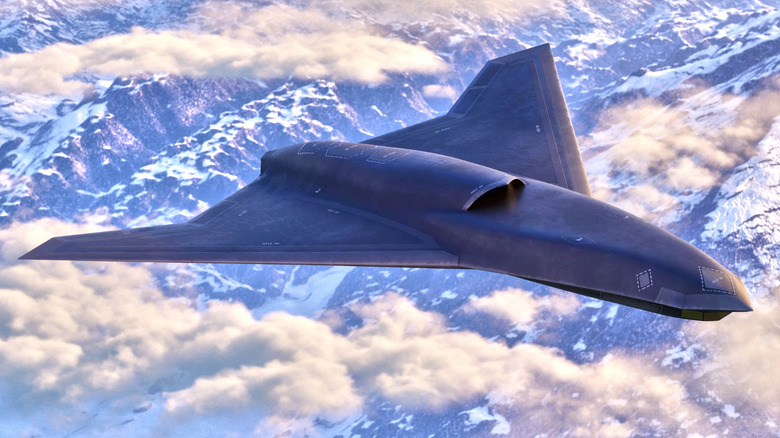
Nevertheless, these systems continue to be developed. Skunk Works made headlines in the fall of 2025 with the introduction of the Vectis combat drone project, a next-generation collaborative combat aircraft. The Vectis is intended to work alongside a variety of aircraft using different systems. It incorporates autonomous flight systems and stealth technology. The drone is currently under development for potential integration into U.S. and allied military forces.