

This Tech Is What Drives The Auto Industry's Top Problems, According To JD Power
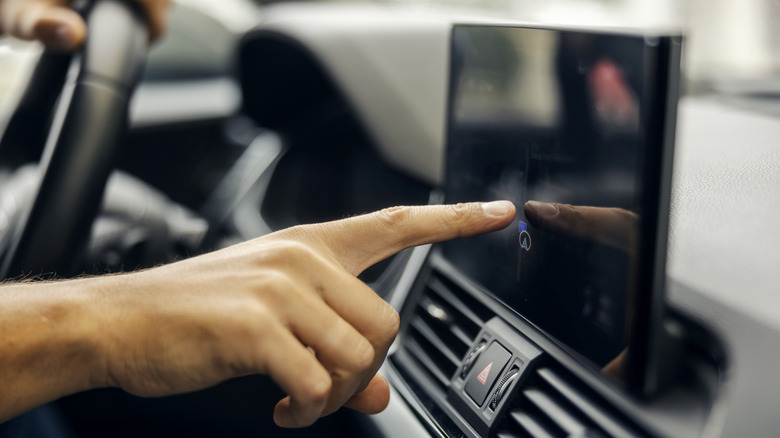
Every year, cars continue to get smarter as automakers launch new tech and improve existing systems. In theory, this is a good thing, but in practice, more tech can mean more things to go wrong. The 2026 Vehicle Dependability Study by J.D. Power reports that software and technology issues are now the leading cause of owner-reported problems with new cars, with infotainment systems being particularly problematic.
In its survey, infotainment faults were by far the most frequently reported type of problem, being responsible for 56.7 problems per 100 vehicles. The next most common type of problem was a car's exterior, which accounted for 27.5 problems per 100 vehicles. Infotainment problems have become so frequent, that J.D. Power is planning to change its survey methodology for its 2027 edition, collecting data across the whole year and relaying it to manufacturers, just so they have a chance to identify and fix problematic in-car systems earlier.
While there are many different recent infotainment systems that we feel missed the mark, J.D. Power's survey shows that not every new car is so problematic. It crowned Lexus as the least problematic car brand, followed closely by Buick and Mini. Although Lexus' infotainment touchpad featured on our list of the most disappointing systems, the brand thankfully phased the touchpad out a few years ago in favor of a more conventional touchscreen.
Over-the-air updates and smartphone integration are areas for improvement
Faulty infotainment systems can be a headache for drivers, but more manufacturers now use over-the-air (OTA) updates to tweak those systems after cars leave the factory. In theory, these OTA updates can eliminate any bugs or glitches in software quickly and conveniently, but J.D. Power says few customers are actually seeing the benefits. While 40% of survey respondents said that they knew their vehicle had received an OTA software update in the past year, less than 30% of those respondents reported that it made a positive difference to their car.
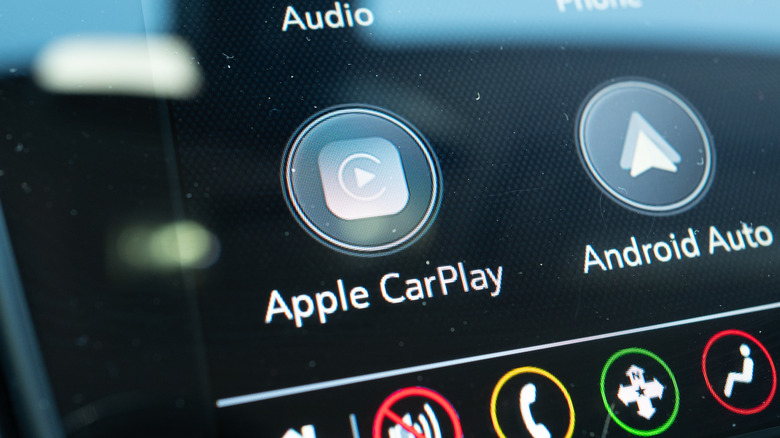
Another area that was criticised by respondents was smartphone integration, with Android Auto and Apple CarPlay connectivity being a particularly notable issue. Significant numbers of drivers also reported issues with wireless charging pads and Bluetooth connectivity.
Plenty of drivers prefer to use Google or Apple's systems rather than their car's native UI, and even many of the cheapest cars now include Android Auto and Apple CarPlay connectivity as standard. However, offering that connectivity isn't much use if the connection isn't reliable, and J.D. Power's survey suggests that plenty of carmakers still have significant improvements to make in that regard.