

What's The Average Lifespan Of A New Car Battery? What To Know Before You Buy

The battery is an often-overlooked car part, but it's arguably one of the most important. You need it to illuminate your headlights, activate dashboard controls, and, most importantly, to actually start your car. More importantly, degradation over time is a common problem that affects all batteries, including the lead-acid ones typically used in many vehicles. This leads to one of the major concerns that folks have when buying new car batteries: longevity. After all, car batteries tend to fail in the most inconvenient circumstances, and a faulty or dead battery is one of the most common reasons why your car won't start.
But exactly how long should a new battery last before you have to invest in a new one? On average, you can expect a new lead-acid battery to last between three and five years. More advanced batteries, like those that use absorbent glass mat (AGM) technology, typically last a bit longer (four to seven years). This figure is not a guarantee, of course; things like skipping car maintenance, forgetting to turn off the lights, and poor driving habits can significantly cut down your battery's lifespan. And when this happens, your car may begin to display some early warning signs that it's time for a replacement. These include sluggish engine cranks, weak alarm chirps, and dim headlights and interior lights, especially when the car is idling.
Factors that influence the lifespan of your car's battery
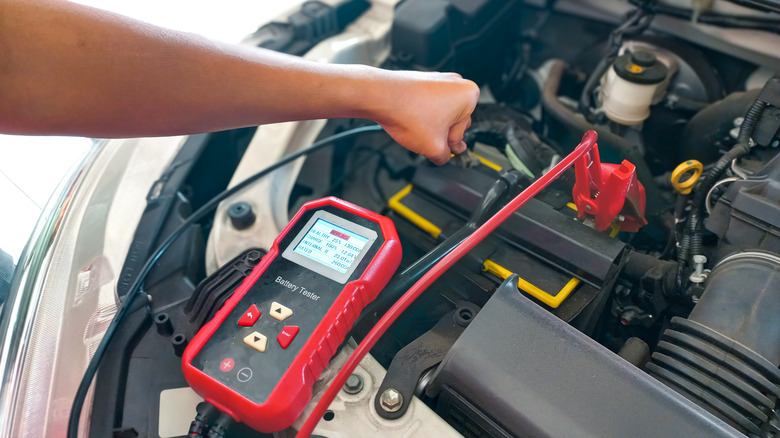
While most 12-volt car batteries have a lifespan of around five years, that can change depending on several factors. One of the most crucial for determining how soon you'll have to replace that battery is how you drive. If most of your driving habits involve making short trips too frequently, you'll be interested to know that short drives of under 20 minutes can be silent battery killers. Generally speaking, your car consumes a significant amount of power when you start the engine. This means that if you frequently engage in short trips, the alternator will not run long enough to recharge your battery. As a result, it will weaken and fail to last as long as it should.
Additional minor mistakes, such as leaving your car's radio or headlights on for extended periods, might seem harmless at first. However, doing so will lead to parasitic drain, which is one of the main reasons why your car's battery dies overnight, even with everything turned off. And while jumpstarting your vehicle with the help of a battery charger will probably bring it back to life, it's worth noting that constant parasitic draws will drastically diminish your battery's lifespan. As a result, you might have to replace a good battery sooner rather than later. Besides driving habits, extreme temperatures can negatively impact your battery's longevity and performance, as can dirty battery terminals and letting your car sit for too long without use.
Tips to prolong the lifespan of a new car battery
There's no denying that constantly buying and swapping out new car batteries is not just an annoyance but also an expensive hassle. And while there are car batteries from major brands that have earned high lifespan ratings from Consumer Reports, it's likely you want to do everything possible to cut down on car battery replacement costs.
One of the easiest ways to maintain and extend your car battery's lifespan is to avoid those short trips we talked about earlier. Drive your car around for at least 20 minutes on a regular basis every time you start it, as this way you'll keep your battery charged at all times. Even better, this will help protect your engine from potential wear. You'll also want to ensure that all your car's electronics and accessories aren't left on while your car is idling. Additionally, if you're planning to store your car for an extended period without driving it, it's wise that you disconnect the negative battery cable completely unless you want to invest in a trickle charger.
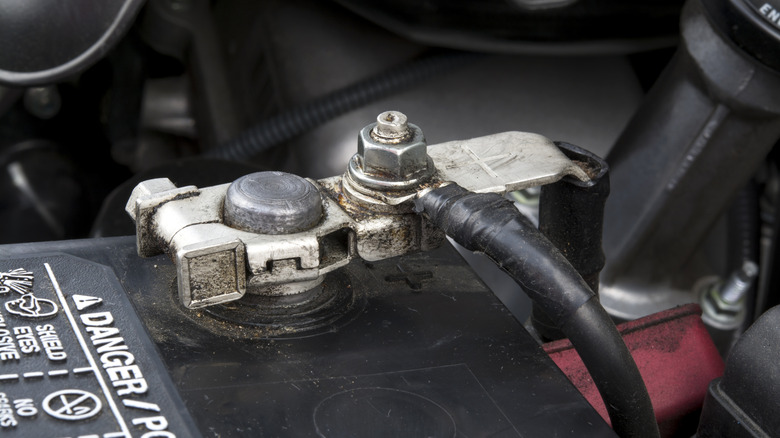
Keeping your battery's terminals clean can be helpful as well. Car batteries are prone to corrosive buildup, which can easily eat away at the metal terminals and do a number on its overall health. With this in mind, it's in your best interest to check your terminals for corrosion regularly and clean them up if you notice any. The good news? You don't need anything expensive for this task. You can use common household products like WD-40 Specialist Contact Cleaner and baking soda to remove any kind of buildup around the clamps and terminals. Lastly, you'll want to keep up with your preventative maintenance schedules. Even keeping your vehicle out of direct sunlight to prevent high temperatures from degrading the battery can be helpful.