

Who Makes Armstrong Tires And Where Are They Made?

Alongside the big global brands like Michelin, Continental, and Bridgestone, buyers shopping for a pair of new car tires are also likely to come across a range of smaller brands at their chosen retailer. One such smaller brand is Armstrong Tires, which offers a modest range of all-season, all-weather, and winter car tires across a range of segments. Some drivers likely won't have heard of Armstrong, but it was once one of the largest tire makers in the world. The brand was founded in 1912 in New Jersey, and over the following decades, it rapidly grew in scale. Its popularity peaked in the '60s, but after being bought out by Pirelli in the '80s, it slowly faded back into obscurity.
It might have been down, but it wasn't out just yet. When Pirelli decided to offload the Armstrong brand in the early '10s, it was snapped up by ZAFCO, a UAE-based company. ZAFCO had been operating an international division based in Florida since the late '90s, and took the acquisition of the Armstrong brand as a chance to build its presence in the U.S. market. Five years after it acquired the brand, ZAFCO officially relaunched Armstrong Tires in 2017. It opened a dedicated warehouse in Pennsylvania the following year.
While its global HQ is in Dubai and its U.S. distribution warehouse is in Pennsylvania, Armstrong's tires are not made in either location. The brand makes tires in a facility in Thailand, close to the nation's capital Bangkok. In late 2025, the brand announced it had also begun to produce tires at a newly constructed factory in Pakistan, primarily for the country's domestic market.
Armstrong Tires offers a competitive warranty
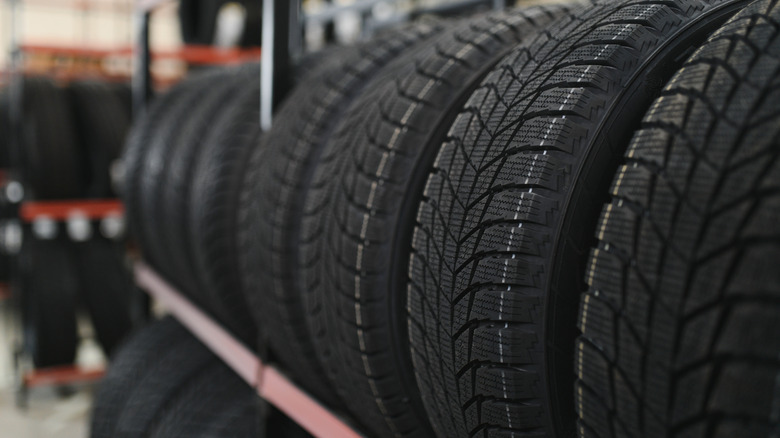
Tires can be an expensive investment, and so the best tire brands offer comprehensive warranties for added peace of mind. Although it's not quite as all-encompassing as the very best brands on the market, Armstrong's warranty is competitive given its affordable pricing.
The brand offers a 12 month no-cost warranty, and then offers credit towards new tires for a further five years. Each of its tire models also have a mileage warranty, and if the tread wears out earlier than the stated mileage, Armstrong will replace the tires at a reduced cost.
Any buyers who end up with a flat tire from hitting potholes or debris can also claim back a portion of their tire cost from Armstrong if they bought their tire within two years. Drivers who file a claim will either be able to recover a percentage of their repair costs, or if the hole in the tire is too big to fix, a percentage of their replacement costs.