

3 Ways To Improve The Air Quality In Your Garage
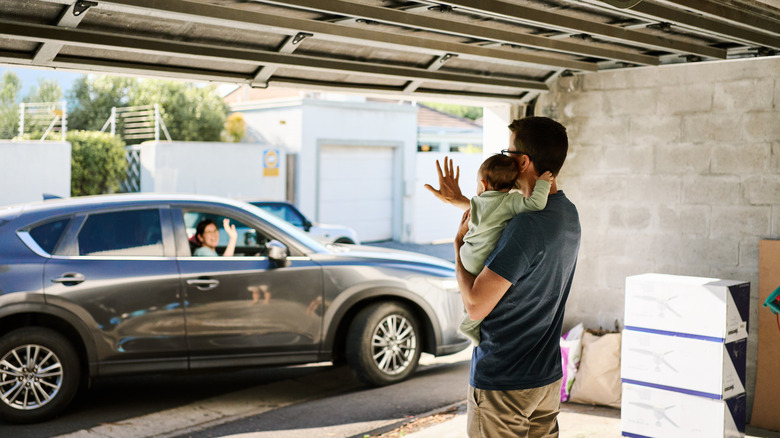
An attached garage is a sought-after perk to many homebuyers and renters. It shields you and your vehicles from inclement weather and cold temperatures, provides extra storage or workshop space, and even gives you extra security when you arrive home by yourself or late at night. It may have that particular odor that is oft-associated with garages — often stale, slightly damp, or even a bit acrid, but have you ever considered that whether you can smell it inside or home or not, the air in your garage may be harmful to you, your family, and even your pets?
Exhaust from your car; paint, cleaning products, and other stored chemicals; fumes from power tools or lawn care products; mold and mildew; and even the dirt brought in via your tires or shoes can all contribute to dangerous air quality in your garage that may seep into your home. It may feel like it's separate from your living space, but if your garage is attached to your home, those fumes and chemicals can easily circulate where you don't want them. And if your garage is detached, it could still be an unhealthy space for you and your family to spend any significant amount of time. Luckily, there are several steps you can take to ensure that the air quality in your garage is healthy.
Don't allow your vehicle to idle inside your garage
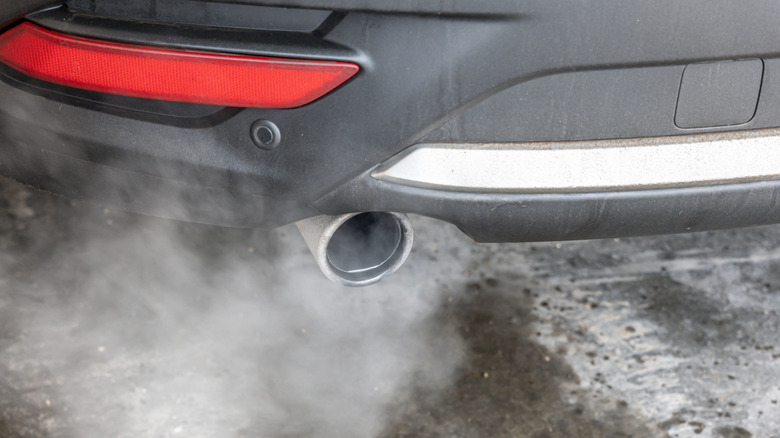
We all know that it's unsafe to start your car and let it run with the garage door closed, leading to potentially lethal levels of carbon monoxide, but it's also not a good idea to let your car idle even with that garage door open. The open door may not provide enough ventilation to clear the high levels of carbon monoxide that your car produces. A study conducted by Iowa State University found that warming up your car for only two minutes even with the garage door open raised carbon monoxide concentrations to dangerous levels, and measurable amounts remained even 10 hours later. If your garage is attached to your home, the air quality inside your living space could be affected as well.
Investing in an air quality monitor is a great idea, but if you want to warm up your vehicle on those cold winter days or you're simply waiting for your spouse or child to catch up before you head to the grocery store, pull your vehicle out of the garage. If possible, close that garage door while you wait to further reduce the risk of fumes in your home. The same goes for gas-powered tools: start them and run them outside.
Improve ventilation
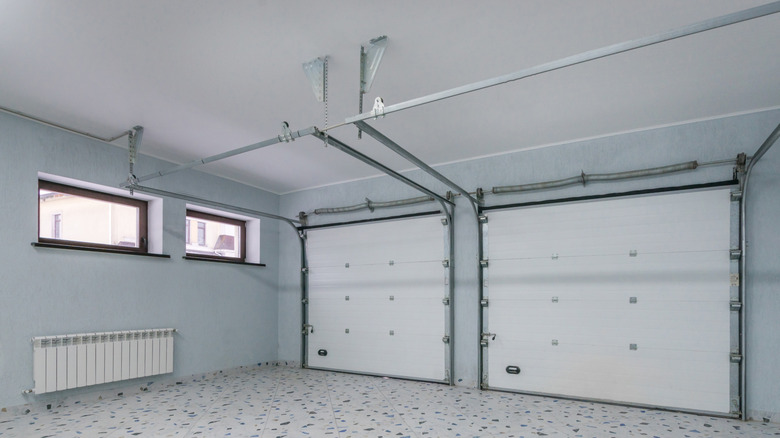
Ensuring that your garage is well ventilated will improve the air quality and offer other benefits, such as helping to control moisture and regulate temperature. Good ventilation will remove pollutants such as carbon monoxide and gas fumes from the air, help control humidity levels, and prevent heat from building up inside on those hot summer days, which can also reduce mold and mildew. There are several ways you can ventilate your space beyond installing exhaust fans, but those are a very effective way to clear the air. A powered system installed in the ceiling or walls works best, but a non-powered passive system that uses vents in the walls or garage door will also help. You can also use large fans to clear out fumes after a day in your garage workshop.
That fancy epoxy coating your neighbor installed on their garage floor doesn't just look nicer than a concrete slab, it can also help improve ventilation and keep the space cooler. If your budget allows and your space is currently windowless, installing windows on either side of the garage will also increase air flow and allow for cross ventilation.
Don't grill or smoke in your garage
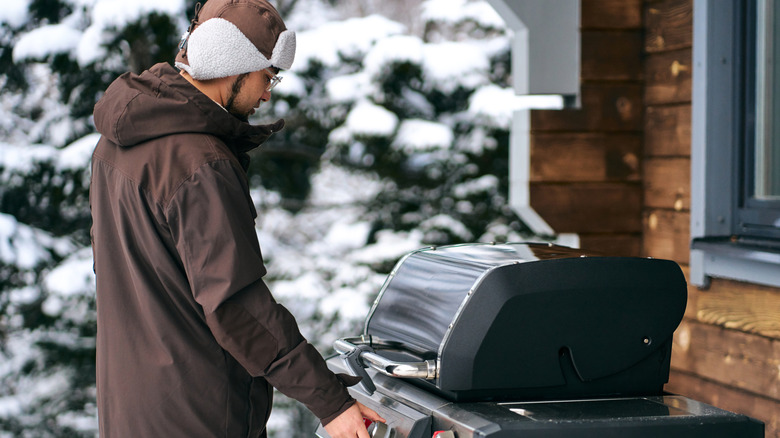
Rain on the Fourth of July. A craving for a charbroiled hamburger in January. You may be tempted to grill inside your garage for a number of reasons, but it's never a good idea, even if it does rain on that big holiday. Positioning your grill near the open garage door isn't enough, because both charcoal and gas grills produce carbon monoxide that can be dangerous inside a mostly-enclosed space. Remember, carbon monoxide is odorless, so you may not even realize that you're in danger.
Additionally, an open flame inside a garage is a hazard and could result in a fire that spreads to the rest of your home. If the weather isn't cooperating and you insist on that burger, try grilling on a covered patio (if it's open on all sides) or under a temporary pop-up tent, and remember, don't store the propane tank inside your garage.
If you're a smoker, step outside and avoid smoking in your garage. Not only can the smell permeate inside, it's also a fire hazard, especially if you discard cigarettes near paint or other chemicals.