

The Samsung Galaxy S26 Ultra Comes With Some Powerful Camera Upgrades
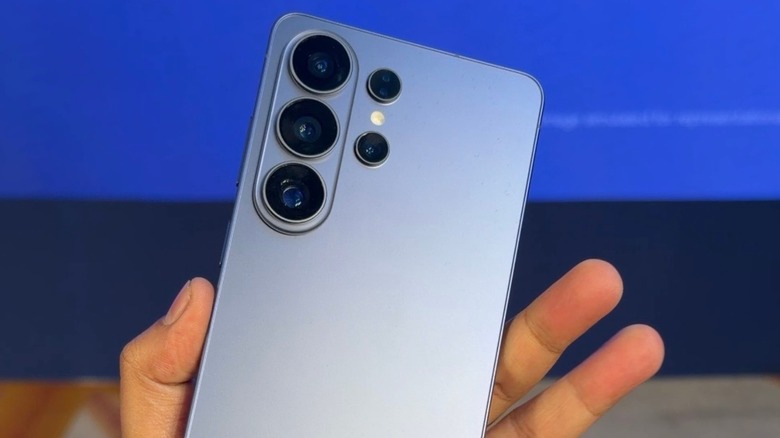
Samsung's latest flagship, the Galaxy S26 Ultra, is ready to hit the shelves in the coming days. On the surface, it looks like a minor design rehash of the Galaxy S25 Ultra, with only iterative upgrades like a new chip and some new software tricks. The absence of built-in magnets for Qi 2 wireless charging, higher-resolution sensors, and the lack of Bluetooth controls for the S Pen came as a bad surprise. But Samsung's camera-centric flagship didn't arrive without its own fair share of imaging tricks, and a few of them have fared surprisingly well in my early tests.
On the hardware side, the most notable change is a wider camera aperture, and even though it may not sound like much, this subtle adjustment makes a big difference. Thanks to a wider aperture, the camera sensor can collect more light, which directly translates into optical data to process. As a result, the images turned out more detailed with better control over colors, highlights, and shadows, particularly when capturing photos and videos in low-light surroundings. A key beneficiary of this upgrade is the new Enhanced Nightography Video mode, which is touted to deliver sharper, brighter videos in dimly lit scenarios.
Notably, the hardware improvements have been implemented across the main and telephoto zoom camera sensors, and the changes are claimed to boost brightness by 47% and 37%, respectively, across these lenses. You will feel the difference not just in videos but also in night photography, where noise control should be more precise and color reproduction more accurate. Another notable upgrade is support for the open-source APV codec, which is tailored for creators and professionals who shoot a lot of video on their phones. The key benefit of APV is minimal quality degradation due to compression.
The real gem
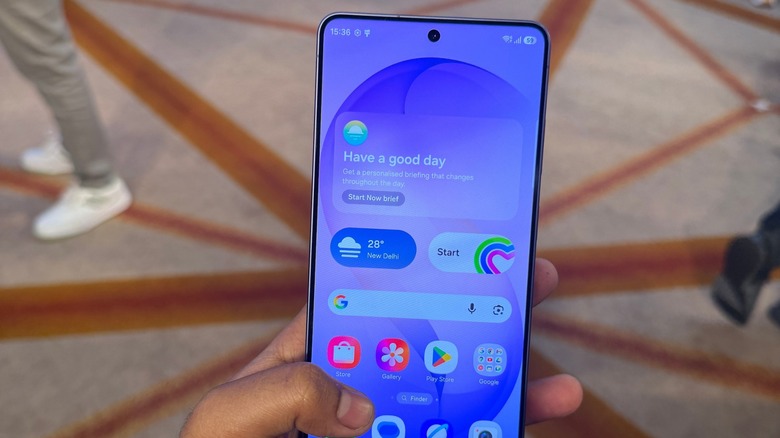
The most notable camera-centric enhancement on the Galaxy S26 Ultra is the next-gen Super Steady mode. In this mode, the stabilization is enhanced, so even if you're shooting a video while walking or riding a vehicle, the hand and body movements are minimized, and as a result, the videos don't turn out shaky. On the Galaxy S26 Ultra, Samsung has added a horizontal lock option to Super Steady mode, which keeps the recorded video in landscape mode even if you rotate the phone.
It might sound unbelievable, but even if you rotate the phone all the way to 360 degrees, the final video remains locked to horizontal orientation with minimal shaking or stabilization jitters. As for the secret tech behind it, Samsung says Horizontal Lock "combines expanded optical angles with gyro and acceleration sensors to recognize the direction of gravity and keep your shots level."
The Galaxy S26 Ultra has a " wow" feature with video Lock horizontally. pic.twitter.com/mLQi7iHBrE
— Ice Universe (@UniverseIce) February 26, 2026
The idea is not too different from gimbals, but the core difference here is that the Galaxy S26 Ultra relies more on sensor cropping and software-side correction to make sure that you get steady footage even when the phone's orientation changes, instead of solely relying on the physical movement of the camera sensor kit to compensate for the movements.
Over at the front, Samsung is also giving a big boost to the selfie snapper. On the Galaxy S26 Ultra, Samsung is also deploying the same AI-powered Image Signal Processor (ISP) on the front camera as on the rear camera hardware. Simply put, pictures and videos clicked by the front snapper will benefit from computational processing, resulting in more accurate colors and sharper details. Talking about AI, the new Photo Assist system now lets you add, remove, or adjust elements in a photo by just describing them.