

Lockheed Martin Tests Fighter Jet AI To Spot Enemies Humans Can't See
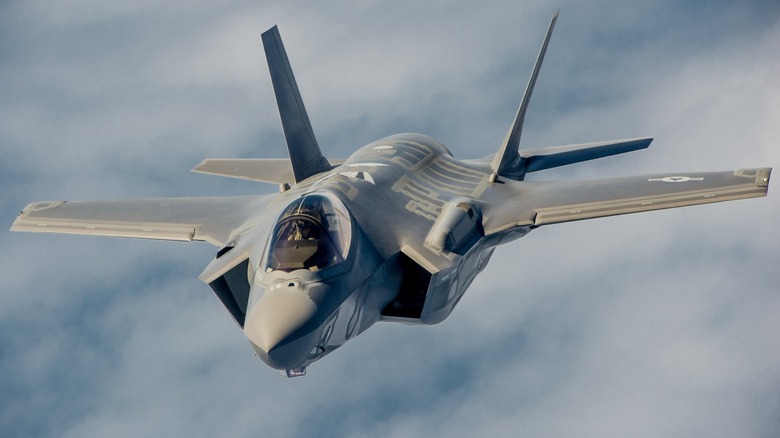
Lockheed Martin is the primary producer of the F-35 Lightning II fighter jet, which is one of the most advanced 5th-generation fighters on the planet. F-35s fly for the United States and allied nations around the world, and Lockheed has continued to improve the aircraft over the years, integrating new systems to make it faster, stealthier, and more combat capable than ever before.
In February 2026, Lockheed took it a step further through advanced AI integration that could be a game-changer. The company flight-tested an AI-enhanced Combat Identification (Combat ID) capability integrated into the aircraft's information fusion system. The program falls under what is called Project Overwatch, and is the first time that the F-35 has used a tactical AI system to generate an independent Combat ID on the pilot's display system.
While that may sound complicated, it's something that we've seen in computer games for years. If you've ever played a game where an enemy pops up as a red icon on the map, that's pretty much what Project Overwatch has achieved. By using AI to identify potential targets, the computer system can provide as much detail as possible to the pilot who has to make split-second decisions in combat situations. AI taking on the burden of identifying friend from foe can only enhance force protection and improve the F-35's lethality in future conflicts.
Project Overwatch and the future of AI identification
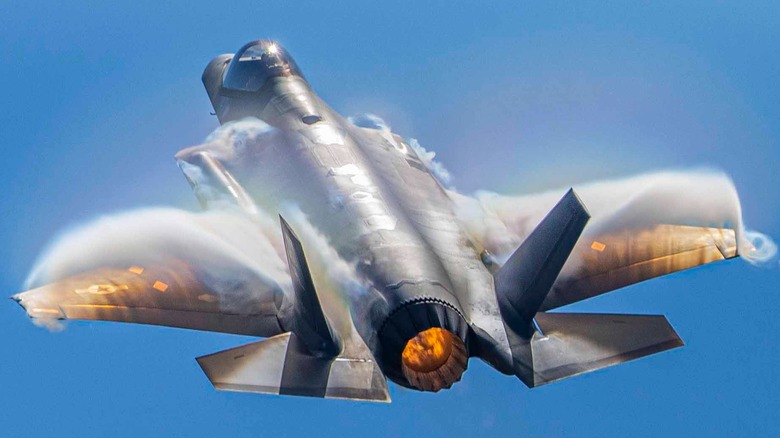
In Lockheed Martin's press release about Project Overwatch, the company claimed that its "AI/machine learning model resolved ID ambiguities among emitters, improving situational awareness and reducing pilot decision making latency" during a test at Nellis Air Force Base, Nevada. Emitters, in this case, refer to equipment that gives out radio-frequency signals, such as communications and radar systems.
Engineers on the ground then used an automated tool to label newly identified emitters and retrain the AI model, updating its database in minutes and sending the information back to the aircraft. This was done in a single mission planning cycle, and the learning model should improve the system over time. Presently, this is a working model with proven capability, but it could be some time before Lockheed's new AI model makes its way into combat-ready aircraft. Once that happens, it will significantly improve pilot response time and target identification, which would theoretically improve mission success.
Military application of AI is a growing trend in the United States and abroad. Using systems that can perform complex identification of friendly or enemy targets faster than a human can is highly desirable to the Department of War, which is pushing AI companies to further evolve their capabilities. While this has proved problematic for companies like Anthropic, Lockheed's progress appears to be in line with the DoW's priorities, helping to ensure that the 5th-generation F-35 can handle what Lockheed describes as a 6th-generation system.