

These Cars Filled Every Parking Lot In The '80s: Now They've Nearly Disappeared
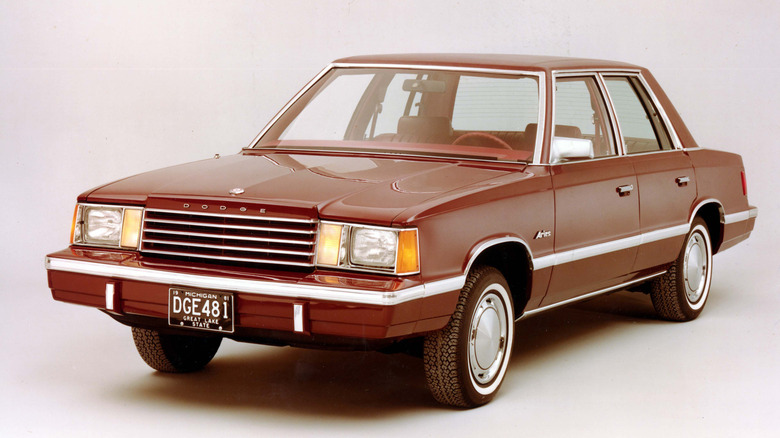
The 1980s saw an explosion in cheap, efficient, and (mostly) pretty fun to drive cars. The Malaise Era from the 1970s was over, and huge inefficient V8s were going away in favor of four-cylinder cars. The oil crisis that plagued the American car market was fading away in the rear view mirror and automakers were getting a little more optimistic.
Plus, Japanese automakers like Honda, Toyota, Nissan, and Mazda were making more headway into North American pop culture, probably starting the love affair many of us have with JDM cars and the like.
Almost four decades past the 1980s, some of the cars that you would see in the mall parking lot are still around. GM and Ford trucks will probably outlive humanity and true collector cars like Toyota Supras, Nissan Z-cars, Chevy Corvettes, and Fox Body Mustangs are sitting in climate-controlled garages waiting for the auction block.
But for others, like your mom's minivan or your history teacher's station wagon, are virtually gone from the landscape.
Chrysler K-Cars
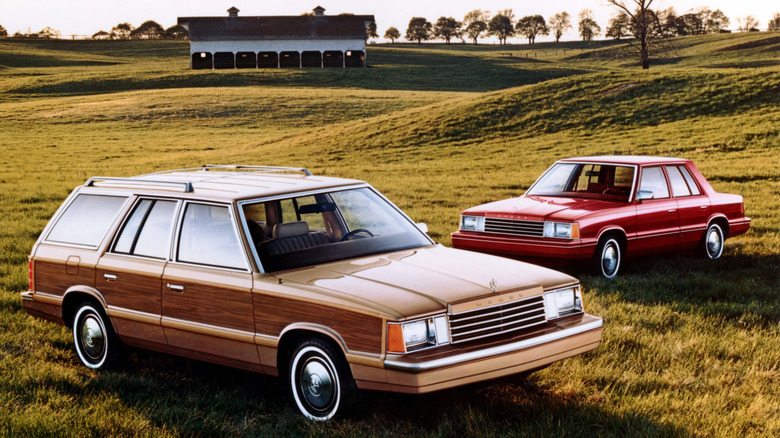
Starting in the late 1970s and going all the way to the end of the 1980s, Chrysler produced the K-platform, lovingly called "K-cars" (not to be confused with Japanese kei cars). The K-platform and its many variations and permutations saw coupes, convertibles, pickups, station wagons, and the first-ever minivan. It was credited with saving Chrysler at the time. (I've owned two of them).
Now, K-Cars and its brethren like the Dodge Aries, Chrysler Town and Country, Chrysler LeBaron, and Dodge Omni are completely absent from anything but enthusiast gatherings. The original "magic" that made the K-car so special was the modularity of the platform. Almost every model Chrysler, Dodge, and Plymouth made at the time was front-wheel drive and available with a 2.2-liter four-cylinder that was sometimes turbocharged if you were willing to spend more money.
Unfortunately, with a lot of budget-oriented cars like the K-car, the car can be treated more as a disposable appliance than something you would want to keep around forever. Collector cars like the related Dodge Omni GLH-S are still around if you look hard enough, but good luck finding much else from the era that wears a Chrysler star.
Ford Taurus
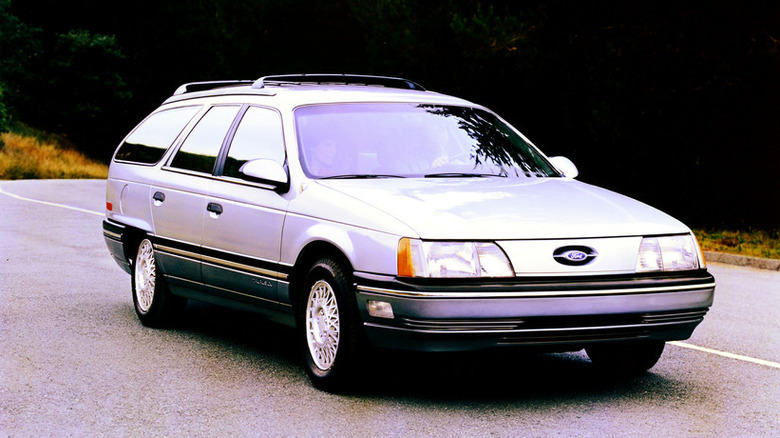
Ford debuted the Taurus and Mercury Sable for the 1986 model year and it was a hit from almost the very beginning. RoboCop even drove one. With a few pauses in production, it continued until 2018 when Ford decided to kill all of its sedans.
First and second-generation Tauruses and Sables are still around in oddball collections and occasionally come up for sale on sites like Cars and Bids, but the days when you would see them as part of a taxi or police car fleet are long gone.
In the 1980s, the Taurus was a technological marvel, with standard features like four-wheel independent suspension and sound-deadening material. 40 years later, it still feels "modern." Despite the modernity, however, you'd be hard-pressed to find an original Taurus or Sable puttering around today. Being a family car or fleet vehicle means that you tend to get driven very hard and not taken care of.
Tauruses served their owners well (my family had a Mercury Sable wagon), but after retirement, they were often destined for the junkyard.
Honda Accord
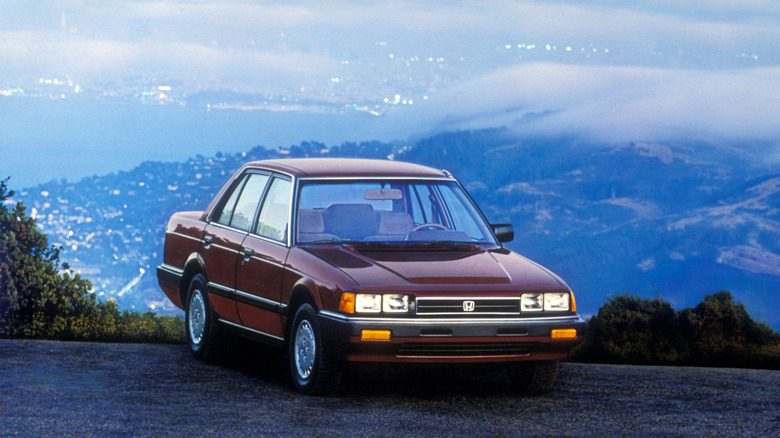
Old Hondas are automotive icons but are virtually nonexistent if you want to find anything from the 1980s outside of Southern California. Baltimore, with its salted winter roads and humidity, doesn't treat Japanese classics all that well.
The second-generation Honda Accord could be credited as signaling the end of huge American land yacht sedans. It taught drivers that not only were Japanese companies capable of making efficient cars, but also cars that were obsessively engineered and looked good while doing it.
The Accord became the commuter car of choice for millions of drivers and that trend is continuing today. There are Accords everywhere, but only from the 1990s on. Like the Chrysler K-Cars, old Accords, and even Civics and Toyota Camrys, they were treated like a tool more than anything you might fall in love with. As such, when the warranty ran out or rust showed up, the family Accord was relegated to the used car lot before disappearing into the ether of history. Today, you're much more likely to see Hondas from this era that have been substantially modified, as that means someone took care of it. Stock, well-cared-for examples that saw only light use are a rarity.