

These States Make It Illegal To Toss Out Batteries – Even Regular AAs
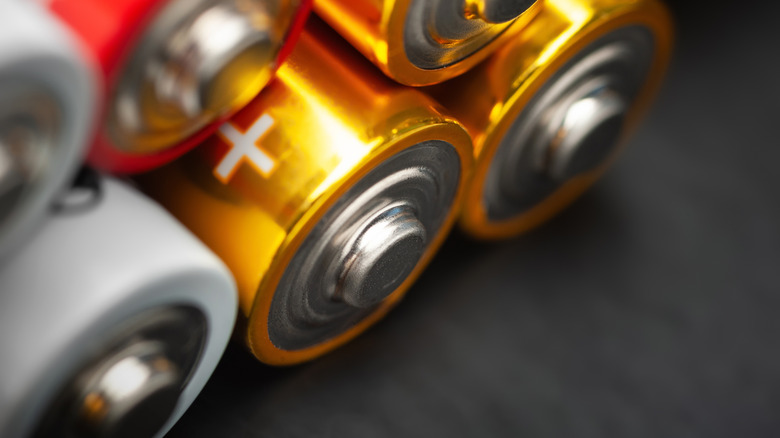
Dead batteries in your Roku remote? Xbox controller batteries are all out of juice? The logical thing to do is to take the dead ones out, toss them in the trash, and swap new ones in. But, depending on your state, that very well could be a crime. With each passing year, throwing away dead batteries has become an increasingly punishable offense. Regulations and restrictions stretch from California to Maine and dozens of states in between, but not everyone's on the same page.
While California's the only state that outright bans throwing away all types of batteries (including AAs), Vermont and New York are rolling out similar bans in the coming years. As of this writing, 18 states have made it a crime to throw certain batteries in the trash, another 15 have specific recycling requirements, while the remaining 17 have no requirements whatsoever. To keep out of trouble, you should definitely know your specific state's laws surrounding battery disposal. We've taken a look at all 50 states (plus Puerto Rico!) to outline which state enforces which type of recycling law below.
State-by-state breakdown of battery laws
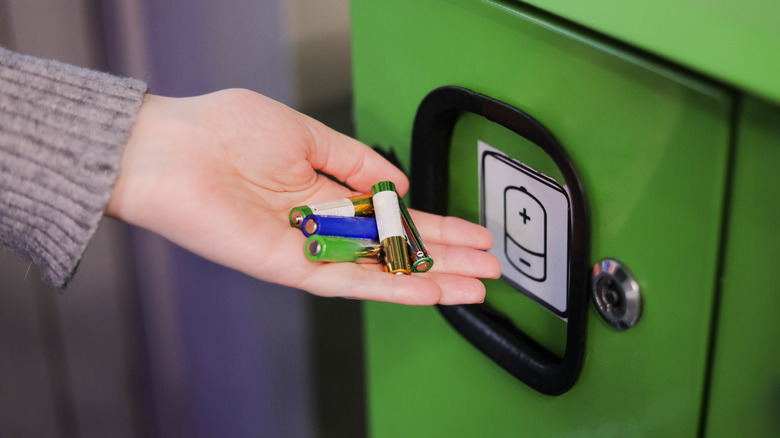
Across the map, most of the legislation focuses on lead-acid batteries (the kinds you'll find in cars and boats, not remotes or controllers). Hawaii, Indiana, Kentucky, Louisiana, Mississippi, New Mexico, North Carolina, North Dakota, South Dakota, Texas, Utah, Virginia, West Virginia, Wisconsin, Wyoming, and Puerto Rico have all banned lead-acid batteries from being landfilled. Instead of chucking them in a dumpster, the batteries have to be taken to a retailer, wholesaler, collection, or recycling facility. For instance, Lowe's will take your power tool batteries.
Other states put the restrictions on battery manufacturers and sellers rather than the buyers. In California, Colorado, Connecticut, Illinois, Nebraska, Vermont, Washington, and Washington, D.C., these manufacturers have to join an existing or fund a new battery stewardship organization that handles collection and recycling. The majority of these states still make it illegal to throw batteries in the trash, but the responsibility to stop this bad habit is more on the companies than the people actually pitching them.
Meanwhile, Alabama, Alaska, Arizona, Delaware, Georgia, Idaho, Kansas, Massachusetts, Michigan, Montana, Nevada, Ohio, Oklahoma, Oregon, Rhode Island, and Tennessee have no laws whatsoever against tossing batteries. Still, not the most environmentally friendly thing in the world, so try to recycle lithium-ion batteries anyway as a rule of thumb.