

Why Is China Capping How Much Energy Electric Cars Can Use?
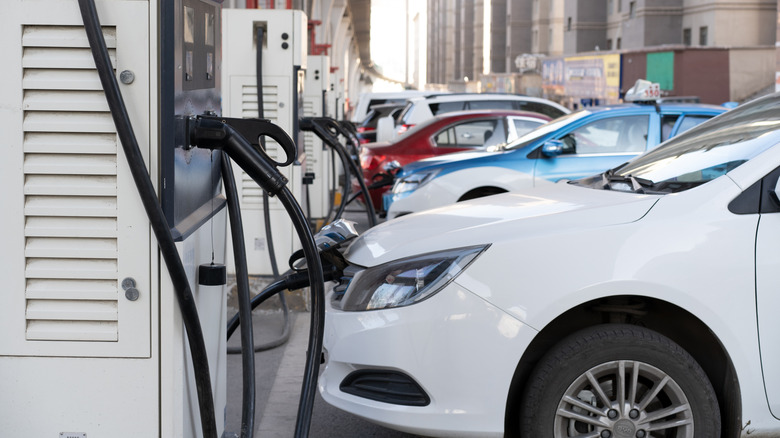
Electric Vehicles (EVs) are becoming popular with many drivers, as more countries around the world are embracing the technology every day. That technology isn't perfect, however, and there is a common EV charging problem that many drivers face. Now, one of the countries that has long supported EV adoption, China, is placing mandatory limits on energy consumption per 100 km (62.14 miles) for certain passenger battery vehicles.
The Chinese government hasn't specifically said why these limits are being instituted, though doing so does drive automakers to push for innovation and efficiency in EV design. Plus, it encourages energy-saving tech, while also managing overall electrification costs. This new policy, known as the Energy Consumption Limits for Electric Vehicles, measures energy consumption using the China Light-duty Test Cycle (CLTC), which factors in vehicle weight and efficiency. Heavier or more powerful EVs have higher energy caps, and each vehicle's measured energy consumption must meet the limit to receive approval.
New EV's had to meet the standard as of January 1, 2026, and previously approved EV types have 25 months from that date to comply. This means Chinese EV companies, who are doing a lot more than just building cars, must either redesign or certify their vehicles to meet the limits. Investing in efficiency tech will likely be the way to go. Drivers can expect EVs to be standardized for better energy efficiency, with the understanding that the bigger and more powerful they are, the more energy they can use.
China's EV energy and the struggling market
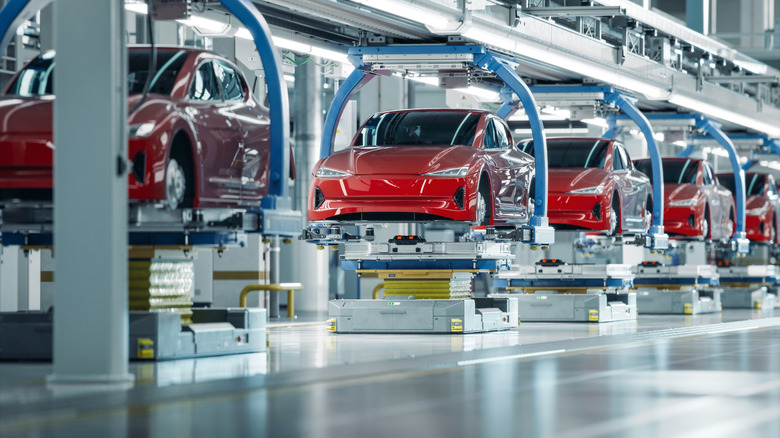
China is the first country in the world to set mandatory energy-consumption guidelines for some of its Electric Vehicles (EVs). While other countries have both efficiency and emission standards in place, there is no predetermined energy cap. For example, the United States has historically included EVs in the Corporate Average Fuel Economy (CAFE) standard, though the rules were revised in 2025 and may change further. The European Union and Japan both have guidelines addressing EVs as well, though none of these countries has specifically regulated energy consumption.
China's efforts to cap energy use come just three years after the country's EVs and plug-in hybrids consumed 35 terawatt-hours (TWh) of electricity. This total comes from public charging stations alone, and is around the total amount of electricity that the country of Ireland consumes in one year. But despite the tremendous amount of energy being used, there were no widespread issues with China's power grid at the time. Overall, China has about 20 million EVs and plug-in hybrids on the road.
Though not directly attributable to China's new energy policy, total EV sales in January 2026 were down 55% from the month before, and 20% down year-over-year. This significant drop was the primary reason why overall EV sales were down worldwide. A new 2026 purchase tax and less buyer-friendly trade-in policies were to blame for the drop. But only time will tell whether energy capping will affect sales in the long term.