

Are SSDs Really More Reliable Than Traditional HDDs?
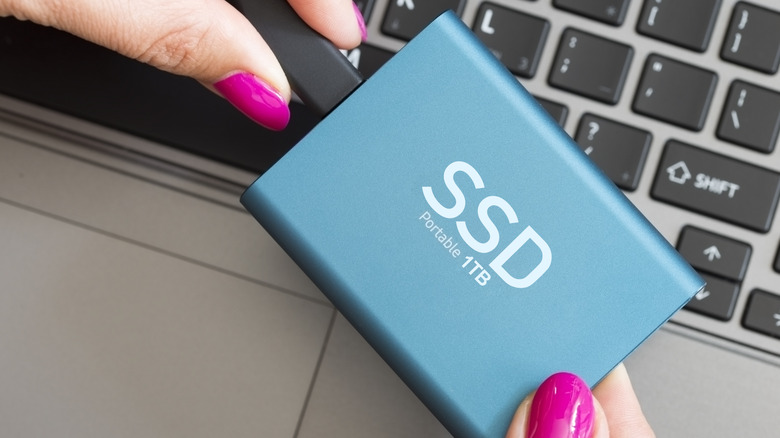
Data storage devices have changed significantly since the days of the classic floppy disk. And if you are in the market for portable storage solutions, two of the most common options you'll find are Hard Disk Drives (HDD) and Solid-State Drives (SSD). While both function as high-capacity, rewritable drives, they each have their pros and cons.
HDDs, for instance, offer significant cost-effectiveness for mass storage, but their mechanical components can make them more vulnerable to physical wear and damage over time. SSDs, on the other hand, are smaller, more energy-efficient, and offer faster read and write speeds than their HDD counterparts. They also have no moving parts and rely on flash memory to store data.
With that said, while the main differences between an SSD and an HDD are speed, performance, and storage, you'll want to consider reliability, too. Are SSDs more reliable than HDDs? Well, the short answer is yes, but that is not to say that HDDs are obsolete, nor does it mean that SSDs are perfect. For this reason, let's take a look at how SSDs stack up against their traditional HDD counterparts when it comes to reliability.
HDDs are no match against SSDs
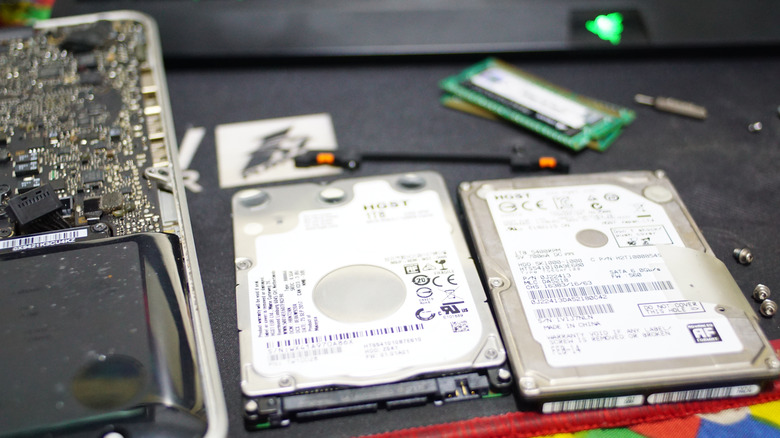
There are a few key factors that contribute to the reliability of portable storage devices, including SATA hard drives and M.2 SSDs (pronounced M-dot-2). One that plays a major role is how they are used. SSDs are designed to read and write data a set number of times, so failure is a matter of when, not if. However, among the many reasons experts say SSDs are more reliable in terms of usage is the fact that they have proven to have a much lower annualized failure rate (AFR) than HDDs.
But more than that, SSDs are more resistant to physical damage. Unlike HDDs, which have spinning arms that move during read and write operations, SSDs have no moving parts. This means that they are less vulnerable to accidental drops, sudden impacts, vibration, or shocks. Provided you treat your SSD well, you can expect a modern SSD to last for years without experiencing any major complications.
However, it's worth noting that all portable storage solutions, including SSDs, regular HDDs, and flash drives, are likely to fail as they age. And while most companies claim the average lifespan of SSDs is approximately 5 to 10 years, there's always the risk that any given product may have unknown defects. So, if you start noticing key warning signs that your SSD may be on its last leg, like booting issues and frequent crashes, you'll want to immediately back up all your vital files.