

7 Quick Tips To Improve The Quality Of Your Used Car Before Resale
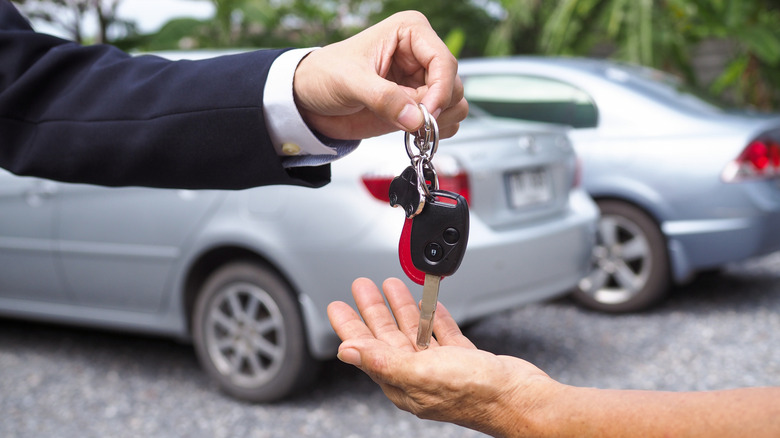
When you buy a new car, you rarely think of selling it. You want to hold on to it as long as possible. But there comes a time when you have to bid adieu to your old car to make way for a new one. At the end of the day, selling a vehicle is a purely transactional headache, as your mind has already moved on to the new, shiny car, whether it's parked in your garage or is in the showroom. The better seller you are, the better price you will get for your car.
It's basically a tug of war between you and a buyer trying to bring down the asking price. However, the difference between a quick sale and a listing that is there for months comes down to how you, as a seller, have prepared. Being an automotive and tech enthusiast, I love upgrading to new, exciting stuff. Decades of buying and selling used vehicles has given us (collectively, here at SlashGear), quite a bit of in-the-field knowledge on the topic. It all begins with the look — is your vehicle full of dust, clutter, and faded surfaces?
All these signal a neglected car. To a potential buyer, it's sensible to ask the question: if you, as an owner, did not care to wash the car, is it likely that you've been changing the oil on time? It's about appearance, it's about maintenance, and it's about knowledge — all of this leads a buyer to believe in the quality of a used car they want to buy.
Wash Your Vehicle (Inside And Out)
First impressions are what make your car stand out in the already competitive used car market. People often go ahead and list their car covered in dust, instantly indicating (to any prospective buyer) that the car isn't being taken care of. Even though that car might be mechanically perfect, a poor first impression goes a long way.
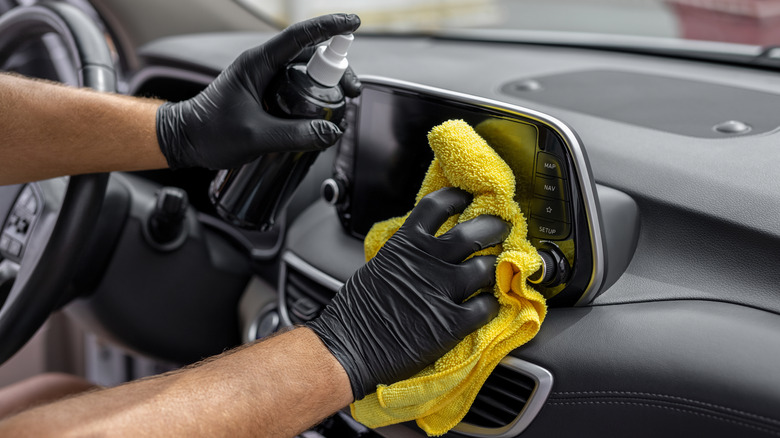
Keeping a clean interior can make any vehicle feel newer and more inviting. Ideally — especially right before a potential sale — you should perform a deep clean (and not just a water wash). You need to get the windows cleaned inside and out, scrub the wheels, and get the door crevices clean where the dirt hides. Inside you should consider staring with the carpets and the surfaces of every seat – every space that needs to be vacuumed to suck all the loose dirt.
Then the solid surfaces — followed by a polish to make the interior pop.
Don't forget the smell. If (after the basic clean) your car still has a scent, you may want to consider an air freshener of some sort. Nobody likes a stinky vehicle.
Clean the plastic trims
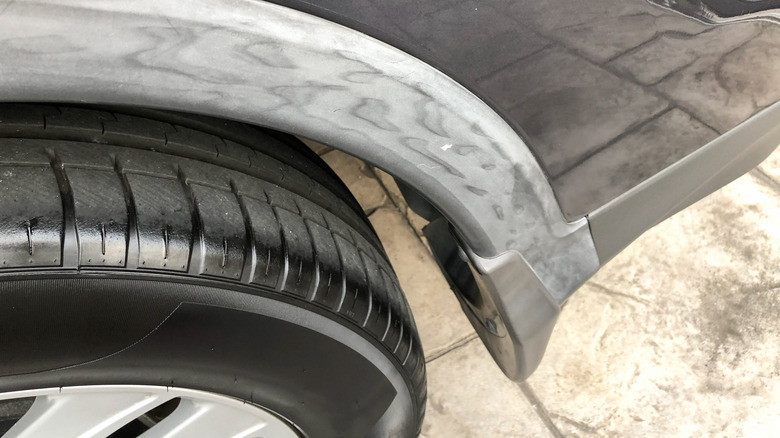
After you've owned a vehicle for a while, the sun tends to do a number on your vehicle's plastic parts. They fade — it happens. You'll want to consider proper treatment with plastic care products to revive such areas.
But before you start rubbing plastic restorer on your car's plastic parts, you should first clean the plastic surface. A proper wash with water and shampoo is ideal. Once that is done, you can start spraying or dabbing the plastic restorer. No matter which type of restorer you buy, they are silicone-based or ceramic coatings designed to rejuvenate that plastic. On top of this, they protect the plastic from fading, oxidation and sun-damage. They bring back the rich black color to your bumpers, door handles, and mirror caps.
You can also apply various DIY methods to restore the plastic trims, such as using a heat gun or olive oil – be sure you know what you're doing before trying anything like this, but done right, they can work wonders.
Apply wax on your car to make it shine
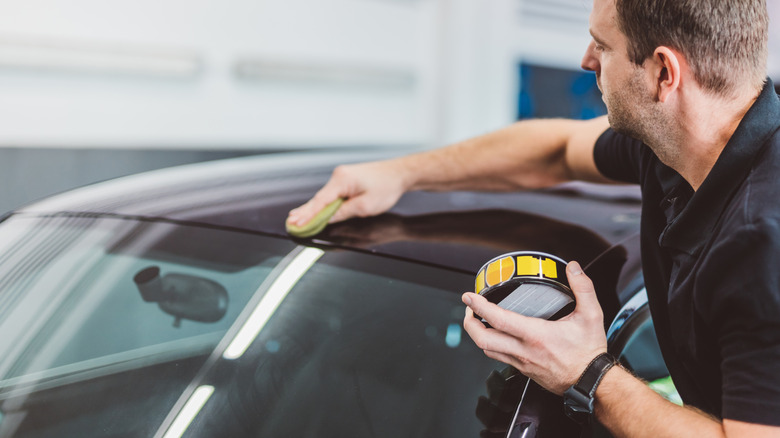
There is a big difference between simply washing your car with water and shampoo and actually making it shiny. A properly washed old car with wax and polish may look much cleaner and newer than a fairly new car that is just washed. A waxed car not only makes the exterior pop but also makes it look valuable. Wax from popular companies like Turtle and Meguiar's are quite reliable and just a single coat them will instantly give you one more reason to ask for a higher price.
I love taking care of my car myself, and I use Turtle's car wax. If you are on tight time, you should use a spray wax, otherwise go for the paste wax for that showroom glow. The application is simple: For spray wax, spray the wax liquid all over your car and then move the microfiber cloth over it in circular motion. For paste wax, you can use an applicator to apply it all over your car and then use a microfiber cloth or an electric buffer.
Applying wax to your car makes a strong impression, and it implies that you took pride in your ride.
Inspect everything for any issues
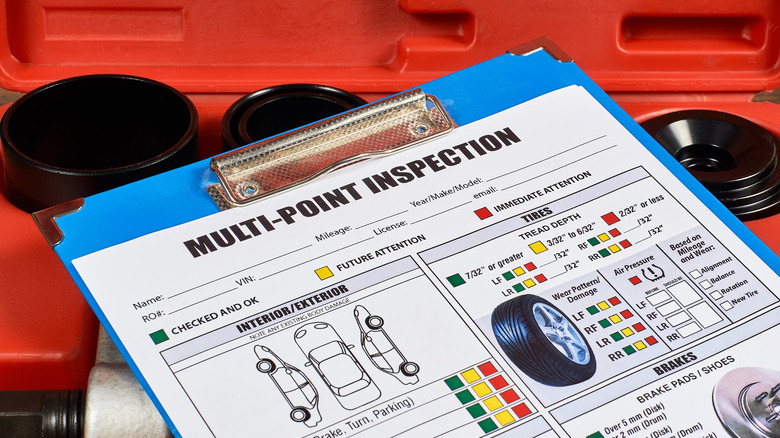
Now that you are done with the aesthetics of the car, you should ensure that it runs smoothly. Before you let a stranger hop onto the wheels and test drive your car, you need to test it yourself and have a critical eye for any issues. If you aren't eagle eyed, then you should take your car to the service station and let an experienced professional test drive it and tell you about any issues it has. Even tiny issues, such as a loose glove box or a bad interior light, can be another reason a buyer could ask for a discount on the selling price.
Servicing your car isn't only needed when you are selling it, it should be regularly done. Timely service like changing the engine oil and air filters, keeping the tire pressure in check, etc., affects how the vehicle performs and what rate it can fetch on the used car market. However, you should make sure that your car always visits an authorized service center. Not only will you have official records of your timely maintenance, your car will also be in good, trained hands.
You should do a full walk-around. Check all your lights (blinkers and reverse lights). Top-up the washer fluid, check the oil level, and check the brakes. If they are cheap fixes, get them done immediately, as if left unattended, they will give the buyer leverage to negotiate the selling price. If there is a major issue, be honest and disclose it to the buyer. It may help build trust with the buyer, and they probably won't hunt for other issues in the car.
Know the main features of your car
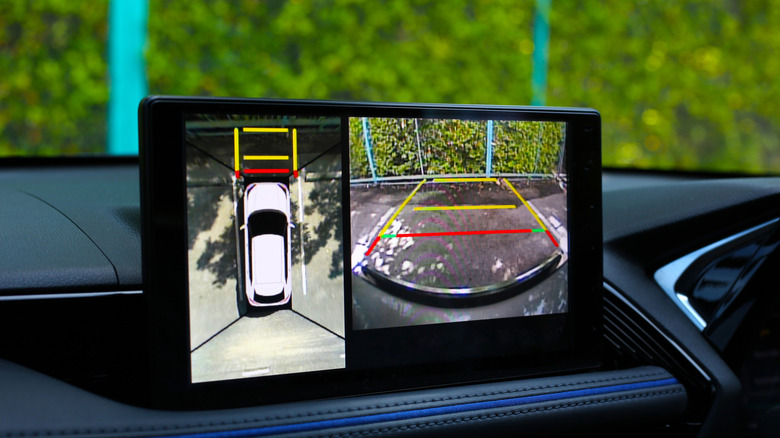
You don't need to be an enthusiast or read your car's manual to know all the features of your car, but if you have owned the car for years, you should know which main features to highlight when selling it. This knowledge comes handy because it shows the seller that you understand your car and know the ins and outs. You will also be able to respond to simple questions, such as "what's the highway mileage?" and "does this have Bluetooth?" Hesitating makes it look like you don't know the car, which may make the buyer nervous.
If you want to know about features of your car, all you need to do is perform a simple Google search with the make model of your car. Some of the best-selling points include: the mileage, the engine capacity, the power, in-class cargo space, infotainment features, and safety ratings. Highlighting such features gives buyers first-hand knowledge so that they don't have to do the research.
But you should focus on features that add value for money. Do note that most features can be installed through after market dealers. For newer cars, mention the tech specs, such as wireless Apple CarPlay or Android Auto, ADAS, and other features. For old models, focus on the features that highlight reliability.
Show off any additonal work done on the car
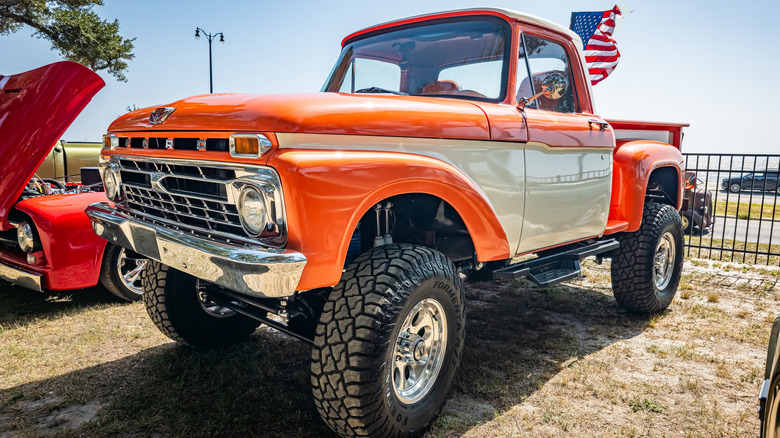
Many people buy a particular model just to install various after market items on it. Have you spent money on the car? Simply flaunt it. If you have installed a new spoiler, highlight it. If you have installed a new music system, new high-beam headlights, or even new tires, tell the buyer. Modifications or recent maintenance add value when selling a car, and they can help fetch a good price. You should put all the stuff that you have changed or installed as the headline of your listing ad.
There are ways to highlight the additional work that you have done. Don't just list "new tires," explain the added value. You can start off by saying which brands the tires are from, what is the profile (as it can signify the handling and performance), whether they are all-season or winter tires, etc. The listing should read something like "Brand new all-season tires installed last month, saving you $600 upfront." When you mention the bonuses, it communicates to the buyer that they are getting "free" extras that they won't have to buy later.
However, the modifications should be based on the profile of the car. If you add giant tires on a hatchback, that only means you know nothing about modifications and have been riding the car in a wrong state. The updates should be practical and somewhat enthusiast-y.
Maintain documentation and paperwork
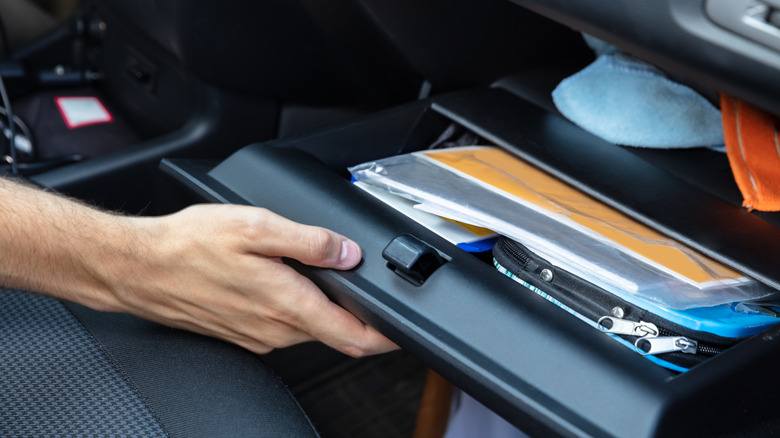
You should also put some time aside to deal with the boring but very important part — paperwork. If you are the owner of the car, you should have all the documents related to it. If not all, then the most important stuff such as service history, purchase receipt, and receipt for any additional work done. A folder full of receipts is worth gold when you are selling your car. As soon as you purchase a new car, get yourself a new folder and keep all the receipts in one place. A healthy stack of receipts is proof of a healthy car.
If possible, and if you have the time, organize them chronologically. It should be arranged date-wise from oldest to most recent, giving the buyer a clear picture not only of the amount of work done, but of its frequency as well. It proves that the odometer reading isn't tampered and that the car hasn't been neglected. A used car with a documented history can be more lucrative than a decent car with only the essential documents.
Another important thing you can do is using the same service provider. This shows consistency and also makes it easier to track records if some are missing or misplaced. Maintaining proper paperwork may look daunting, but it is quite important, especially for an old mover lying in your garage.