

3 Phone Cameras That Top The iPhone 17 Pro In 2026
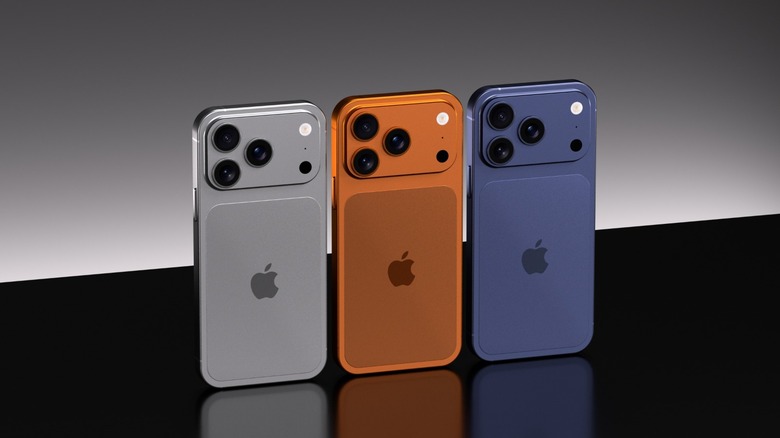
If there's one thing that the iPhone has been nailing year after year, it's camera performance. Regardless of which iPhone model you pick up, you're sure to receive a solid photo and video capturing experience. This is not just true for the latest models, but also applies to outgoing generations that can sometimes be great purchases at discounted prices.
A good smartphone camera isn't one that captures the highest-resolution photos — it's the one that does so reliably. Apple's choice of great hardware and tuned computational photography in the iPhone is what has earned the device a spot among the best phone cameras you can buy. The iPhone 17 Pro features a triple 48-megapixel camera setup on the rear, which includes wide, ultra-wide, and telephoto lenses. It can also record Dolby Vision video in 4K at 120 fps.
There is fierce competition on the Android side as well. Based on camera reviews by experts in the industry, and reliable benchmark tests, here are three smartphones that rival, and in some aspects, even beat the iPhone 17 Pro in camera performance. However, they are not officially sold in the U.S., and procuring these models may require importing them through third-party retailers, which involves dealing with import duties and shipping costs. Even then, compatibility with U.S. carriers isn't always guaranteed.
Oppo Find X8 Ultra
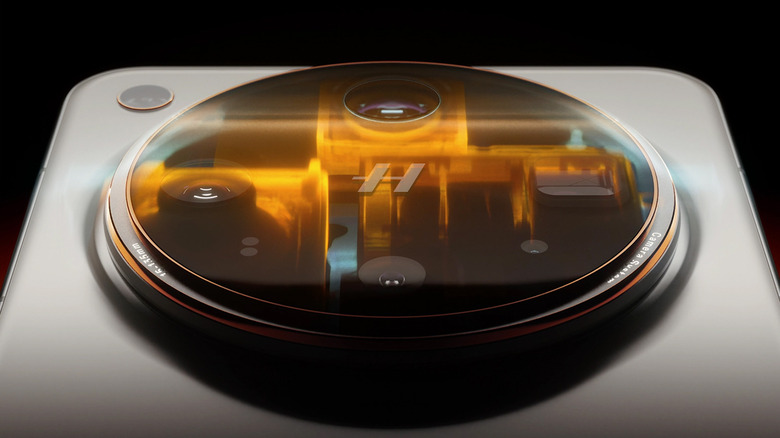
The Oppo Find X8 Ultra launched in April 2025 and boasts a spec sheet so intense that it's easy to tell which area it specializes in. You get a quad-camera setup on the rear — all 50-megapixel sensors. The camera system includes wide, ultra-wide, and two periscope telephoto lenses. This gives you both 3x and 6x optical zoom. There is another camera in Oppo's Penta Camera System — a 2MP True Chroma sensor.
While it's not used to capture images directly, this sensor grabs information that helps produce pictures with better white balance and color temperatures. This is most effective in unideal lighting conditions where cameras tend to struggle with capturing accurate colors in objects or skin tones in human subjects. The main camera uses a huge 1-inch sensor, which you usually find in compact mirrorless cameras.
Digital Camera World called the Oppo Find X8 Ultra the "new king of phone photography" in their detailed review. The phone also shares the same score of 168 points as the iPhone 17 Pro in DxOMark's benchmarks, while narrowly beating it in the photo department. Other specifications of the device include a Snapdragon 8 Elite SoC, up to 16GB of RAM, and 1TB of UFS 4.1 storage. The Find X8 Ultra also ships with a 6100 mAh silicon-carbon battery that can be charged at speeds up to 100W. Sadly, the Oppo Find X8 Ultra isn't officially sold in the United States.
Vivo X300 Pro
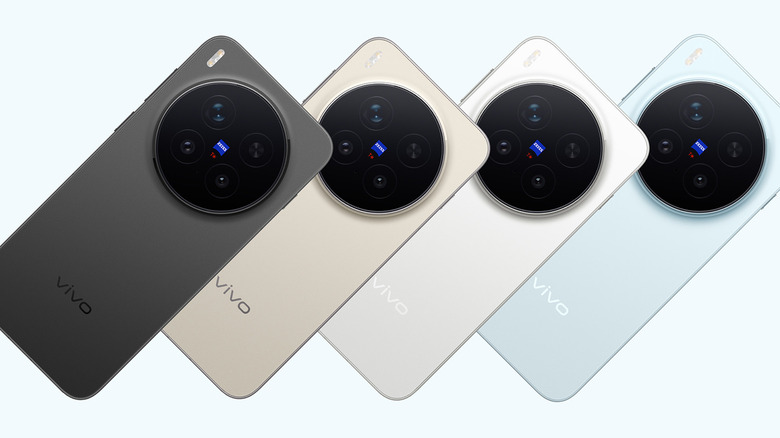
Vivo may not be as popular of a smartphone vendor in the United States, but it does enjoy a massive presence in international markets. According to Statcounter Global Stats, Vivo ended 2025 by leading the smartphone market share in India. The Vivo X300 Pro was launched in October 2025 and features a triple-camera setup, comprising 50-megapixel wide and ultra wide sensors, and a 200-megapixel telephoto lens, offering a 3.7x optical zoom.
Vivo's flagship lineup has been quite camera-centric for a few years now, and the X300 Pro is a good iterative refinement. Low-light conditions are where the device shines the brightest. The phone manages to preserve great levels of detail and offers a wide dynamic range that helps avoid blowing up the exposure or crushing the shadows. Android Central claimed that the Vivo X300 Pro took better photos in low light than any other device they've tested out.
On the video front, you get support for 4K 120 fps 10-bit log recordings. This lets you capture more data per frame, allowing you to color correct in post with greater freedom. The X300 Pro is also compatible with Vivo's Telephoto Extender Kit, which features a lens attachment and a grip-style case with photo and video capture buttons and an exposure adjustment wheel. On DxOMark, the Vivo X300 Pro has an overall camera score of 171 points. The phone is powered by the MediaTek Dimensity 9500 chip, and comes with up to 1TB of storage and 16GB of RAM.
Huawei Pura 80 Ultra
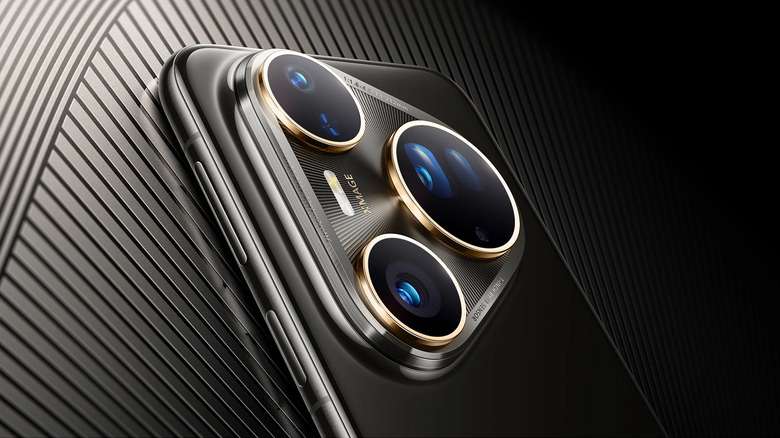
As far as camera designs go, the Huawei Pura 80 Ultra is definitely a looker. Its camera module houses four lenses, including a 50-megapixel 1-inch primary camera sensor. You get a 40-megapixel ultra-wide camera, and two periscope lenses of 3.7x and 9.4x optical zoom. What's interesting is that both these zoom lenses share the same sensor. GSMArena reviewed the phone in great detail, highlighting how it performed exceptionally well in the camera department.
The Huawei Pura 80 Ultra also currently tops the DxOMark smartphone camera ranking, with an impressive score of 175 points. Unfortunately, going with Huawei would mean putting up with quite a lot of software compromises. Though the company is doing just fine in its home region, the Huawei US ban has had stagnating effects for the brand. The global version of the Pura 80 Ultra comes with EMUI, which runs on Android 12 — a full four versions behind Android 16.
Outside its camera galore, the Huawei Pura 80 Ultra is a proper flagship, like the iPhone 17 Pro and other smartphones on this list. It's powered by Huawei's in-house Kirin 9020 chipset and comes with up to 1TB of storage space and 16GB of RAM. The international variant gets a comparatively smaller battery — 5170 mAh compared to China's 5700 mAh model. You do get up to 100W of wired charging and incredible wireless charging speeds of up to 80W.
How we picked smartphones for this list

It's a challenge in its own right trying to one-up the iPhone in areas like performance and software experience, but attempting to surpass its excellent photo and video capturing capabilities is a particularly difficult feat. To compile this list, we referred to the smartphone camera ranking list by DxOMark, which is a well-reputed independent benchmarking platform that thoroughly evaluates camera performance by using a mix of laboratory testing and real-world scenarios.
Of course, overall camera performance is much more than just how well a phone ranks in tests with studio lighting and very few variables. This is why we've also referenced reviews carried out by professional publications like Android Central, GSMArena, and Digital Camera World. It's also worth noting that photo and video output alone doesn't necessarily make a smartphone great. Despite all three of the phones we've listed beating the iPhone 17 Pro in camera benchmarks, none of them are as easy to buy in the global market.
We've reached a point where you get pretty much excellent camera performance regardless of which flagship-grade smartphone you pick. Factors like the software experience, ecosystem, reliability, and other hardware components should ultimately end up swaying the decision for you. Realizing this, in addition to ignoring myths about phone cameras, may help you make a more informed purchase decision.