

Every Different Type Of Spark Plug (And How To Know Which Your Car Needs)

We may receive a commission on purchases made from links.
A spark plug isn't just one standard item, and the market is full of different types, materials, and designs. They're each made to run best under specific engine conditions. Engines put serious heat and electrical pressure on spark plugs. You need specific components that can withstand extreme temperatures and high voltages without failing. Engines from different eras are built to handle spark plugs that were available on the market at the time.
Knowing the difference between a plug meant for dependable daily driving and one built for high-revving track use is how you start making smart maintenance choices. If you overlook these small details, you're setting yourself up for trouble, ranging from slight misfires and poor gas mileage to serious engine damage if the plug can't dissipate heat properly.
Few components are as small and crucial as the basic spark plug. This little piece of hardware is what actually ignites the process that turns fuel into the power that moves your vehicle. If you don't have a spark plug working right, your car is just a heavy collection of parts sitting still.
Copper Spark Plugs
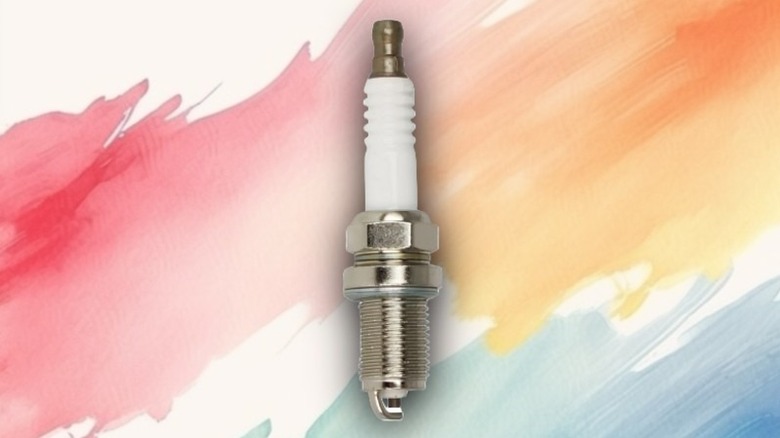
These are typically what you'd think of as classic or traditional spark plugs, but calling them "copper" is actually a bit misleading. They do have a solid copper core embedded deep inside the center electrode for fantastic thermal and electrical performance; however, the actual firing tip is made of a nickel alloy. That working end typically uses a big 2.5-millimeter diameter tip, which is significantly larger than the thin-wire designs you see in modern plugs that use precious metals.
This thick width is essential because nickel is softer and melts at a lower temperature than metals like platinum or iridium. If the electrode were any thinner, the extreme combustion heat would just destroy or erode it almost instantly. Due to those limits, the nickel-alloy tip wears out much faster than precious metals. It suffers from erosion and oxidation, which makes the spark gap widen pretty quickly.
This means the plug has a short lifespan, usually only good for about 20,000 to 30,000 miles before you need to swap it out to keep your engine performing well. They are best for older, vintage cars (pre-1980s) running low-voltage distributor systems. These classic engines were engineered specifically for copper's electrical properties and might not run properly if you introduce the higher resistance of some precious-metal plugs.
Single Platinum Spark Plugs
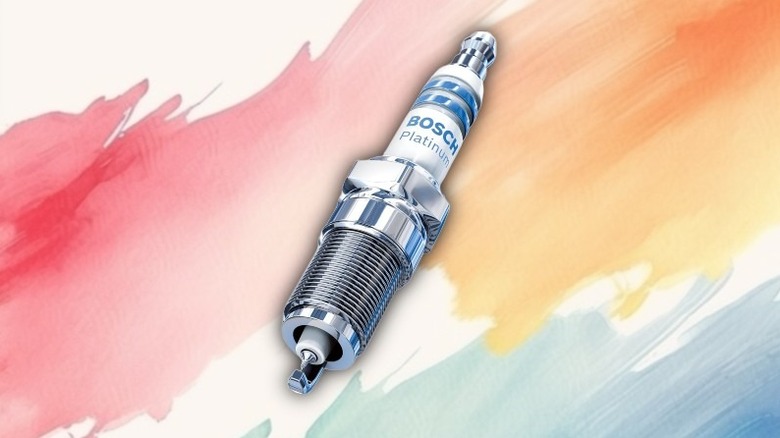
Structurally, single-platinum spark plugs look a lot like standard copper plugs, keeping that highly conductive core for excellent heat transfer. However, they come with a small platinum disc welded right onto the tip of the center electrode. This design works because the material is incredibly tough; it's much harder than nickel alloy and has a massive melting point (3,215 Fahrenheit).
Since platinum is so robust, it resists the corrosion and erosion that constantly happens inside the combustion chamber. The metal holds its shape, guaranteeing you get a consistent, precise spark for a significantly longer period. As a result, single plugs deliver a greatly extended service life, often lasting between 60,000 and 100,000 miles. These plugs usually run a bit hotter than copper, which really helps burn off carbon deposits and prevents fouling, keeping your fuel efficiency steady and your engine running smoothly as you rack up the miles.
They're particularly recommended for newer cars, especially those built from the late 1990s through the 2000s that use electronic distributor-based ignition systems or coil-on-plug setups.
Double Platinum Spark Plugs
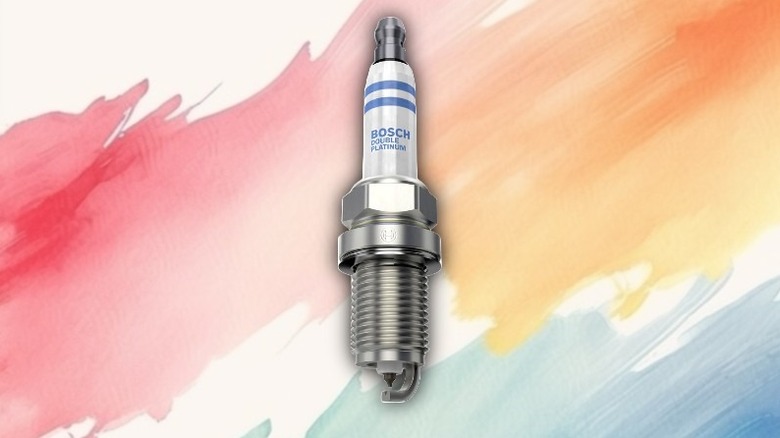
Double-platinum spark plugs might look almost exactly like the standard single-platinum version, but they work very differently from how your engine handles electricity. A true Double Platinum plug is built with a platinum disc welded onto the center electrode and a matching chip on the ground electrode. This specific design is absolutely critical if you have a waste spark ignition system, which was pretty common on vehicles built throughout the 1990s and 2000s.
Basically, one ignition coil simultaneously fires two spark plugs. One is in a cylinder that's actually making power (compression stroke), and the other is in a companion chamber on the exhaust stroke, where that spark is "wasted." Standard or single platinum plugs just don't have the necessary protection on the ground strap and cannot handle the whole process.
Using a single platinum on a car that needs double could cause misfires in your engine in only 20,000 miles because that unprotected ground electrode wears down so quickly. Double platinum keeps a stable gap, no matter which direction the spark is flying. That's why you can expect this type to easily last 80,000 to 100,000 miles. It's a critical specification for cars running a high-demand ignition architecture.
Iridium Spark Plugs
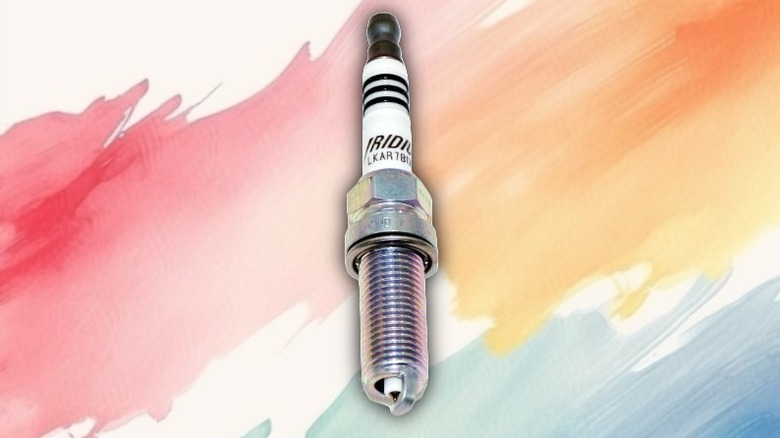
Iridium spark plugs are currently the very best ignition tech you can put in most production cars today. It is a rare precious metal that is about six times tougher and eight times stronger than platinum. It also has a seriously high melting point, hitting 4,435 degrees Fahrenheit. This extreme ability to withstand heat and electrical wear allows companies to build a center electrode with a super-fine diameter (0.4 to 0.6 millimeters).
When the electrode surface area is smaller, it concentrates the electrical charge right at the tip. This means the ignition system needs significantly less voltage to ionize the gap and jump the spark. This reduced voltage requirement takes the stress off your ignition coils and guarantees a stable ignition event, even when dealing with the high cylinder pressures in modern turbocharged or compression engines. The physical mass of the electrode draws heat away from the initial spark kernel. By reducing that interference, the flame front expands much faster and more efficiently.
What you get is better throttle response, smoother idling, and easier cold starts. Iridium plugs often have a service life between 100,000 and 120,000 miles, with some types lasting even longer if conditions are perfect. This exceptional durability makes them the perfect choice for newer vehicles with Coil-on-Plug ignition systems.
Ruthenium Spark Plugs
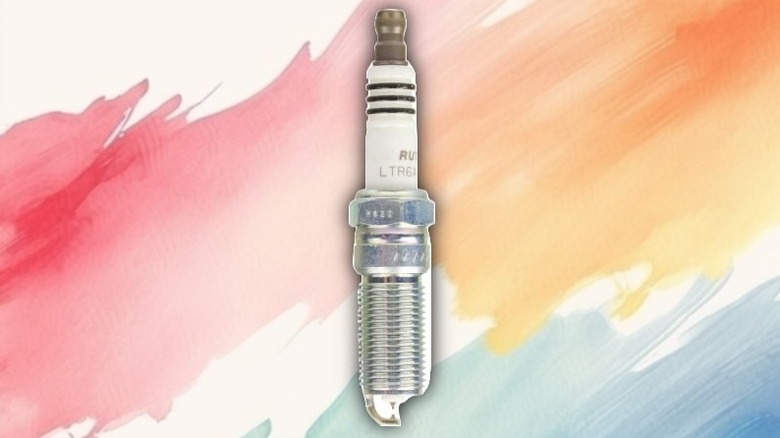
Ruthenium plugs is arguably the best on the market right now. It offers even better oxidation resistance than iridium. That trait is a critical attribute because modern engines are creating much harsher internal environments. While its actual melting point is slightly lower than iridium's, the alloys have better resistance to chemical breakdown and physical peeling in hot combustion chambers.
To take advantage of this strong material, the technology uses advanced High Ignitability designs, like the Double Fine Electrode (DFE), which helps you get a much more complete fuel burn. The DFE configuration is designed specifically to maximize ignition power and cut down on emissions, especially in engines that aren't turbocharged.
The specialized tip designs help the flame kernel grow much faster compared to standard plugs. In the real world, this translates directly into benefits like quicker throttle response, smoother idling, and much better reliability when you're starting the car cold. Expect them to last 120,000 to 150,000 miles, and they are best for the latest model years (2020 and up) that use high-efficiency or Gasoline Direct Injection engines.
Silver Spark Plugs
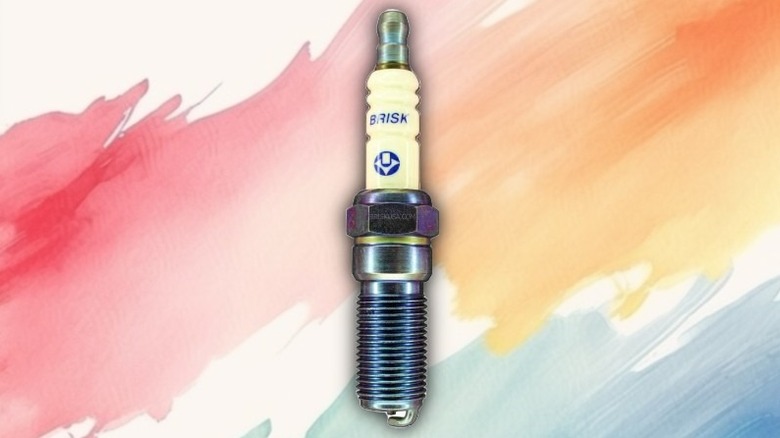
Silver spark plugs are definitely in a specialized spot in the ignition market. They have physical properties that even the most advanced precious metals can't match. This has the best thermal and electrical conductivity among all the metals used to make spark plugs. This stellar performance profile means the electrodes offer the lowest possible electrical resistance.
This rapid heat dissipation is a huge safeguard against things like pre-ignition and detonation. That's why top tuners rely on silver when they are running high-compression, heavy-boost, or tricky fuel mixes where those combustion chamber temperatures can spike to extreme levels. However, the material is soft and doesn't have the sheer density or wear resistance of platinum or iridium. That means the soft electrode wears down relatively fast due to the pressure and electrical erosion happening during the combustion cycle.
Since the metal erodes, the gap between electrodes opens up significantly faster than with modern precious metals, meaning you have to perform service often to keep misfires from happening. Generally, a silver plug is only going to last you 15,000 to 25,000 miles before it's completely worn out. You'll mainly see them in racing engines inside of cars popular for street racing, high-performance motorcycles, and some older European performance cars where the engine design was actually calibrated to rely on its unique thermal properties.