

4 Hints That It's Probably Time To Upgrade Your Apple Watch
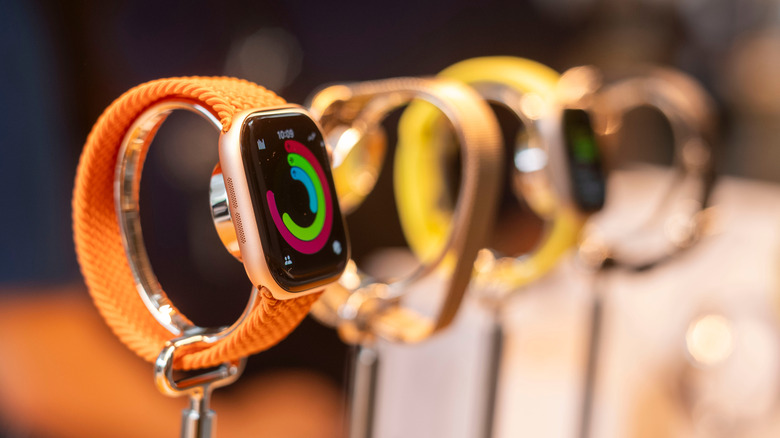
The Apple Watch first hit the market in 2015, and reactions were a bit mixed. Some tech lovers were excited, while others were skeptical. Using the watch to answer calls felt like a piece of Q Branch gadgetry straight out of James Bond — fictional, a bit outlandish, and unnecessary. There's no denying it was cool, but would it sell?
Now, more than 10 years later, the Apple Watch is a bona fide success, selling millions worldwide and allowing users to do much more than check the time or answer calls. It's a fitness and health tracker that can monitor your heart rate, blood oxygen levels, workouts, and more. It can analyze your sleep cycles and notify you of possible sleep apnea. You can use it for emergency SOS and fall detection, for contactless payment, and even as a remote for your iPhone's camera!
The Apple Watch is available at various price points, starting with the SE 3 model for $249 to the top-tier Hermes Ultra 3 model for $1,399. Many consider it an investment and hope to get years of life before they need to buy a new model. Like any modern technology, however, the life of your Apple Watch is finite.
Your watch is dying before bedtime
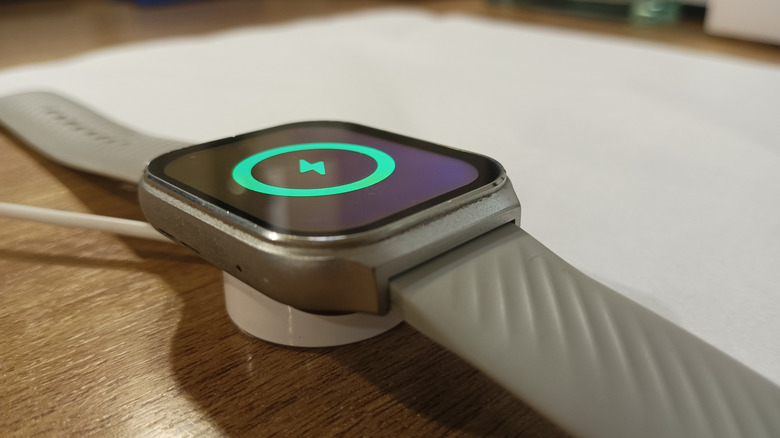
Depending on which model of Apple Watch you own, battery life varies, but the newer models offer at least 18 hours of battery life. If your watch is unable to get through most of your waking hours before it dies, or you need to charge it midday, it's probably time for an upgrade.
In general, the Apple Watch tends to have a lifespan of about three to five years, but there are steps you can take to keep your watch battery healthy for as long as possible. You can check your watch's battery health by going to Settings, then Battery, and then Battery Health. There, you can see the maximum capacity, which is how much charge the watch is holding relative to when it was brand new (at 100%). To help preserve your battery, turn on optimized battery charging. This feature learns your charging habits and delays charging your device past 80% until a certain point, which reduces the time your watch will be fully charged. According to Apple, this helps minimize stress on the battery.
You should also remove your watch from the charger once it's fully charged, delete apps you're not using, turn off Wake on Wrist Raise, and keep your watch updated to the most recent operating system.
Your watch will no longer update
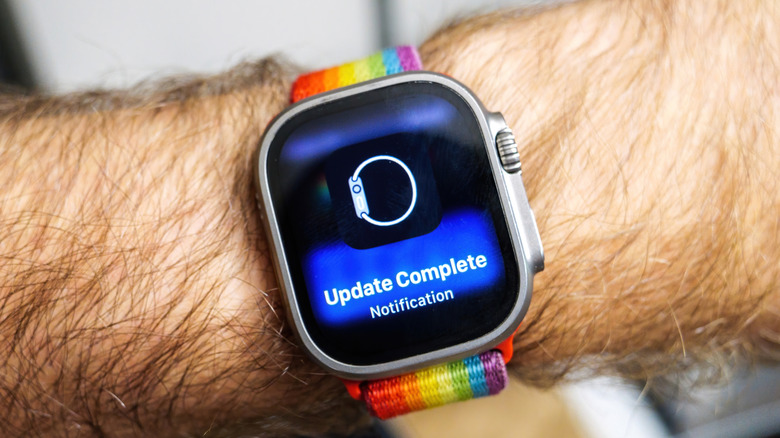
Speaking of updates, if your watch is so old that it no longer receives updates from Apple or it's having trouble updating, it's probably time to buy a new watch. These updates add more than new apps or features; they also fix security issues and bugs, improve connectivity, and can even improve safety features and health metrics. Updates also ensure that your watch properly syncs with your phone.
If you're unsure whether your watch is still updating or not, check with Apple to see what version of watchOS is available. On your iPhone, open the Watch app and tap My Watch, General, About, and Software Version to see which watchOS version you're running. You can also open the Settings app on your watch, tap General, and then Software Update. If your watch is running an older version but says it's up to date, your watch is too old for the current operating system and cannot be updated.
Your watch has cosmetic damage
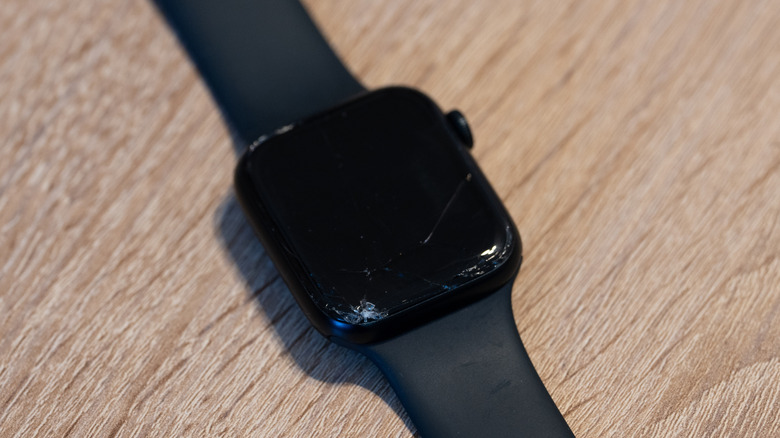
You should expect your Apple Watch to get a little banged up over the years, especially if you wear it every day. You may accidentally hit it against a doorjam or a piece of furniture, drop it, or even scratch the glass. Some damage may be covered by an AppleCare plan if you purchased one, but if you don't have AppleCare, your plan has expired, or the cost of the repair simply doesn't make sense based on the age of your watch, it may be time for an upgrade.
To keep it in good working order, consider purchasing both a screen protector for your Apple Watch and a case that fully protects it on all sides. If you don't like the idea of a screen protector, a bumper-style case will help keep the face of your watch safe. Apple recommends cleaning the front and back of your watch with a lint-free, non-abrasive cloth. It's also safe to use a 75% ethyl alcohol wipe or Clorox Disinfecting Wipes.
Your watch doesn't support the newest features
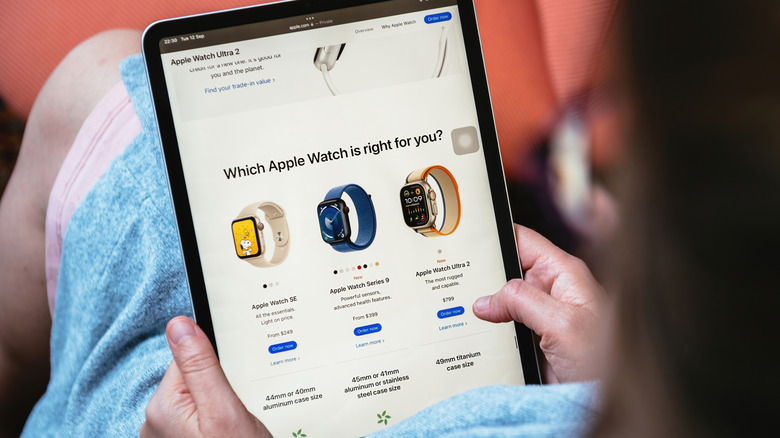
Finally, if the newer Apple Watches offer tech or features that your watch doesn't have, you may want to think about investing in a new model. The most recent series, including 9, 10, and 11, all offer similar features, including sleep tracking, blood oxygen monitoring, and the Vitals app. However, earlier generations don't have hypertension notifications, and if your watch is a Series 9 or older, it has a smaller screen and a slower processor than the newer models. More recent models also offer a slimmer and lighter design, better scratch resistance, and new apps that your older watch doesn't support.
There are marked differences even between the most recent Series 11 and its predecessor, the Series 10. The newest watch has a battery life of up to 24 hours, while the Series 10 will last up to 18 hours. Both models offer fast charging, but the Series 11 takes it to a new level, offering an eight-hour battery boost after only 15 minutes of charging.