

Why Fewer People Are Upgrading Their Phones To The Newest Model Every Year
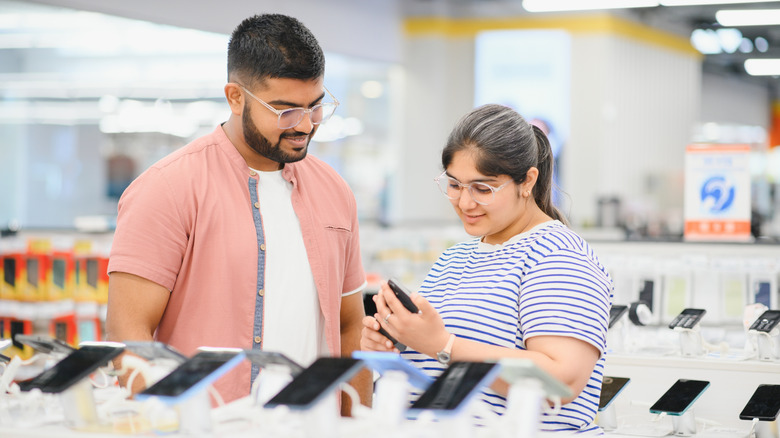
With the exception of technophiles who may update their phones annually simply because they love new technology, most of us upgrade our phones for a variety of fairly simple reasons. We want longer battery life, a more capable camera, better performance, or even just a new color. Three of the largest phone makers in the U.S., Apple, Samsung, and Google, debut a new lineup of phones every year, but how many people are truly upgrading that often?
The first iPhone was released in 2007, and the second version, the iPhone 3G, followed a year later. Technology rapidly evolved. Smartphones got smarter, an app was released for virtually any need, and we all ditched digital cameras in favor of our phones. Phones evolved so quickly that many people upgraded once every year or so just to stay current. Now the rapid evolution of smartphones has slowed a bit, and people are keeping them for an average of about three years, though a September 2025 study by Assurant found that the average age of traded-in devices set a new record at 3.88 years. A 2024 survey of iPhone users by Consumer Intelligence Research Partners (CIRP) found that about 33% of iPhone buyers that year had kept their previous phone for at least three years.
Is slowing technology the only reason people are upgrading less often? Of course not. There are other factors at play, including cost, device performance, and the availability of software upgrades.
Why do people upgrade?
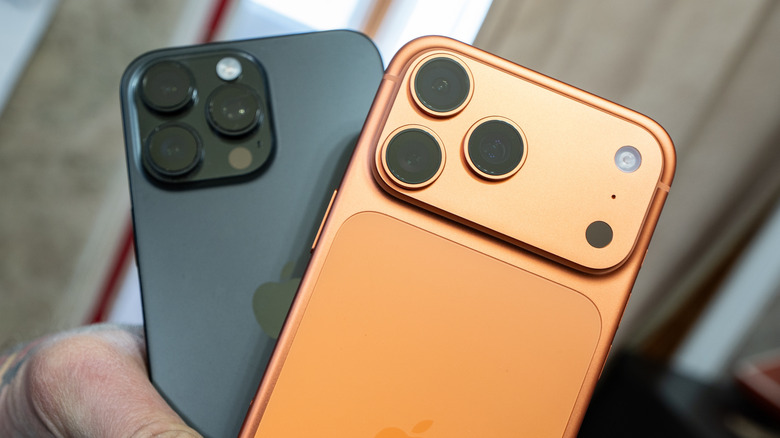
The advertising blitz for Apple's latest lineup of phones is hard to miss, but many of us simply aren't in a rush to upgrade. This partly has to do with how good modern phones are, especially when it comes to battery life. Battery capacity has improved, and many smartphones have battery optimization options that extend the life of your battery. Many users elect not to upgrade until they see a significant decline in battery life, which may take several years.
Some smartphones are more durable than others, but a multitude of users elect to insure their phone against damage and theft. If your screen is cracked, for example, the insurance will cover the cost of a new screen. For many, it's easier and less expensive to repair a damaged phone than it is to purchase a new one, and cost is a primary concern for many that are thinking about upgrading. The cheapest phone in Apple's current lineup, the iPhone 17, is $799, while the Galaxy S25 FE, Samsung's least expensive phone, is $709.99. Even if you're spreading out payments over two or three years, a new phone adds quite a bit to your mobile bill.
Finally, many people wait until their current phone is no longer able to receive software updates before upgrading. If it can still receive security and operating system updates, some consumers just don't see a need to purchase a new phone.