

Study Shows Dangerous Plastics Are Being Used As Fuel To Heat Homes
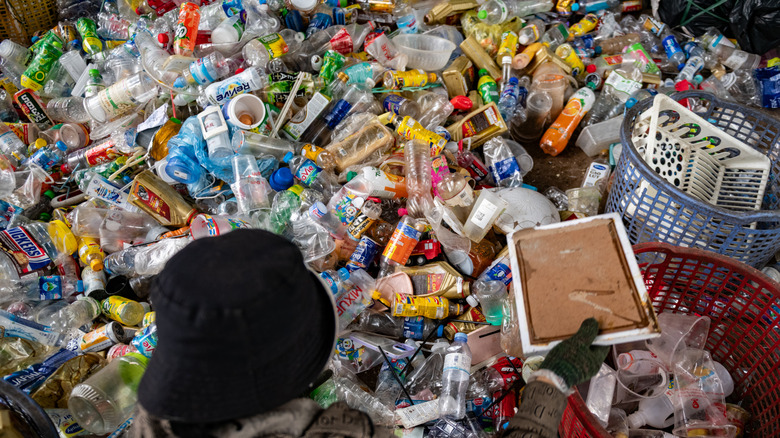
Plastic was, at one point, something of a wonder material. Cheap to manufacture, surprisingly durable, and remarkably versatile, plastics have played an important role in the development of the world as we know it. Celluloid, for example, made many products more accessible to 19th-century consumers and served as a cheap alternative to materials such as ivory and tortoiseshell. One of its successors, Bakelite, was even more important, arguably helping to usher in the world of consumer capitalism and disposable plastic products we're familiar with today.
But we now know that plastic poses as many problems as it solves. For one, the manufacture of plastics generates a significant amount of greenhouse gases, contributing to global warming and its many side effects. The finished products, on the other hand, contribute to oceanic pollution and the spread of potentially injurious microplastics. While science has discovered many unexpected ways to recycle plastic trash, the reality is that not all plastic gets reused safely.
Case in point: a 2026 study, led by Australia's Curtin University and published in Nature, found that the burning of plastic waste as fuel is disturbingly common in the Global South. Speaking to Phys.org, lead researcher Dr. Bishal Bharadwaj said that the researchers "[F]ound evidence of people burning everything from plastic bags and wrappers to bottles and packaging, just to meet basic household needs." The numbers make for grim reading: up to a third of the study's 998 respondents claimed that they were aware of the practice; even more disconcertingly, nearly half expressed some level of agreement that burning plastic in stoves was common practice.
The dangers of burning plastic
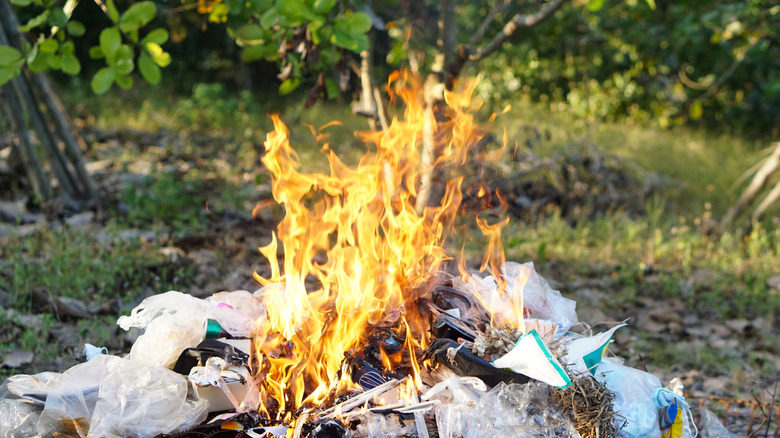
Burning plastic for heat may be convenient, given how easily it burns and how much plastic waste is out there (an estimated 52 million metric tonnes, according to a 2024 study published in Nature), but the practice has a wide range of health hazards. Burning plastic has been shown to produce toxins that can harm our health. Dioxins, for example, can damage our neurological and respiratory systems and even cause cancer. Skin lesions, asthma, emphysema, and immune system disorders have also been linked to the toxic emissions from burning plastic.
The respondents to the Curtin University survey cited above hailed from 26 countries in the Global South — one from Latin America, 14 from Africa, and 11 from Asia — were not unaware of the risks: 62% thought that it was "extremely likely" that burning plastic generated toxic fumes and polluted the air, with a similar number believing that the byproducts were also poisoning the food and water they ate.
The study found that burning plastic waste was much more common in households that lacked access to waste management facilities, lived in poverty, or didn't have access to clean energy sources — or, sometimes, all of the above. Thus, it's as much of a systemic issue related to problems such as inequality and haphazard development as it is a simple lack of awareness of the dangers of setting fire to plastic waste. So, while sustainable tech products that use recycled materials are undoubtedly a good thing, there is still much more that needs to be done to tackle plastic and the problems it poses.