

12 Things You Should Never Store In Your Car Or Truck
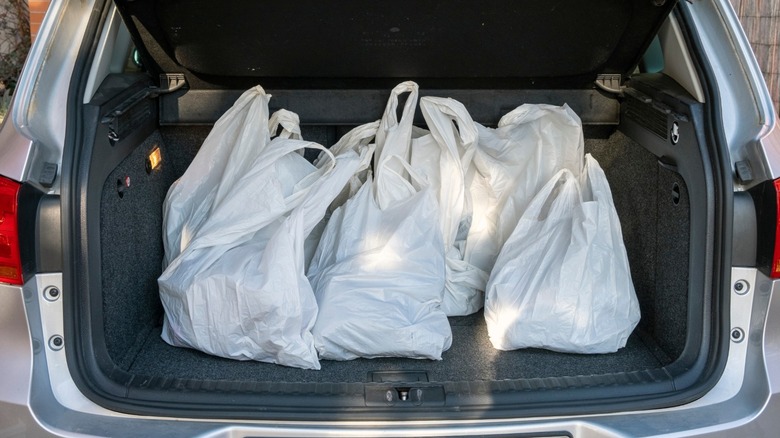
It's quite convenient to store things in your vehicle, especially items that you use all the time when you're on the go. While there's nothing wrong with turning your vehicle into a rolling storage unit, making it an extension of your home or office, keeping so much stuff inside it for long periods also increases the risk, not just to the car, but to the driver and passengers as well.
Even though it's tempting to just leave your stuff in your ride as you go into your office or run errands all day, there are some objects that you should never leave in your car or truck. You might be surprised by how many pedestrian, everyday articles could interact with how extreme the environment in your car can get when no one's inside it, posing a danger when left in a hot or cold vehicle. Alternatively, leaving these belongings in the cabin could increase the risk of your vehicle getting broken into, or they're simply too valuable to just leave unattended in case something happens to your car.
Aerosol Cans
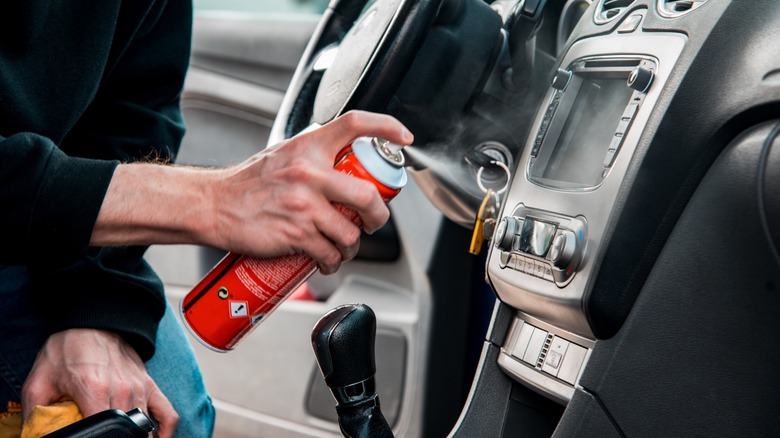
While WD-40 is a pretty handy product for keeping your car in tip-top shape, it's one of the things that you shouldn't really store in your vehicle. This is because it's kept in a pressurized container that might explode when subjected to extreme temperatures. Note that this isn't just a theoretical possibility — there have already been reported incidents in the past where an aerosol can burst inside a vehicle, causing major damage to its interior.
This isn't just limited to cans of WD-40, too. Everything stored in a pressurized vessel, from deodorant to spray paint, shouldn't be left in a vehicle. That's because even if the ambient temperatures are as low as mid-20 degrees Celsius (around 80 degrees Fahrenheit), a car baking under the sun traps heat inside the cabin, causing internal temperatures to go over 48 degrees Celsius (120 degrees Fahrenheit).
Temperatures like this can cause the gas inside the aerosol can to expand. But even though the container should be robust enough to handle it, it can only do so to a point. If the thermal energy becomes too much for the metal body, or if there's a tiny imperfection in the cylinder that becomes a point of failure, it could fail and fail spectacularly. The best scenario should this happen is that it will explode inside an empty car — but there have also been instances when a heated spray can would blow apart in the hands of an unfortunate user.
Bags and valuables
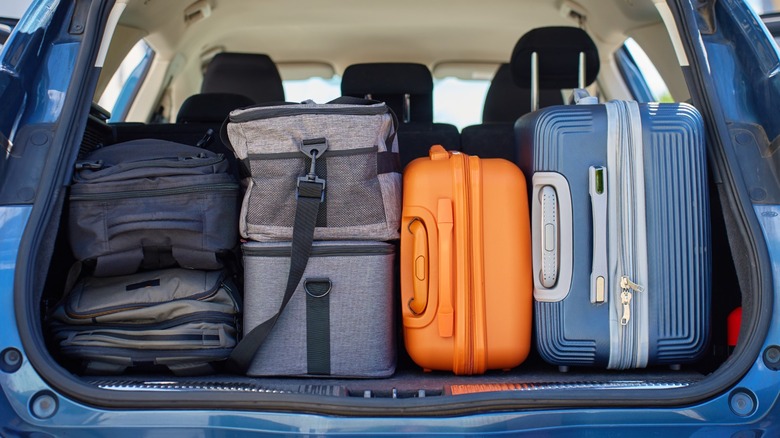
This might be difficult if you carry a lot of bags with you — say you have your purse, your laptop bag, and your gym bag. While it might be easier to leave your stuff in your car when you don't need them, doing so makes it a target, especially if they can be easily seen. Remember that experienced criminals can do smash-and-grab theft in a matter of seconds, so even if there's security around, they might be unable to stop your car from getting damaged and your bags getting stolen.
Aside from your bags, this also applies to valuables, especially those that can easily be spotted from afar. You could be keeping a pair of earrings in a cup holder, or you have your laptop placed on the passenger seat with all the other gadgets that make it easier to work in your car. These items are tempting targets, so it's best that you don't leave them in your vehicle.
If this cannot be avoided, keep your bags and valuables out of sight, preferably in the trunk or covered with a tonneau. While you could keep smaller items under your seat, they might still be seen through the window, especially if you have a strap or something similar peeking out. Aside from that, it's also usually one of the first things that criminals check if they break into your vehicle. By keeping your items unseen, there's less chance that thieves will target your car.
Batteries
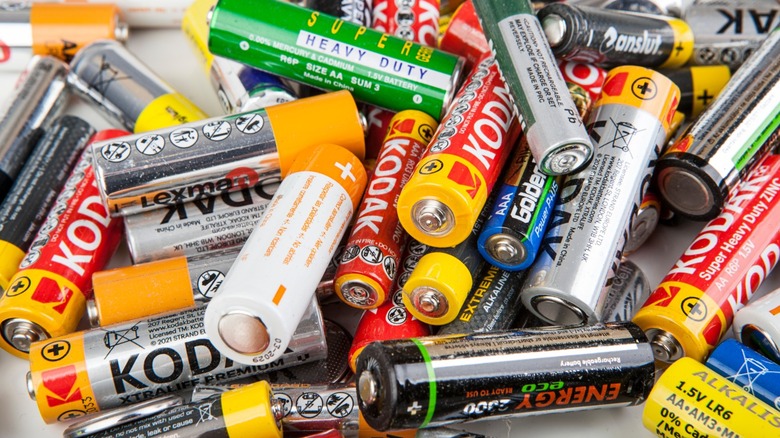
Keeping your battery-powered tools in your work truck or having a spare power bank in your car just in case you need to charge your devices might make sense, but you should avoid that. That's because even though a battery pack might feel robust and heavy duty, it's actually temperature sensitive, and extreme cold or heat could negatively affect its lifespan.
One of the things you need to know about modern lithium batteries is thermal runaway. This is when it gets too hot — like being left inside a car under the sun — and starts a reaction within the battery cells that produce more heat. It then snowballs to a point that battery chemicals break down, releasing dangerous gases that make them swell. From there, it could explode and catch fire, igniting other materials around it. Note that battery fires are hard to extinguish, causing great damage to your vehicle once they get going.
Most power banks and battery packs won't automatically combust or explode if you leave it in your car, but it's better to avoid this risk by not keeping them in your vehicle. Aside from that, exposing them to extreme temperatures reduces battery life. Both extreme cold and heat affect how long it will last, so if you want to extend your power pack's life, keep it stored in a cool, dry place rather than in a hot car or even a hot garage.
Cosmetics and lotions
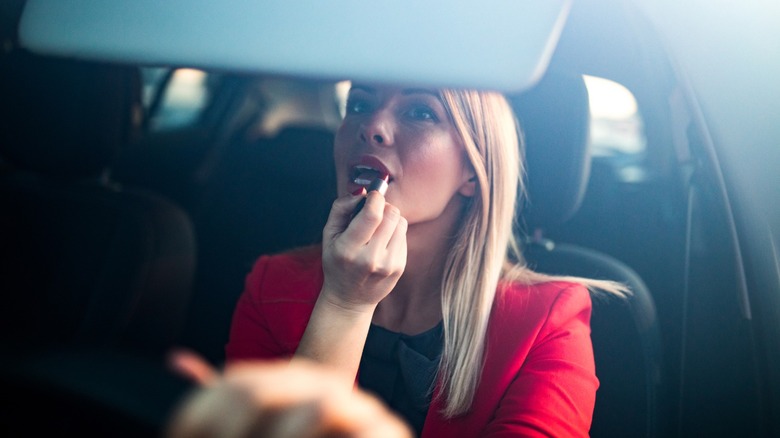
Ladies often find it convenient to keep their makeup kits in the car, especially as many need to touch up their looks before heading to wherever they're going. Even though it may seem practical to keep your cosmetics in your vehicle, doing so may actually damage some of them. This is especially true for items like lipsticks, cream-based products, eyeliners, and mascara, all of which are sensitive to the high temperatures that your car's interior experiences when parked under the sun.
One way you can check if a particular product is safe to leave in a car is to look for its storage instructions. If it says that it must be kept under 30 degrees Celsius or 86 degrees Fahrenheit, you shouldn't keep it in your vehicle as temperatures in parked cars can soar up to 50 degrees Celsius or 123 degrees Fahrenheit in just an hour of being under the sun. Doing so could make the components of the makeup or cosmetic to melt or separate.
This is also true during the winter, when your vehicle is subjected to sub-zero temperatures. Cosmetics and lotions, especially those with water content, could freeze, making them unusable. Even if you thaw them later, their components might have separated by then, rendering the entire container useless. You should also note that water expands when frozen, so it might break the container they're in if there's not enough space inside it.
Crayons and markers

It's hard to keep kids entertained, especially if you're taking a long road trip. If you're controlling your child's screen time and don't want them binging videos or games on these kid-friendly tablets as you drive, a notebook and crayons or markers might be a good idea for distracting them from boredom and keeping them occupied. In fact, this activity could even encourage them to be creative.
However, once you get to your destination, you should account for all the crayons and markers that your kids have used in the car unless you want an unpleasant surprise. That's because crayons will easily melt in a hot car, which the Tempe Fire Department has demonstrated on Instagram. While you can still clean melted wax off your car's seats and surfaces, with Crayola sharing helpful stain-removal tips, it's still a hassle you need to deal with. This is also much more difficult if you have cloth seats and they've absorbed the crayon wax. Unless you have leather seats in your vehicle, consider getting some of the best cheap car seat covers on Amazon to protect your vehicle's seats.
On the other hand, while markers are less likely to make a mess when left in a hot car, there's a good chance that they will dry up. That's because they often either use water or alcohol as their base, which will easily evaporate in high temperatures. When that happens, then the marker will dry out even if it's still new.
Electronics
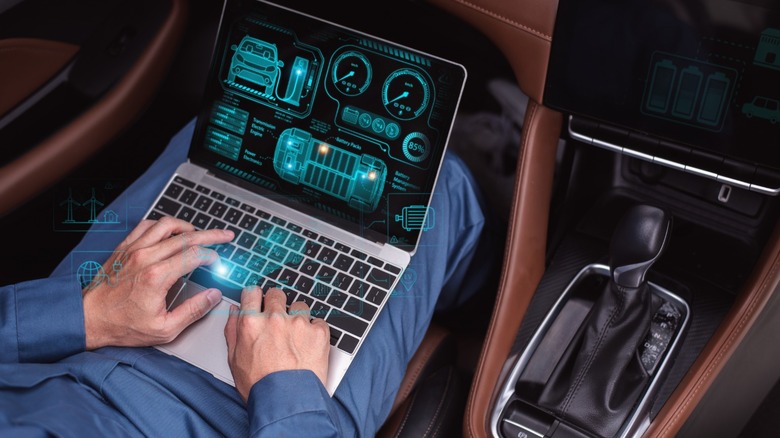
Many people think their car is a safe place to store their electronic devices, such as smartphones, tablets, and laptops. And while you can typically lock your vehicle when you leave it parked, would-be thieves can still look into your car and spot them from the outside. Just as leaving bags and valuables inside your car makes it a target, leaving electronics inside your car does the same. Aside from the loss of your gadget, which can be expensive, you also have to deal with repairing the window that the thief broke into to steal your gear.
Aside from this, many modern electronics have built-in batteries. As we mentioned earlier, leaving them in a hot or cold car can significantly shorten their lifespan. Aside from that, the high temperatures that cars can experience when parked under the sun could cause some batteries to fail, bloat, or worse, catch on fire and explode. If it cannot be helped, it's best to keep your electronic items hidden in your trunk. That way, they cannot be seen from the outside, reducing the risk of your vehicle being broken into. Aside from this, it will keep them out of direct sunlight, helping them stay a bit cooler (even though the trunk can get pretty hot, too).
Flammable materials

It might be common sense to most people that you shouldn't keep flammable materials in your vehicle. However, even the most conscientious driver might forget that they're carrying combustible materials, especially if it's not obvious that the item can easily ignite. Many often think that flammable materials include garage staples like WD-40, oily rags that you use for wiping your hands clean, and cans of paint.
However, there could be other less obvious flammable items that you might be leaving in your car. These include alcohol-based items like hand sanitizer, nail polish remover, which contain highly flammable acetone or ethyl acetate, and lighters, which might leak if the fuel inside expands due to heat and compromise the container. What's worse is that because the gas is contained within the car's cabin, it increases the risk of an explosion if there is a nearby fire or heat source.
Even if they're just small items, it's best that you always carry your alcohol and lighter with you. If you're ferrying flammable items like paint and WD-40 from one place to another, it's best to avoid unnecessary stops to reduce the risk of your vehicle catching fire.
Glasses
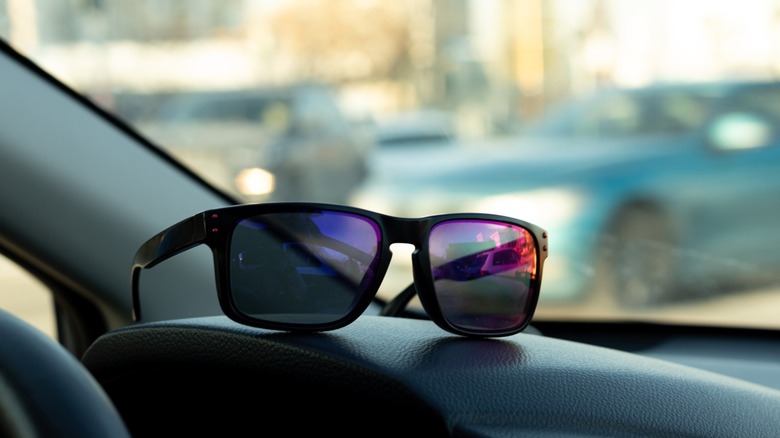
Some cars on the road have a built-in cubby hole or storage for sunglasses, and you can easily buy clips on Amazon to store your eyewear on your vehicle's sun visor. These spaces and accessories are meant to store your glasses while you're driving, but you should always take them with you once you park. That's because sunglasses (and even ordinary spectacles, for that matter) aren't designed to hold up to the searing temperatures that you'd find in a car left under the sun.
If you habitually leave your sunglasses in your car, the heat inside can cause the plastic lenses and frames to deform. If you leave it on your dashboard under direct sunlight, it can even cause the tint to fade and lead to cracks or delamination. High-quality sunglasses with metal frames and glass lenses might not be as affected, but they will still take several minutes for them to cool down once you turn on your car. I know this from experience when I used to leave my glasses in my car's overhead pocket when I park — I would be unable to use them when I start driving because they're simply too hot to touch.
Important documents
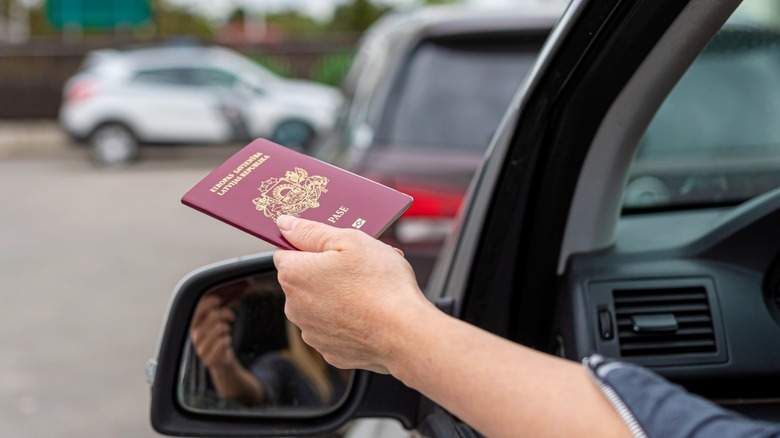
Boxes of paperwork and documents in the back seat of your car is unlikely to catch the attention of criminals. After all, most of them are after a quick buck, and sorting through stacks of paper would take time. However, if someone does steal your vehicle with important data in the back, then you're going to be in a world of trouble. That's why you shouldn't keep these important documents permanently inside your vehicle.
Some drivers think that they need the bill of sale and vehicle title or pink slip inside their car all the time, but this isn't a requirement. Instead, all you need is your car's registration and proof of insurance. Keeping the pink slip and other similar documents in your car could make it easier for a thief to illegally sell your stolen vehicle, especially because they contain your personal information and the criminal could impersonate you. So, you should leave them in a safe place in your home.
This also applies to documents that could contain your personal information, like your social security number and your passport. If someone steals your car or the bag that contains them, they could then potentially sell your identity to someone else, which becomes a much bigger problem than just trying to recover your missing vehicle.
Medicine
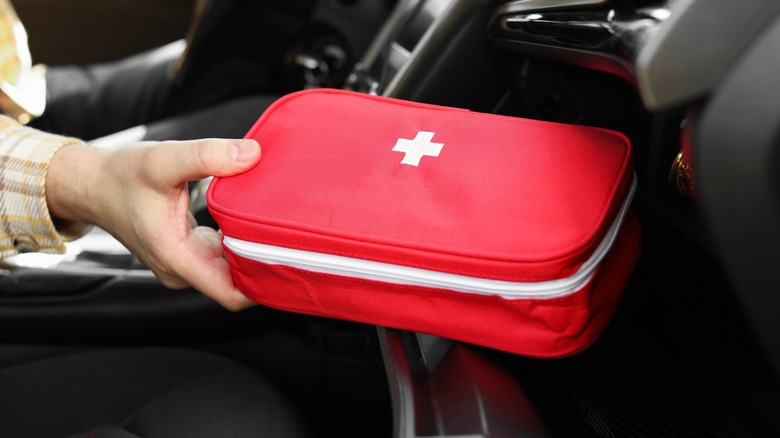
Much like cosmetics and make up, medicine must also be kept within a temperature range to ensure their effectivity. If you store them within your car, the wildly fluctuating temperatures could reduce their potency and make them less able (or even unable) to work as intended. Some examples of this include, insulin, EpiPens, and inhalers — medicine that are sometimes used for emergencies. Keeping them stored in a hot car could mean that they might not have a reduced effect, which can be dangerous to the patient.
Aside from that, medicines have an expiry date. If you keep a medicine box in your car, you might've failed to notice that some of them have already expired. The combined effect of extreme temperatures and the medicine's expiration might mean that it doesn't work at all anymore. The safest thing you can do is to keep your emergency and maintenance medicines in a small bag or pouch that you always take with you, ensuring that they're always ready to go in case you need them.
Perishable food
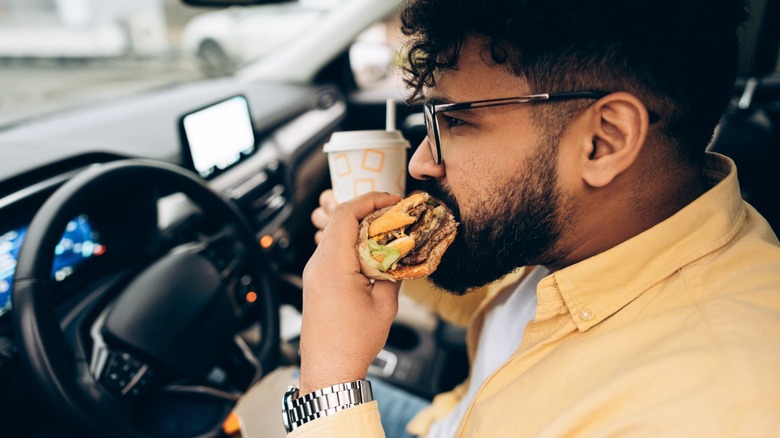
Aside from medicines, perishable food is also another thing that you should not keep in your car. The USDA Food Safety and Inspection Service say, "Bacteria grow most rapidly in the range of temperatures between 40 and 140 degrees Fahrenheit, doubling in number in as little as 20 minutes. This range of temperatures is often called the "Danger Zone." That's why the Meat and Poultry Hotline advises consumers to never leave food out of refrigeration over two hours. If the temperature is above 90 degrees Fahrenheit, food should not be left out more than 1 hour." This makes the interior temperature of cars parked under the sun the perfect breeding ground for bacteria.
I've personally experienced this myself, when I ate a burger I left in the car for just a couple of hours. It didn't smell or taste different at all, but I ended up with food poisoning for a couple of days after that. Unless the food you left in your vehicle is packed in a can or in airtight foil-lined plastic bags (like potato chips), the safest course of action is to just dispose of them so that you do not risk getting sick.
Water bottles
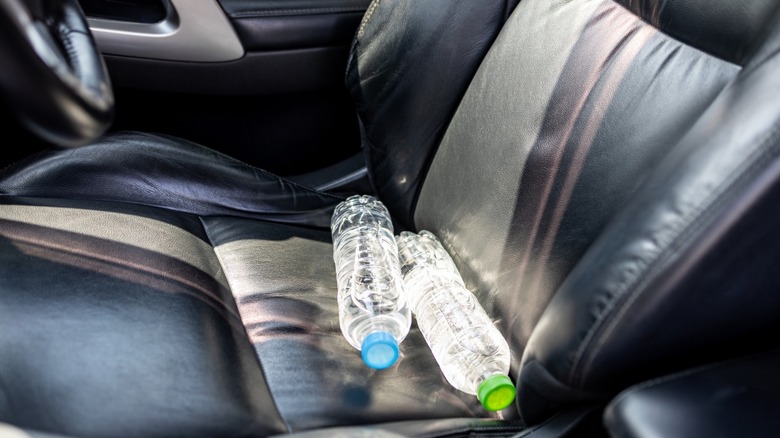
You shouldn't keep water bottles in your car because the heat building up in the cabin can cause the plastic to leach unwanted chemicals into the water. Even though the FDA says that the material used for water bottles are safe, some experts still disagree, linking them to chronic health conditions later in life. But aside from that, the temperatures in the hot car are perfect for making bacteria grow in the bottle, especially if you've already drank from it.
Another reason you shouldn't store bottles of water in your vehicle is that, if the sun hits it at just the right angle, it can refract the sun's rays and focus them on a single point, setting whatever surface it hits on fire. One technician for Idaho Power noticed this phenomenon when his water bottle, sitting on the passenger seat, started burning a hole in the vinyl seat cover. He even recorded a video of the event and posted it on Facebook to prove that it could happen.