

6 Power Tool Battery Brands With The Best Warranty

We may receive a commission on purchases made from links.
When you're in the market for a cordless power tools, it's just as much about the battery as it is about the performance specs and the price. No matter if you're a power tool professional or a weekend DIYer, you want to buy a battery that's going to get you through the task at hand. To that end, you're probably also paying attention to the warranty behind the battery. That matters just as much as any torque ratings or runtime claims.
Of course, batteries are consumable by nature. They degrade over time, and they're expensive to replace. In other words, they're kind of a pain. But a strong warranty can do a lot to offset the long-term cost of owning a power tool. (While a weak one can leave you footing the bill a lot sooner, and even for a lot more money, than you expected.) We took a closer look at warranty language across many of the top power tool brands. Our mission: to find out not just how long coverage lasts, but how confident a manufacturer is in its products and how easy it is for customers to actually get the battery replaced when something goes wrong. These are the six that stood out the most.
Ridgid offers lifetime coverage - with conditions
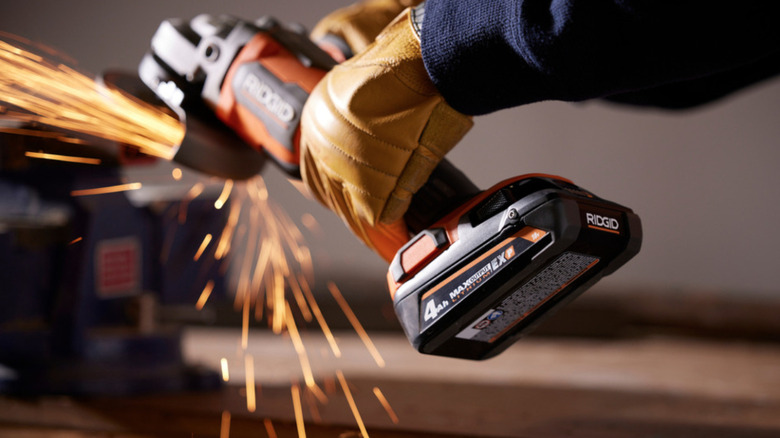
Ridgid separates itself from nearly every other major power tool brand by offering a Lifetime Service Agreement that explicitly includes batteries. Unlike standard limited warranties that expire after a certain number of years, Ridgid's program promises you a free battery replacement for the lifetime of the original purchaser. Of course, it's only as long as some specific requirements are met. For one, you have to register the product. What's more, it only applies to Ridgid tools bought at Home Depot.
If you want to enjoy that Lifetime Service Agreement, you have 90 days from the date of purchase. From there, you have to submit the proof of purchase and any other documentation they ask for (such as serial numbers). After that, if you check all the right boxes, Ridgid will approve your registration. If you don't sign up for the Lifetime Service Agreement, Ridgid still gives you some solid battery warranty coverage: three years that applies automatically from the date of purchase. During this period, any defects or failures are covered, even if you never registered the product.
Ryobi has a three-year battery warranty (with one or two exceptions)
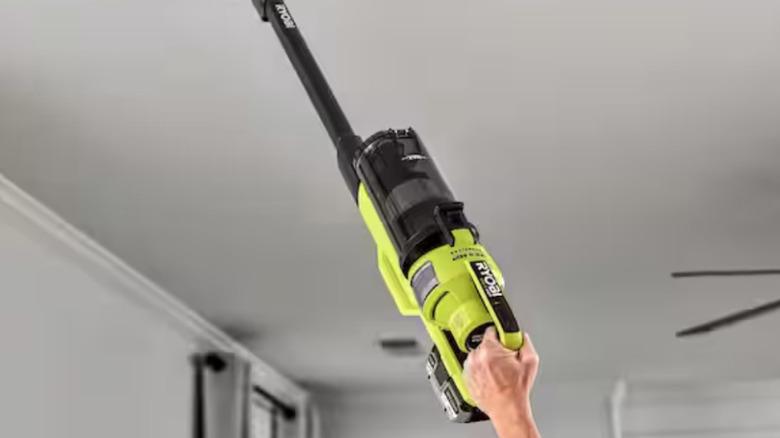
Ryobi takes a simpler, more conventional approach to battery coverage: a three-year limited warranty on all its 18V and 40V batteries. The terms are pretty cut and dry. Batteries are covered against defects in materials or workmanship for three years from the date of purchase, just as long as the buyer can provide a proof of purchase when they request service.
Beyond that, Ryobi also gives you a 90-day exchange policy on your batteries. During the first three months of ownership, you're free to return a defective tool or battery to the retailer for an exchange instead of going through the service process. This can be especially useful for early failures, meaning you don't have to go through the whole warranty process to get your replacement. To take advantage of the three-year warranty, you'll have to return the battery to an authorized service center. Once you do that, Ryobi will repair or replace the thing at no charge.
That said, there are a couple of exceptions to this rule: The company's USB Lithium batteries and the company's mower batteries. The former has only a two-year warranty, while the latter (both 80V and 40V 12.0Ah versions) has a five-year warranty.
Ego has strong coverage that you can make even stronger
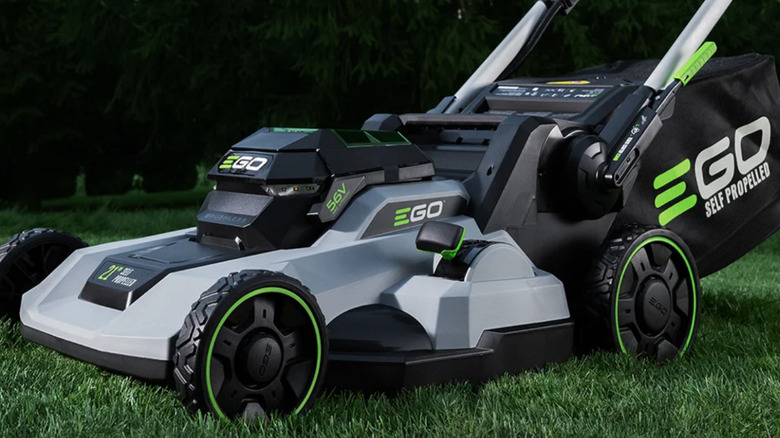
For most Ego batteries, the warranty's going to be locked in place at three years. That's what you get with all but two of their battery types, and you get it right out of the package. No need to register or anything. However, if you're working with one of its 56V batteries, like in a mower or snow blower, you can get up to five years of warranty coverage. The only catch is that you have to register your battery within the first 90 days of buying it, otherwise you default to the three-year warranty period.
For professional or commercial use, Ego's warranty periods are much shorter. You typically only get one year, but with the option to extend with registration on select products. But again, that's for professional/commercial use, so not exactly something the average everyday consumer needs to worry about.
Ego's warranty covers defects in materials or workmanship and provides free repair or replacement for qualifying batteries. Coverage is also exclusive to Ego products bought from authorized Ego retailers, which means you can't buy one secondhand and expect the same protections. As is often the case, proof of purchase is also a must.
Makita's battery warranty is three years across the board
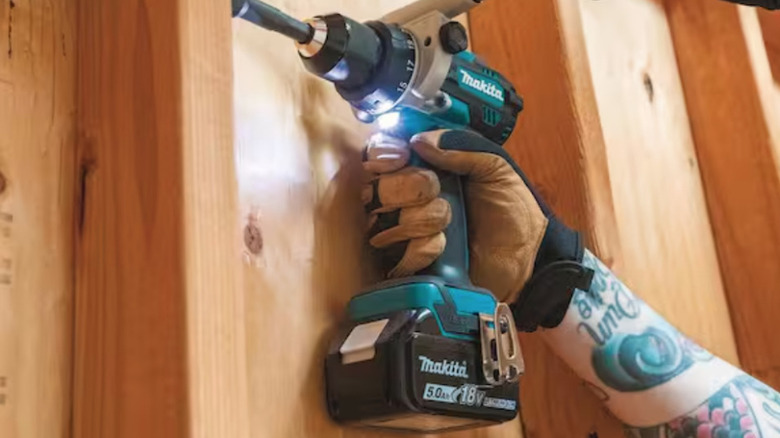
Makita offers shoppers a clean, consistent warranty of three years, no matter the battery size. That three-year term applies to lithium-ion batteries, tools, and chargers alike. It's a nice, simple warranty that spans across Makita's cordless ecosystem. If there's a defect in materials or workmanship within those three years post-purchase, Makita will repair or replace the battery at no cost to you. Naturally, Makita's battery warranty won't cover any damage caused by normal wear and tear, abuse, misuse, unauthorized repairs, or use with non-Makita tools.
Here's why Ryobi has the slight edge, though: Makita also backs its products with an exchange policy, but it's only 30 days instead of Ryobi's 90. This return or replacement guarantee still lets you return the battery for a free and even exchange, but in only a third of the time. Still, it's hard to beat a three-year warranty out of the box. That's appealing in and of itself, regardless of the return window.
Hercules has a reliable three-year battery warranty
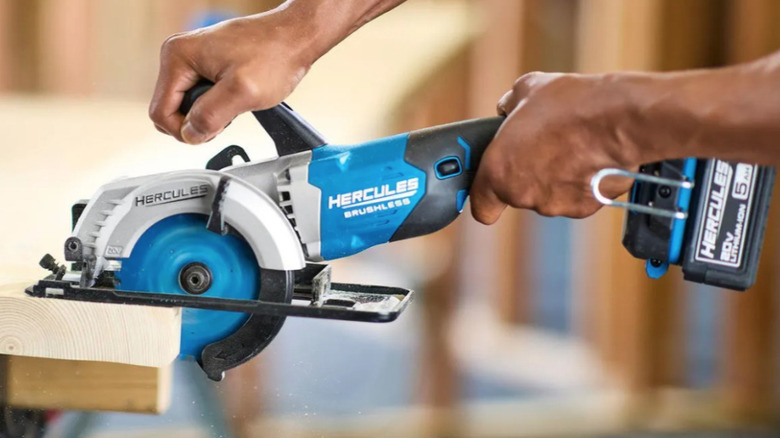
Ever heard of Hercules? It might not be as recognizable as some of these other guys, but it's one of Harbor Freight's exclusive in-house brands, and it has a pretty nice warranty. Shoppers get three years of limited coverage on all 20V Hercules batteries bought from August 19, 2022, onward. This warranty covers defects in materials and workmanship and doesn't require you to register the product, which is always a nice plus.
Being a Harbor Freight brand, Hercules leaves all the warranty service to Harbor Freight retail stores. There, customers can bring their defective battery with the proof of purchase and ask to take advantage of the warranty. If the defect is legit, Hercules (by way of Harbor Freight) will repair or replace the battery at no cost to the buyer. As with most of the brands we've mentioned, the warranty excludes any damage caused by misuse, abuse, normal wear and tear, or any unauthorized modifications.
Milwaukee's coverage is tiered depending on battery type
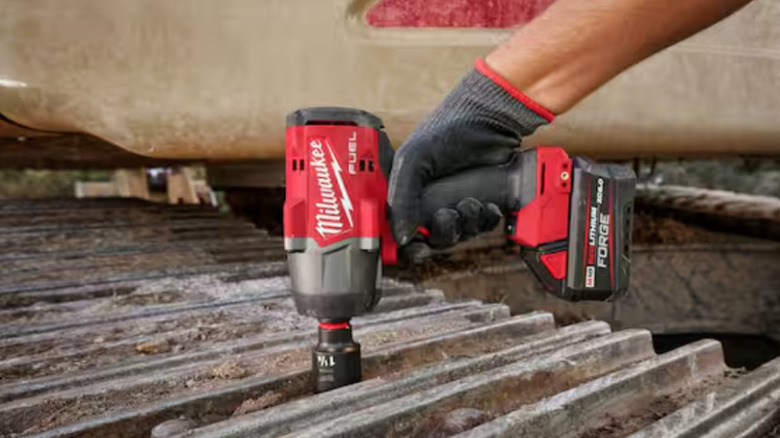
Milwaukee's battery warranty is one of the most detailed (not to mention complex) among the TTI family of power tool brands. Rather than offering a single warranty length, Milwaukee gives different coverage periods based on battery models and battery chemistry. All are pretty generous, but it still helps to know where each of the different types falls.
For starters, most of the company's modern lithium-ion batteries fall under either a three-year or two-year warranty. Same goes for its M18 lithium-ion batteries, where the warranty lasts three years from the date of purchase. The brand's other lithium-ion models are covered for two years, and some of its legacy batteries get just one year of coverage. Conveniently for owners, Milwaukee doesn't make you register the battery to get the warranty. All you need is proof of purchase. Otherwise, they'll just go by the manufacturing date.
All Milwaukee battery warranties are limited to defects in materials or workmanship. They exclude normal wear, misuse, or unauthorized repairs, which isn't out of the ordinary for a battery warranty. To get yours serviced, just return the battery to a factory service center or authorized service station.
Methodology
To determine which power tool battery brands offer the best warranties, we independently reviewed and evaluated the official warranty policies published by each manufacturer. Our analysis focused on battery-specific coverage, including warranty length, eligibility requirements, registration rules, service procedures and exclusions. We also considered whether coverage extended beyond manufacturing defects to include normal wear or degradation.