

This State's Expanded 'Ignition' Law Could Leave Drivers Facing $5K Fines

Given our society's predilection for alcohol, it might be hard to fathom that, according to a Gallup poll, the average adult in 2025 only consumed 2.8 alcoholic drinks a week. That's a far cry from the 13 drinks per week people were estimated to have consumed between 1900 and 1915.
In 1906, New Jersey became the first state to ban drunk driving. Four years later, New York and Massachusetts passed similar laws. By the mid-1930s — hot on the heels of the 13-year Prohibition era — most other states had done the same. Things have come a long way in the century since then. Numerous additions to and evolutions of those founding laws have been made, and now we're dealing with questions like whether or not you can get a DUI in a self-driving car.
California passed its first legislation against drunk driving in 1911. The fines were minimal, and serving jail time wasn't a given. However, accidents due to drunk driving have only increased since then, with DUI fatalities soaring by 53% in the state between 2019 and 2025. In response, the California State Assembly passed AB 366, which requires all DUI offenders to use an ignition interlock device (IID) on their vehicles. This is an extension of the previous program, where the use of IIDs only applied to those convicted of two or more DUIs. The new bill took effect on January 1, 2026. Unlike that first 1911 law, it comes down hard by imposing a fine of up to $5,000, up to six months in county jail, or both if drivers fail to comply with the IID requirement.
Data suggests ignition laws do reduce drunk driving fatalities
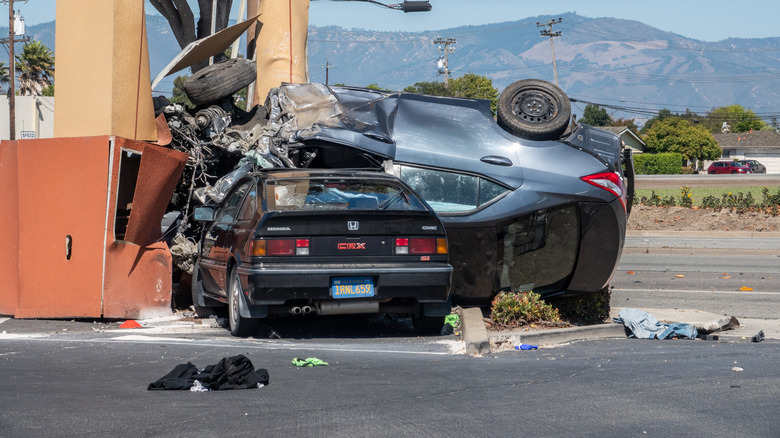
According to an analysis by LendingTree, six of the 10 largest U.S. cities with the highest DUI rates are in California: San Jose, Sacramento, Fresno, Long Beach, Bakersfield, and Oakland. When Governor Newsom signed AB 366 into law in October 2025, it became a permanent statewide mandate and eliminated the first-time offender loophole. The bill's author, Assemblymember Cottie Petrie-Norris, applauded the move, stating that since driving drunk is a crime, people shouldn't get a "first time free pass."
California isn't the first state to implement IID laws, as 33 others already have them on the books. Available data suggests that IIDs stopped over 30,000 drunk drivers from starting a vehicle in 2023. In the same year, California saw 1,479 deaths from drunk driving-related crashes. Overall, accidents involving drunk accidents account for nearly one-third of the state's traffic deaths.
IIDs have stopped millions of drunk driving attempts nationwide over the last 12 years. States with existing IID laws reportedly reduce repeat offenses by as much as 70%. Other states, like Nevada, are also hitting back hard with new DUI laws.