

Radar Cameras In This State Can Now Give You A Ticket, No Cops Involved
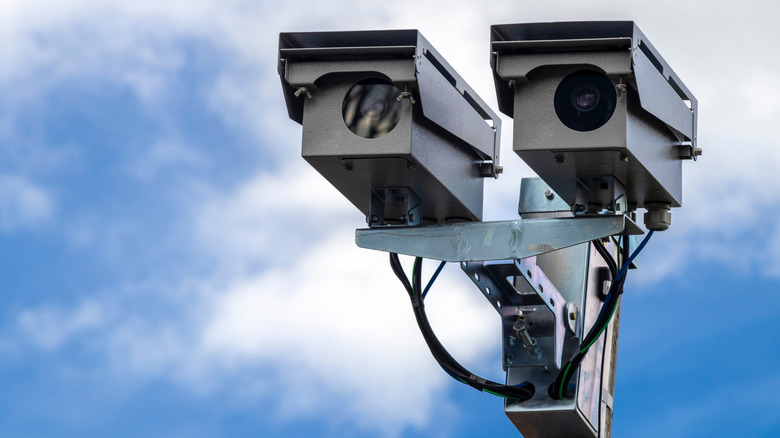
The coming of a new year often means the implementation of new laws, and drivers in the state of California have become quite used to adapting to new road laws every January. In 2026, drivers in some parts of the Golden State could find themselves getting speeding tickets purely enforced by automated systems without an actual police officer involved.
The move comes on the heels of a couple of different state laws from recent years, which opened the path to increased automated enforcement of speeding violations. And the application of these laws will take place on both the streets of local municipalities and in highway work zones across the state in the coming years.
While the new laws will immediately impact drivers in California, they more broadly represent the latest examples of increased automated traffic law enforcement across the United States, which has also included bus-mounted traffic cameras in New York City. And if other states' experiences are anything to go by, California's newest ticketing system will probably be met with mixed reactions from citizens — not just for the surveillance aspect but also the possibility of inaccurate or inconsistent enforcement.
No officer needed
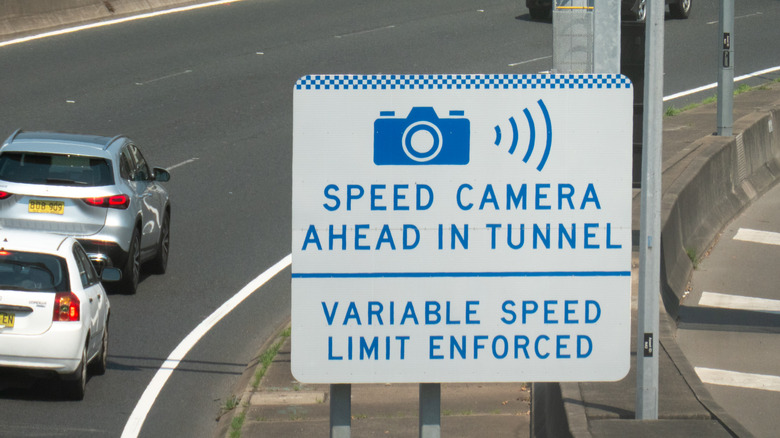
Using technology to aid in traffic law enforcement is nothing new in California. But up to this point, cameras have been used for tasks like traffic-light enforcement, or for toll violations on bridges or highway express lanes, where it's obvious and provable when a car is doing something it shouldn't be. Speeding enforcement, though, beyond tools like radar guns, has typically required the human input of a police officer or highway patrol officer to actually oversee the situation and issue a violation, or perhaps even let you off with a warning if the speeding wasn't egregious.
Though already common in other countries and in some U.S. states, Californians haven't yet had to deal with speed cameras on their commutes. Until now, that is. California passed two speed camera laws in recent years: AB 645, which was approved in 2023, and AB 289, which takes effect starting in 2026, both of which authorized the state to begin pilot programs for automated speed cameras. The systems work by monitoring speeds in designated areas with lasers and radar, taking photos of vehicles going over the limit, and automatically issuing speeding violations based on the car's license plate information.
The earlier law, AB 645, specifically authorized certain California cities, including Los Angeles, San Francisco, San Jose, and Oakland, to begin automated speed enforcement pilot programs on their own streets — and some cities have already started. The newer law, AB 289, effectively does the same thing, but for temporary highway work zones across the state, as overseen and implemented by the California Department of Transportation.
Next generation traffic enforcement hasn't been perfect
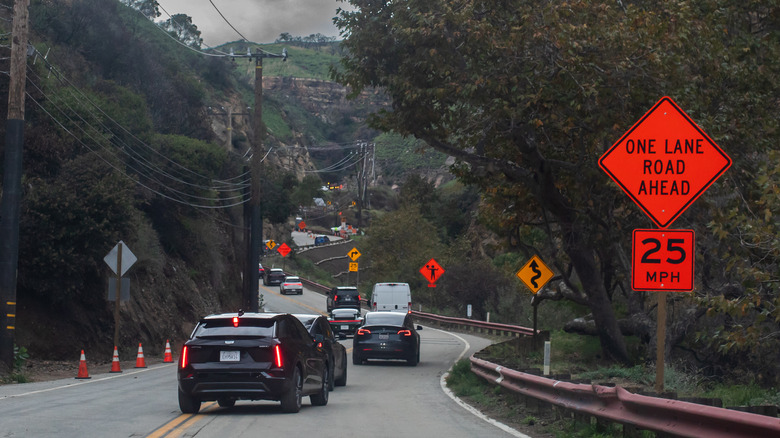
On the surface, using cameras to monitor and issue tickets for speeding drivers makes sense. Excessive speed has always been one of the highest contributors to accidents, after all. But it hasn't always been smooth sailing when it comes to monitoring and enforcing speed limits with cameras alone. In the state of Georgia, for example, drivers have reported issues with school zone speed cameras, claiming that the cameras issue violations to drivers outside of the hours when the limit should be active.
Most California drivers shouldn't expect to start getting speeding tickets in the mail right away, though. San Francisco has installed its speed cameras, but the City of San Jose has only released a map of proposed locations as of the start of 2026. Los Angeles is expected to start implementing the system in mid-2026. The wider-reaching state highway version covered by AB 289, meanwhile, will focus on enforcing speed limits in work zones to protect workers.
As of now, California's new programs are only in the earliest stages, but as with many laws that start small, it's reasonable to expect wider utilization in the future. Time will tell how effectively these automated systems are implemented and what sort of impact they have on road safety on California's notoriously busy streets and highways.