

Mercedes & Red Bull F1 Engines Facing Controversy Ahead Of The 2026 Season
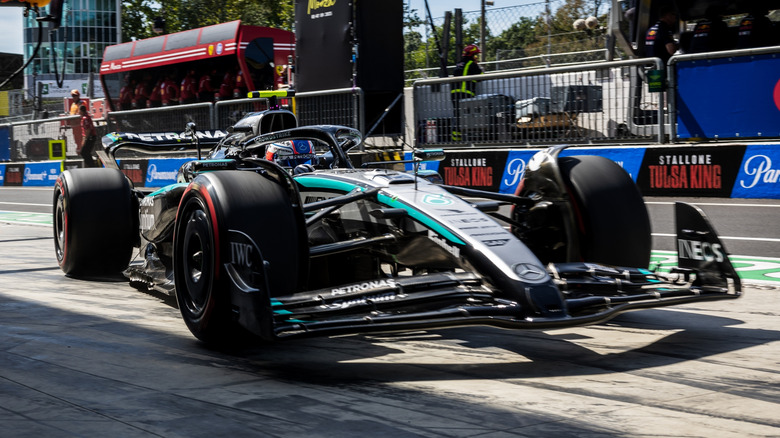
With the turn of the calendar into a new year, there always comes increased anticipation for the new racing season that's to come. As Formula 1 begins the lead-up to its 2026 season, there's already controversy in the sport with accusations of cheating or at least rule-skirting when it comes to certain teams' engines. Depending on how things play out, it could potentially have a big impact on the 2026 grid.
The Formula 1 rulebook is seeing a number of changes for the 2026 season, including significant revamps to the cars' underbodies and active aero system. F1 engines are also getting some big changes for 2026, and that's where the controversy has arisen. During the current offseason, a few teams have raised issues that the Mercedes and Red Bull teams have found a way to skirt new engine compression ratio rules by using materials that allow for increased compression ratios at higher engine temperatures, giving a power advantage along the way.
The FIA has been asked to step in, but the issue is as much about F1's testing procedures as it is the engines themselves, and it exposes the gray areas of rules race teams have used to their advantage since the beginning of organized motorsport.
Compression ratios are the key
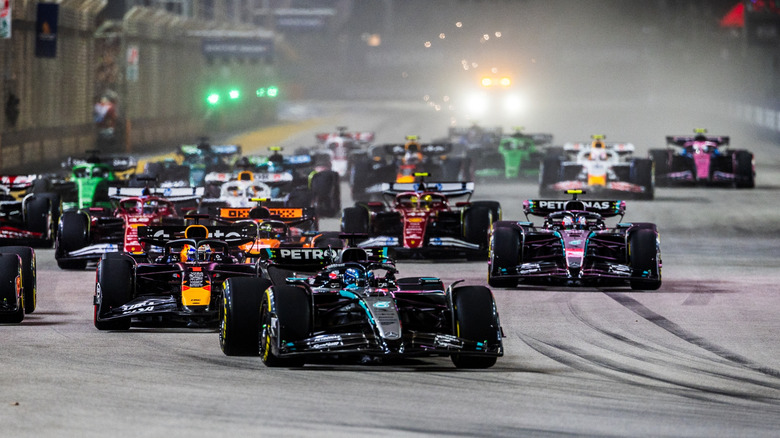
The idea of a variable compression engine is not new or unheard of. In fact, Nissan has been using variable compression ratio engines in some of its road cars for a while now, with mixed results when it comes to reliability. In the case of these racing engines, the suspected compression ratio changes would not be an advertised feature but a physics trick designed to fly under the radar of strict Formula 1 regulations.
With the 2026 engine updates comes a lowering in compression ratios from 18:0:1 to 16.0:1, as part of a plan to reduce engine costs and allow entry for new manufacturers into the sport. But according to complaints from the Ferrari, Audi, and Honda teams, the Mercedes and Red Bull teams have found a way to skirt the rules by using engine components designed for thermal expansion, meaning the engines comply with the rules during static temperature checks, but once in operation and warmed up, the parts expand, boosting compression ratios and power.
Even if the bump in power from the higher compression is modest, on the tightly regulated F1 grid, even small advantages in horsepower and tenths of a second in lap time can completely upend the hierarchy on the grid. The situation is made more significant because it involves engine internals, which can't simply be swapped out at the drop of a hat after a season starts.
It's all about the gray area
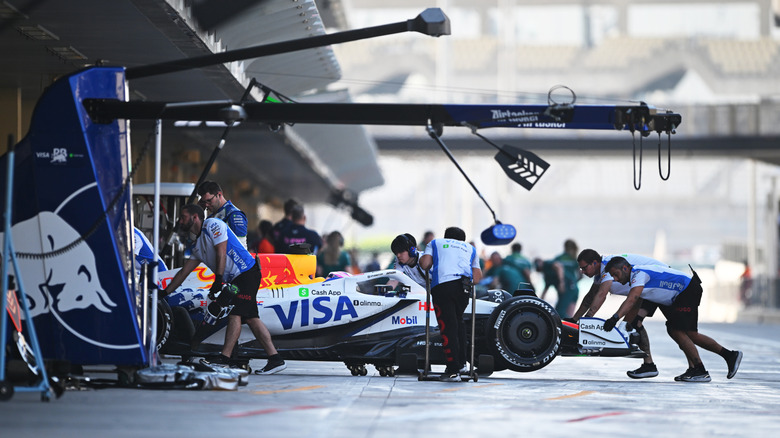
The FIA, which governs the rules around Formula 1 cars, has been made well aware of these accusations, but to this point, it hasn't taken any action. In fact, as of now, the FIA says that both the regulations and the testing methods are clearly defined in the rulebook, and they don't currently have plans to update testing to take measurements at elevated engine temperatures. Yet simultaneously, the rulebook calls for cars to comply throughout a race weekend, which is where the other teams' complaints come from.
For now, at least, it seems that everyone will be watching and waiting to see what impact these compression ratio differences will have once the new cars get out on the track. If it indeed turns out that Mercedes and Red Bull have a noticeable power advantage, the FIA might be more pressed to respond. Otherwise, teams will likely have to wait until 2027 to redesign their engines for the same advantage.
Of course, none of this is new or unexpected. Yes, Formula 1 racing has evolved tremendously during the 70-plus years the sport has been around, but the gray zone of the rule book has very much been part of not just Formula 1, but motorsports of all types since the very beginning. We're still a way off from the 2026 F1 season actually kicking off, but it's already looking like the new rulebook is going to be shaking things up in a big way.