

Communities Across America Push Back On AI Data Centers
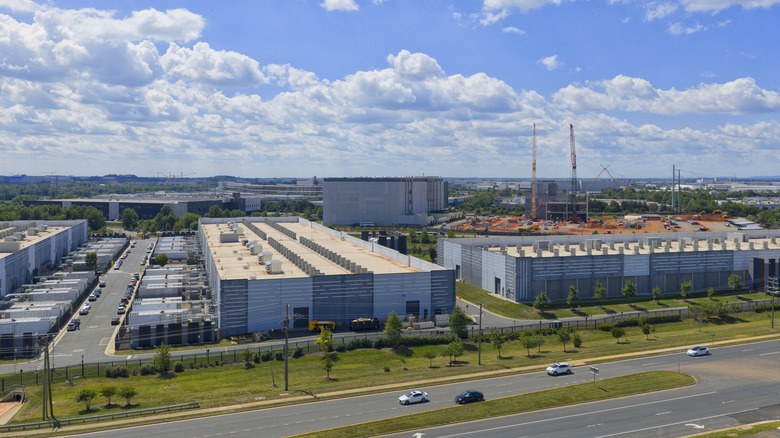
The AI boom currently underpinning the United States economy has led to a rapid expansion of data centers. These facilities are necessary for processing AI calculations, especially for cloud services, but they also have downsides. Data centers, especially those built for AI, are enormous. The big data centers can take up millions of square feet to house racks of interconnected supercomputers. That means they draw a lot of power and create a lot of noise. As it turns out, a large and growing number of people would prefer not to live alongside gargantuan buildings spewing smoke into the sky, driving away wildlife with constant noise, and increasing their power bills in the process. Now, communities across the country are pushing back.
Not only is the backlash widespread, it is both bipartisan and effective. In communities from Arizona to Virginia, residents have banded together to slow or outright stop the construction of new AI data centers, stymying expansion plans from hyperscalers. The efforts to put the kibosh on new server farm construction have only just begun to draw journalistic scrutiny, but they have been well underway. It seems people across the country leapt to attention after waves of press highlighting the negative externalities of data centers for nearby residents, including one xAI data center in Memphis, Tennessee, powered by 33 methane gas turbines. Nicknamed "Colossus" by owner Elon Musk, the server farm has increased smog in the city by as much as 60%, according to the Tennessee Lookout. The city's racially diverse and economically disadvantaged residents had little say and even less recourse.
Eager to prevent a similar fate in their own respective locales, here's how concerned citizens across the U.S. are pushing back on AI data centers.
Residents buck AI hyperscaling projects in communities nationwide
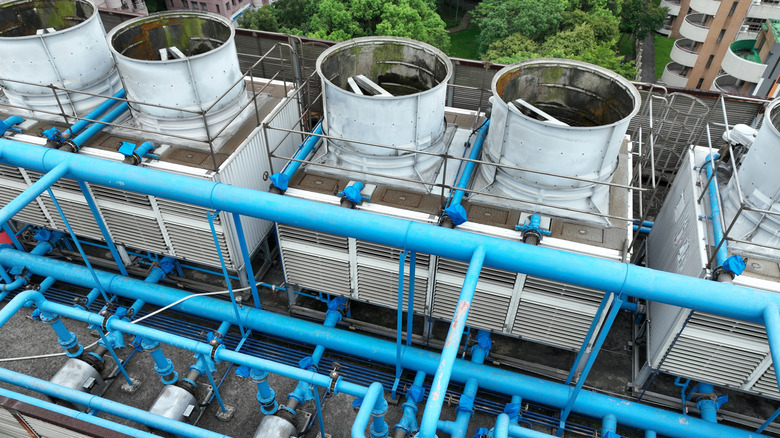
Despite the unprecedented levels of investment being directed toward AI hyperscaling — in other words, building more and bigger data centers than ever before — communities across America are pushing back. In some cases, they have managed to block entire construction projects.
In Chandler, Arizona, a proposed data center project was shot down in a unanimous mid-December city council vote after locals voiced fierce opposition, Fox Business reported. Former Senator Kyrsten Sinema, now president and CEO of the Arizona Business Roundtable lobbying organization, had been supporting the proposal. When the project was forwarded for council approval in October, the vote was almost entirely flipped, passing with a margin of 5-1.
Bipartisan resistance from residents in Franklin Township, Indiana, led Google to pull a proposed data center project in the same county, reported WFYI, and opposition is strong across the state. And in Lansing, Michigan, Planet Detroit reported on organized efforts to place a statewide moratorium on new AI data centers. Too, resistance has emerged in the Western mountain region, per CPR. All in, The Verge found that Americans have managed to halt or block "tens of billions of dollars worth of potential investment" into AI infrastructure. Data Center Watch, a research firm, found that opposition had grown 125% in the second quarter of 2025 alone, with 66% of tracked data center projects stalled or blocked.
These local pockets of pushback closely mirror similarly organized efforts to reject new AI surveillance cameras. Americans appear to be increasingly opposed to the whims of big tech after years of negative sentiment. People may love their iPhones, but have soured on social media and never got sweet on AI to begin with. The question, now, is, 'What have you done for me lately?'
Americans don't want to foot the bill for AI computing, so who will?
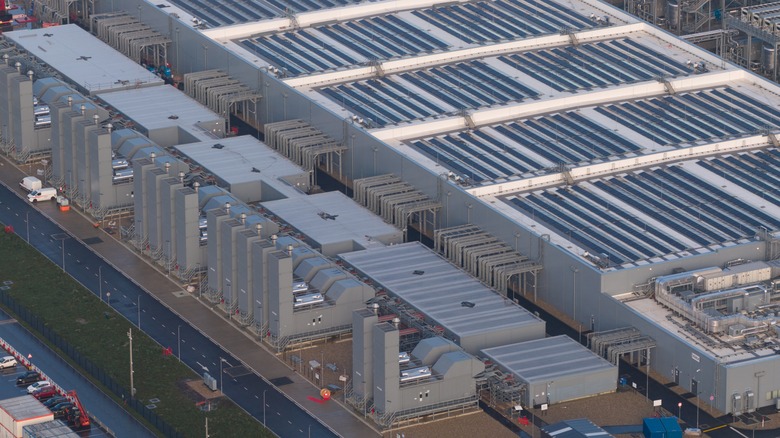
The speed and scale of localized opposition to AI hyperscaling have alarmed some in the AI industry, since the construction of these sites is central to the supercharged growth of AI companies in recent years. But word of their downsides has fomented rebellion faster than projects can be approved. If the response from major players spells anything out, it is that they, like others, seem to have identified rising electricity costs as a primary motivator of anti-data center sentiment. Microsoft, Amazon, and industry consortium The Data Center Coalition all highlighted commitments to paying for their own energy in responses to an Investor's Business Daily piece. Meanwhile, recent reporting has shown the opposite: even as some data centers sit empty, the data center boom is already inflating the power bill for people who live near massive computer farms. The threat of a slimmer wallet is a powerful coalition builder.
There is a global cost to local resistance, however. If hyperscalers cannot build in wealthy areas, they are likely to target poorer ones, as in the case of xAI's Memphis site. Likewise, if they cannot build in Imperial Core nations, they are likely instead to build in Peripheral nations, where opposition can be more easily pushed back with a firehose of capital investments. Costs Americans do not wish to bear — rising energy costs, pollution, and so on — will instead be borne by the periphery, echoing a longstanding historical pattern of exploitation. Powerful governments in core nations will need to rein in the scope and sustainability of AI development worldwide to prevent a game of global hot potato from dumping data centers on the most vulnerable communities in the U.S. and abroad.