

The Sun Surprised NASA By 'Waking Up' In 2008 & Has Been More Active Since
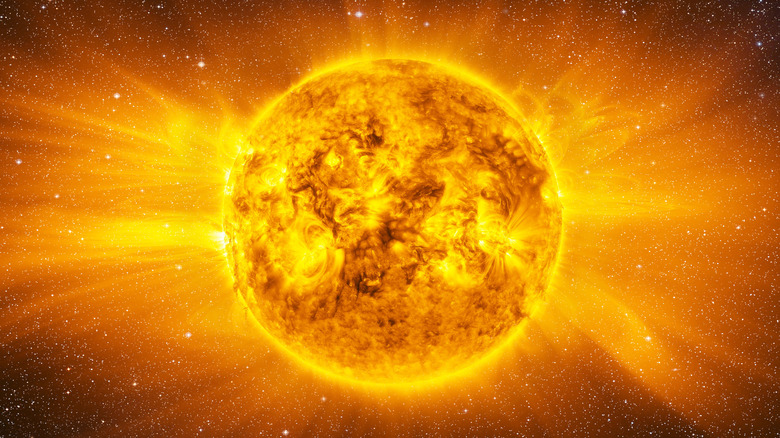
We all rely on the sun to supply our planet with light and warmth, but despite it being vital to our continued existence, there's a lot that scientists still don't know about it. A new study has surprised scientists at NASA by showing that the sun's activity has unexpectedly increased since 2008, despite researchers expecting it to remain at low levels. While this increased activity doesn't mean that we can expect the sun to imminently bombard us with radiation or to go out for a day or two like a typical disaster movie, the increased activity is likely to mean scientists might need to adjust their plans accordingly.
The study, which was published in The Astrophysical Journal Letters, notes that the sun goes through longer periods of increased and decreased activity as well as following a well-known 11-year cycle. These longer periods of lower activity have been observed by scientists in the 17th century and the 19th century and usually last for several decades at a time. Between 1990 and 2008, scientists tracking the sun's activity found that several key metrics continually declined, and some suggested that this could lead to another decades-long period of low activity.
However, the recently published study proves that the opposite has happened and that since 2008, the sun has actually been waking up. Scientists found gradual increases in the sun's magnetic field strength and solar wind intensity between 2008 and 2025, although they don't yet know if those activity levels will keep increasing in the future.
The effects of increased solar activity
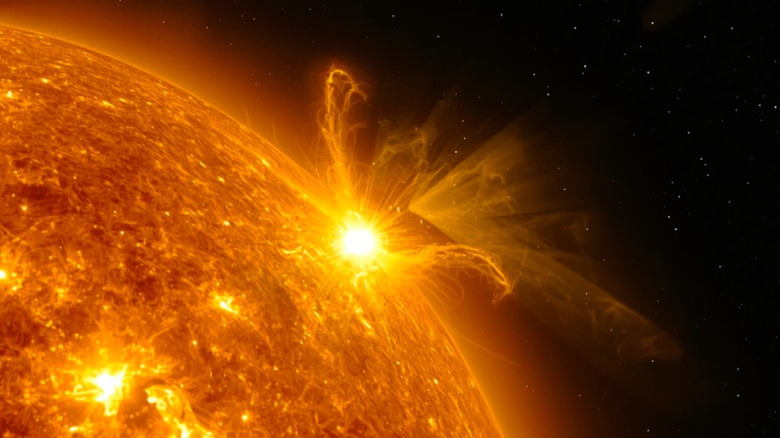
For now, scientists aren't sure exactly what causes these long-term changes in activity levels, but they can potentially have effects both on NASA's planned missions and even on our everyday technology. Higher levels of solar activity can result in an increased chance of flares or coronal mass ejections (CME), with the latter being particularly concerning. A CME is a cloud of gas that gets ejected from the sun and is hurled into space and often — but not always — occurs alongside solar flares. Earth's magnetic field repels most smaller CMEs that head our way, but if a large enough CME hits Earth, it could trigger a geomagnetic storm which could damage electrical infrastructure. Hypothetically, a big enough CME hitting Earth could end our current digital age in an absolute worst-case scenario.
Of course, such a world-altering event is extremely unlikely. However, smaller-scale eruptions from the sun could affect GPS satellites by damaging their internal systems or disrupting the signals they emit. Similarly, radio networks could also be affected, and some solar radiation bursts could potentially also pose a threat to the safety of any astronauts in space at the time. That's why scientists continue to keenly monitor the increasing activity levels, even if there's no major threat of the sun delivering us a fiery demise in the foreseeable future.